



الصفحة 17
الصفحة 17

Flavours and Fragrances : Chemistry, Bioprocessing and Sustainability
This book is an introduction to the fascinating world of aroma chemicals, essential oils, fragrances and flavour compositions for the food, cosmetics and pharmaceutical industry. The present state-of-the-art technology, the future use of resources and biotechnological approaches for the production of the respective chemical compounds are described. A large section is devoted to the description of the renewable resources of flavours: spice plants, fruits from moderate to tropical climates, vegetables, fermented and heated plants. Analytical methods, such as gas chromatography coupled to human or electronic noses or to a mass spectrometer, are outlined and consumer trends, legal and safety aspects are described. Novel renewable resources come from biotechnology.
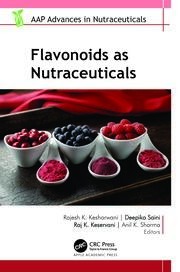
Flavonoids as nutraceuticals
Flavonoids are well-known plant metabolites that have extraordinary properties that can be used for treating health issues. The pharmaceutical importance of flavonoids is due to their anti-depressant, anti-viral, anti-inflammatory, and antioxidant capacities. They are also of great importance when it comes to neuroprotection, cardiovascular disorders, and many types of cancer. Flavonoids are also easily available and produce less harmful side effects than some conventional therapeutics. This new volume examines the growing use of flavonoids for prevention and treatment of diseases and discusses their beneficial mechanisms. Chapters in the volume address diverse uses as anti-aging tools, as anti-inflammatory agents, for treating pregnancy-induced disorders, as a promising tool to combat infection of Covid-19, etc. The book explores their specific therapeutic antiviral potentials, the gene expression by flavonoids, and the role of flavonoids in agriculture.

Fitzpatrick's therapeutics : A clinician's guide to dermatologic treatment
It is the gold-standard textbook in dermatology and is designed to be read by practicing clinicians, medical trainees, and skin scientists when they want a complete and extensive overview of any dermatologic topic. Although comprehensive, the patient management sections in Fitzpatrick’s Dermatology are not presented in a format that facilitates easy and quick access for busy practicing clinicians who want to review treatment options at the bedside. The idea for Fitzpatrick’s Therapeutics arose to fill this gap.

Fitofarmacovigilanza : Vigilanza sulla sicurezza dei prodotti fitoterapici = Phytopharmacovigilance: Monitoring the safety of phytotherapeutic products
The use of herbal medicines is now widespread in large sections of the population to solve both acute and chronic problems, both trivial and very serious, and for health purposes. We know that phytotherapics can be obtained without a prescription, and that they are found, as well as in pharmacies, also in herbal medicine and supermarkets as food supplements. It is therefore essential to monitor the safety of these products through phytopharmacovigilance, which requires in-depth knowledge about the nature of the phytotherapic, its chemical components and the way in which it was prepared and used. Doctors, pharmacists, herbalists, and consumers themselves will find in this manual useful information on adverse reactions (ADRs) from herbal medicines; the industries of the herbal sector, and above all the legislator and the bodies responsible for control, will find incentives to improve the safety of use of these natural drugs.

Filgrastim in clinical oncology : Guarding against neutropenia
Granulocyte colony-stimulating factor (G-CSF) has driven the attention of researchers as a therapeutic agent for curing patients suffering from neutropenia. Despite the successful use of G-CSF, it currently requires daily injections, which are inconvenient, expensive, and distressing for children. Therefore, an alternative strategy for using G-CSF for treatment is needed. Understanding the G-CSF structure, expression, mechanism of action, and how it induces neutrophils mobilization is crucial to producing promising cancer therapy. The ability of G-CSF to mobilize hematopoietic stem cells from the bone marrow into the blood circulation was consequently exploited and altered the practice of hematopoietic stem cell transplantation.

Fibrogenesis : Cellular and molecular basis
Fibrogenesis: Cellular and Molecular Basis is the first volume to provide a synopsis of the rapid progress that has been documented in fibrogenesis over last couple of years, which significantly enhanced our understanding of the pathomechanisms of fibrotic diseases. Knowledge on molecular and celluar basis of fibrotic diseases has provided opportunities to develop selective and effective gene-based therapeutic options.

Fenomeni Radioattivi : Dai nuclei alle stelle = Radioactive phenomena : From nuclei to stars
The topics covered constitute an introduction to radioactive phenomena in the strict sense with excursions, having as a starting point and guiding thread the decay b, in the field of elementary particle physics, in particular neutrinos, and astrophysics. Some topics are traditional (alpha decay, beta gamma), others concern frontier physics (so that the reader is offered particular itineraries from established physics to evolving physics).

Feldman and Pike's vitamin D; Vol. 2 : Health, disease and therapeutics
Covers the evidence for new roles of vitamin D, ranging from organ transplantation to cancer, diabetes, inflammatory bowel disease, multiple sclerosis, and renal disease. The coverage is appropriately broad, drawing on aspects of internal medicine, pediatrics, nutrition, orthopedics, oncology, neurology, obstetrics and gynecology, and immunology, as well as, new areas for vitamin D including sports medicine, opthalmology, veterinary medicine and ICU care – including COVID-19. Clinical researchers will gain a strong understanding of the molecular basis for a particular disease and better understand future directions for research in this still-growing field.

Feldman and Pike's vitamin D; Vol. 1 : Biochemistry, physiology and diagnostics
Presents a comprehensive review of the multi-faceted actions of vitamin D relating both to skeletal and extra-skeletal action. Researchers from all areas of vitamin D will gain insight into how clinical observations and practices can feed back into the research cycle and will, therefore, be able to develop more targeted genomic and proteomic insights into the mechanisms of disease.

Fecal Incontinence : Diagnosis and Treatment
Fecal incontinence is a frequent, distressing condition that has a devastating impact on patients’ lives. However, patients are typically embarrassed and reluctant to acknowledge this disability, so they relinquish the possibility of being cured and remain socially isolated. Since fecal incontinence may result from various pathophysiological situations, an accurate diagnostic work-up of each patient is fundamental. Today, a wide range of therapeutic options is available, but making the correct choice is pivotal to the successful management of this condition. This book is aimed at all physicians involved in the assessment and treatment of fecal incontinence. Its main purpose is to review the latest advances in the epidemiologic, socio-economic, psychologic, diagnostic, and therapeutic aspects of fecal incontinence, in order to establish guidelines for effective treatment.

Fatty acids
Fatty acid metabolism, including the de novo synthesis, uptake, oxidation, and derivation of fatty acids, plays several important roles at cellular and organ levels. Recent studies have identified characteristic changes in fatty acid metabolism in idiopathic pulmonary fibrosis (IPF) lungs, which implicates its dysregulation in the pathogenesis of this disorder. Here, we review the evidence for how fatty acid metabolism contributes to the development of pulmonary fibrosis, focusing on the profibrotic processes associated with specific types of lung cells, including epithelial cells, macrophages, and fibroblasts. We also summarize the potential therapeutics that target this metabolic pathway in treating IPF.

FASTtrack : Pharmaceutics - dosage form and design
Discusses an array of major dosage forms that are commonly encountered by pharmacists in professional practice. Essential information concerning the formulation of these dosage forms is delivered in a format that will aid your understanding and remove the complexities of the various topics.

Farmacognosia applicata : Controllo di qualità delle droghe vegetali
Il processo di identificazione è per una droga vegetale di enorme importanza ai fini dell'efficacia e sicurezza della stessa. Infatti la risposta terapeutica e gli effetti indesiderati sono fortemente condizionati dall'identificazione della droga e dalla presenza di contaminanti botanici. Il testo si compone di due parti; la prima sintetizza gli aspetti diagnostici che indirizzano verso il riconoscimento della droga vegetale, mentre la seconda descrive gli aspetti macro- e microscopici della droga ed i saggi chimici e farmacologici che consentono con certezza l’identificazione della stessa. Infine, l’ultima parte riporta alcuni esempi di cromatogrammi e di tracciati di organi isolati.

Extra-coronal restorations : Concepts and clinical application
A clinical guide to contemporary materials and techniques for the restoration of individual teeth and implants. It fully reflects the important developments in the field over the past 15 years, including in particular the shift away from wholesale use of crowns towards adhesive dentistry and less invasive extra-coronal restorations. The book opens by considering the principles and evidence base relating to the longevity of restorations of teeth and implants. Importantly, it explains how to ensure "a healthy start" and manage future risks. Material choice and aesthetic issues are then discussed, before all aspects of the planning and provision of extra-coronal restorations are examined in depth. The coverage also includes the adaptation of crowns to existing partial dentures. In line with modern dental education, each chapter begins with clinically relevant learning objectives, and helpful clinical tips are highlighted.
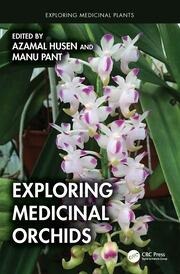
Exploring medicinal orchids
Orchids are fascinating ornamental flowers with a huge market both as cut flowers and potted plants, but they are also used in the traditional medicine system as they can be rich in phytochemicals with exceptional medicinal properties. This book, Exploring Medicinal Orchids, is a comprehensive guide for medicinally important orchids, their diversity, and their use in traditional and folk medicines. It presents information on secondary metabolites of medicinally active orchid species, pharmaceutical and medicinal applications, and describes advanced techniques of biotechnology in the conservation of medicinal orchids.

Experimental Aspects of Quantum Computing
Practical quantum computing still seems more than a decade away, and researchers have not even identified what the best physical implementation of a quantum bit will be. There is a real need in the scientific literature for a dialog on the topic of lessons learned and looming roadblocks. These papers, which appeared in the journal of "Quantum Information Processing" are dedicated to the experimental aspects of quantum computing These papers highlight the lessons learned over the last ten years, outline the challenges over the next ten years, and discuss the most promising physical implementations of quantum computing.

Expanding Horizons in Bioethics
What are the resources and needs, the strengths and the vulnerabilities of patients, of society, or of nature? How do we evaluate the societal potential of scientific discovery? It is fairly well assured that we are influencing the terms of existence of many inhabitants of this planet, from flora to fauna to humans. Moreover, history has shown that while technologies can be used neutrally, they can be (and have been) used to the great benefit – or the great detriment – of human life and the fate of the world as a whole. How various types of knowledge and technological ability will be deployed is up to us, individually and collectively. How such information and ability should be deployed, and for what reasons, are questions at the core of bioethical inquiry. These are the "expanding horizons in bioethics" to which this volume refers. This volume is comprised of fourteen essays. It is a rare gathering of scholarly opinion, featuring well-known experts from a diversity of disciplines. The topics addressed are of immediate concern to the public. The essays ask questions about human nature, genetic technologies, reproductive rights, human subjects research, and environmental issues – all in provocative and challenging new ways. Yet the themes that emerge throughout the volume are of enduring interest to anyone concerned about the interactions of scientific development, ethics, and society. This volume is of interest to students and teachers of bioethics and related topics, as well as to professionals working in these disciplines.

Exosomes based drug delivery strategies for brain disorders
Provides a comprehensive overview of the role of exosomes in brain diseases, including stroke, multiple sclerosis, Parkinson's disease, Alzheimer's disease, epilepsy, and depression. It covers the basics of exosome biogenesis, composition, and synthesis, as well as the therapeutic potential of exosomes in brain disorders. The correlation between exosomes and neuroinflammation, the challenges of using exosomes as a novel carrier, and engineered exosomes to deliver therapeutic protein are covered well in this book. Use of radiolabelled exosomes as a diagnostic tool and the toxicity studies of exosomes with potential overcome approaches. It is an essential resource for researchers, clinicians, and healthcare professionals working in the field of exosome research, especially on its applications in brain disorders.

Evaluation of the use of medicine plants in cancer treatment
Turmeric (Curcuma longa) and ginger (Zingiber officinale) have been widely studied for their potential anticancer effects, primarily due to the bioactive compounds curcumin and gingerol. Both compounds exhibit significant therapeutic properties, including anti-inflammatory, antioxidant, pro-apoptotic, and anti-angiogenic activities, which target key pathways implicated in cancer progression, such as NF-κB, STAT-3, and mTOR. Through these mechanisms, curcumin and gingerol inhibit tumor growth, reduce metastasis, and enhance the efficacy of conventional cancer treatments.

Eutrophication of Shallow Lakes with Special Reference to Lake Taihu, China
Eutrophication and algal blooms are worldwide environmental issues in lakes. The eutrophication process and formation mechanisms of algal blooms are particularly complicated in shallow lakes due to the strong lake–land, air–water and water–sediment interactions. This volume features papers presented at the International Symposium on the Eutrophication Process and Control in Large Shallow Lakes – with Special Reference to Lake Taihu, a Shallow Subtropical Chinese Lake, held in Nanjing, China, 22–26 April, 2005. The topics include: physical processes and their effects on shallow lake ecosystems; biogeochemistry of sediments and nutrient cycling in shallow lakes; algal blooms and ecosystem response in shallow lakes; eutrophication control and restoration in shallow lakes; and resource exploitation, environmental protection and sustainable management in shallow lakes.
