



الصفحة 13
الصفحة 13
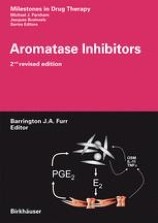
Aromatase Inhibitors
Many breast tumours are dependent upon oestrogen for their development and continued growth. Over the last 25 years hormone therapy has progressed from the irreversible destruction of endocrine glands to the use of drugs that reversibly suppress oestrogen synthesis or action. The inhibition of oestrogen synthesis is most readily achieved by inhibiting the final step in the pathway of oestrogen biosynthesis, the reaction which transforms androgens into oestrogens by creating an aromatic ring in the steroid molecule (hence the enzyme's trivial name, aromatase). Whereas the first aromatase inhibitors to be used therapeutically could be shown to produce drug-induced inhibition of the enzyme and therapeutic benefits in patients with breast cancer, they were not particularly potent and lacked specificity. However, second-generation drugs were developed and most recently third-generation inhibitors have evolved which possess remarkable specificity and potency. Initial results from clinical trials suggest that these agents will become the cornerstones of future endocrine therapy.
Appropriate Dose Selection - How to Optimize Clinical Drug Development
Optimal dose individualization has become more important in improving clinical efficacy and safety, given the variability in drug response, e.g., due to concurrent illnesses or co-medications. Therefore, the role of optimal dose finding in early clinical drug development so as to maximize successful clinical use is emphasized. The continued use of biomarkers – based on the (known) pharmacology of the drug and/or biology of the underlying disease – along with exposure–response evaluation throughout all phases of drug development can quantitatively integrate clinical pharmacology knowledge, provide early proof of concept, and help in rational dose selection and rational drug product labeling for clinical use.
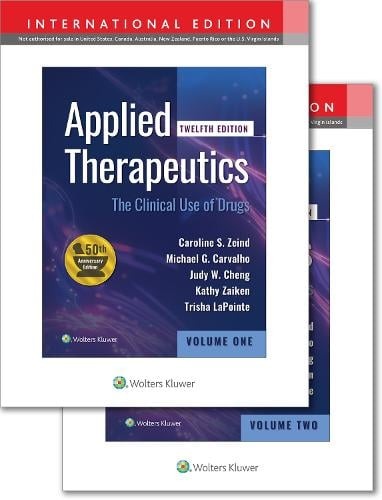
Applied therapeutics : The clinical use of drugs
"Continually revised and updated for 50 years, Applied Therapeutics: The Clinical Use of Drugs is the gold standard for patient centered drug therapeutics. With its acclaimed case-based approach, it promotes mastery and application of the fundamentals of drug therapeutics. Featuring contributions from more than 200 experienced clinicians, every chapter reflects our ever-changing knowledge of drugs and the application of this knowledge to the individualized therapy of patients. As students progress from the General Principles section to chapters on specific diseases, they will benefit from practical problem-solving techniques that help devise effective evidence-based drug treatment plans"

Applied Physical Pharmacy
Presents an introduction to physical pharmacy. This book begins with a review of key biopharmaceutics concepts of drug liberation, absorption, distribution, metabolism, and excretion
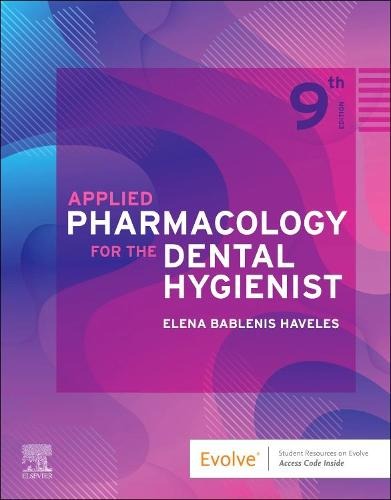
Applied pharmacology for the dental hygienist ; 9th ed.
Provides an in-depth understanding of the pharmacologic principles needed for safe and effective dental treatment and oral health care. It discusses drug properties and mechanisms of action, dosages, intended effects, interactions, and adverse reactions — both for the medications a patient may already be taking and for the drugs prescribed by the dentist.
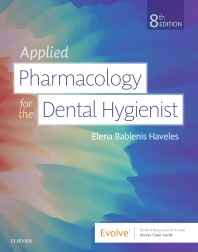
Applied pharmacology for the dental hygienist ; 8th ed.
Provides you with an in-depth understanding of the pharmacologic principles needed for safe and effective dental treatment and oral health care. It discusses drug properties and mechanisms of action, dosages, intended effects, interactions, and adverse reactions - both for the medications a patient may already be taking and for the drugs prescribed by the dentist. This new edition has been updated throughout to give you a firm foundation in pharmacology in order to assess and educate patients so they can maintain optimal oral health!
Anxiety disorders : A pocket guide for primary care
In Anxiety Disorders: A Pocket Guide for Primary Care, distinguished clinicians combine over a century of experience into concise, practical information and techniques for the diagnosis, evaluation, and effective management of psychiatric disorders.
Anxiety and Anxiolytic Drugs
The present volume gives a comprehensive overview on the current state of basic and clinical research on Anxiety and Anxiolytic Drugs. Using newly developed methods and techniques researchers are now beginning to understand the molecular mechanisms of anxiety, anxiety disorders and their treatment. In parallel, new drug targets have been generated and the first clinical studies with new compounds have been started. In 20 chapters written by numerous experts in the field comprehensive information on all relevant topics is provided.
Anti-viral metabolites from medicinal plants
Covers general concepts of anti-viral metabolites, classifications, ethnopharmacology, chemistry, clinical and preclinical studies focusing on different medicinal plants against various types of viral infections. Various plants have been used in medicine since ancient times and are known for their strong therapeutic effects. The book will describe potential antiviral properties of medicinal plants against a diverse group of viruses, and provide an insight to the potential plants possess for broad-spectrum antiviral effects against emerging viral infections.The book aims to target a broad audience including virologists, molecular biologist, microbiologist and scientists working with natural products as well as researchers, students, healthcare experts involved in pharmaceutical and medical field.
Antiviral drug discovery and development
Summarizes antiviral drug design and discovery approaches Provides the latest update in the field of antiviral therapeutics Includes antiviral research of coronaviruses

Antioxidants effects in health : The bright and the dark side ; 1st ed.
Examines the role that antioxidants play in a variety of health and disease situations. The book discusses antioxidants’ historical evolution, their oxidative stress, and contains a detailed approach of 1) endogenous antioxidants, including endogenous sources, mechanisms of action, beneficial and detrimental effects on health, in vitro evidence, animal studies and clinical studies; 2) synthetic antioxidants, including sources, chemistry, bioavailability, legal status, mechanisms of action, beneficial and detrimental effects on health, in vitro evidence, animal studies and clinical studies; and 3) natural antioxidants, including sources, chemistry, bioavailability, mechanisms of action, possible prooxidant activity; beneficial and detrimental effects on health, in vitro evidence, animal studies and clinical studies. Throughout the boo, the relationship of antioxidants with different beneficial and detrimental effects are examined, and the current controversies and future perspectives are addressed and explored. Antioxidants Effects in Health: The Bright and the Dark Side evaluates the current scientific evidence on antioxidant topics, focusing on endogenous antioxidants, naturally occurring antioxidants and synthetic antioxidants. It will be a helpful resource for pharmaceutical scientists, health professionals, those studying natural chemistry, phytochemistry, pharmacognosy, natural product synthesis, and experts in formulation of herbal and natural pharmaceuticals.
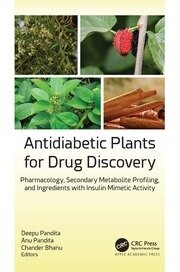
Antidiabetic plants for drug discovery pharmacology, secondary metabolite profiling, and ingredients with insulin mimetic activity
Takes an in-depth look at the potential pharmacological applications of 11 important antidiabetic plants, examining their antihyperglycemic, hypoglycemic, and anti-lipidemic properties along with current genome editing research perspectives. Plant natural products, or phytoconstituents, are promising candidates for antidiabetic pharmacological actions. The phytoconstituents, such as fl avonoids, terpenoids, saponins, carotenoids, alkaloids and glycosides, play vital roles in the current and future potent antidiabetic drug development programs. Each chapter reviews a particular plant with antidiabetic properties, explaining the therapeutic aspects, its active antidiabetic compounds, and relevant genome editing technology.

Anticoagulants
Anticoagulant are drugs that, when added to blood, prevents it from clotting. It does this by suppressing the synthesis or function of various clotting factors that are normally present in the blood. These drugs are frequently used to prevent the formation of blood clots (thrombi) in the veins or arteries or the enlargement of a clot that is circulating in the bloodstream. Anticoagulants are very effective in preventing life-threatening conditions...
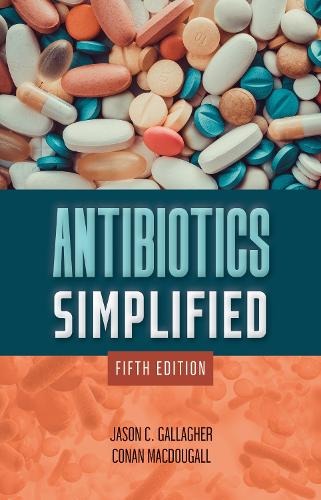
Antibiotics Simplified
Designed to bridge knowledge gained in basic sciences courses with clinical practice in infectious diseases. This practical text reviews basic microbiology and how to approach the pharmacotherapy of a patient with a presumed infection. It also contains concise Drug Class Reviews with an explanation of the characteristics of various classes of antibacterial drugs and antifungal drugs.
Antibiotic pharmacokinetic : Pharmacodynamic considerations in the critically Ill
Provides unique insights into the issues that drive modified dosing regimens for antibiotics in the critically ill. Leading international authors provide their commentary alongside a summary of existing evidence on how to effectively dose antibiotics. Severe infection frequently necessitates admission to the intensive care unit (ICU). Equally, nosocomial sepsis often complicates the clinical course in ICU. Early, appropriate application of antibiotic therapy remains a cornerstone of effective management. However, this is challenging in the critical care environment, given the significant changes in patient physiology and organ function frequently encountered. Being cognisant of these factors, prescribers need to consider modified dosing regimens, not only to ensure adequate drug exposure, and therefore the greatest chance of clinical cure, but also to avoid encouraging drug resistance.

Ansel's pharmaceutical dosage forms
Reflects the CAPE, APhA, and NAPLEX® competencies, and covers physical pharmacy, pharmacy practice, pharmaceutics, compounding, and dosage forms and the clinical application of the various dosing forms in patient care.
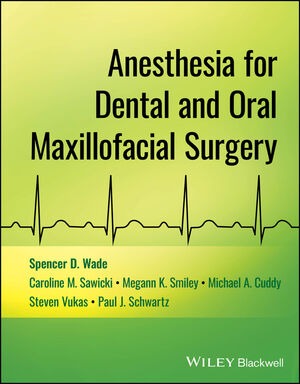
Anesthesia for dental and oral maxillofacial surgery
Offers a comprehensive yet practical approach to anesthesiology for dentist anesthesiologists, oral and maxillofacial surgeons, and anesthesia providers in a dental environment. Taking a concise bulleted approach for fast access to information, the book covers all topics relevant to providing perioperative anesthetic management for the head and neck region. Coverage ranges from equipment, anatomy, physiology, and pharmacology to anesthetizing patients with specific conditions and for specific procedures.
Anesthesia Considerations for the Oral and Maxillofacial Surgeon
Strengthens the margin of safety of office-based anesthesia administration by helping practitioners determine whether the patients they treat are good candidates for office-based anesthesia. This book is organized into three sections. The first section provides a review of the principles of anesthesia, including the pharmacology of anesthetic agents, local anesthesia, patient monitoring, preoperative evaluation, the airway, and management of emergencies and complications. The major organ systems of the body are reviewed in section two, and the most common comorbid conditions that affect these systems are described in terms of their pathophysiology, diagnosis, management, and anesthesia-related considerations. Section three reviews patient groups that warrant special consideration in the administration of office-based anesthesia, such as geriatric, pediatric, pregnant, and obese patients. Spiral-bound and featuring tabs for quick and easy reference, this important book belongs on the shelf of every clinician who provides anesthesia in the office setting.
Anestetici locali in analgesia ostetrica : Il modello MLAC : dalla teoria alla pratica clinica = Local anesthetics in obstetric analgesia : The MLAC model : from theory to clinical practice
This monograph contains a detailed description of the MLAC method and its applications and an extensive and updated review of the most significant studies on the subject and their clinical implications. Studies that use the up-down sequential allocation method have made a significant contribution to clarifying numerous questions that the anesthetist asks himself every day in the delivery room and today rightly flank traditional studies representing, together with them, the primary source of updating and knowledge that are indispensable for good clinical practice based not only on experience but also on evidence and scientific rationale.
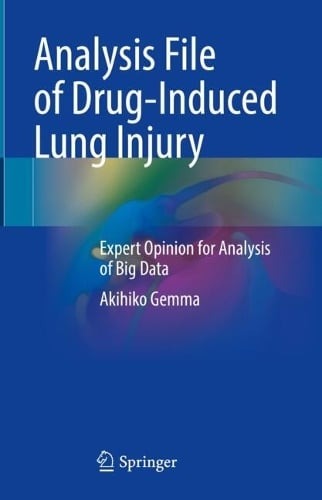
Analysis file of drug-induced lung injury : expert opinion for analysis of big data
Describes the pathologic conditions of drug-induced lung injuries, monitoring strategies, and guides on how to interpret the evidence. It also dives into particular drugs that caused the disorder, such as EGFR inhibitors, anti-EGFR antibodies, mTOR inhibitors, proteasome inhibitors, immune checkpoint inhibitors, neoangiogenesis inhibitors, and other molecular targeted drugs. It outlines the analysis and interpretation of the post-marketing survey on surveillance of each drug for inducing pulmonary lesions presenting diffuse haziness. The data and analysis from this survey are valuable since a guideline is yet to be established due to limited clinical evidence and cases. As new drugs are developed, establishing treatment and event management is crucial.
