



الصفحة 13
الصفحة 13

Monitoring and Modelling Lakes and Coastal Environments
Habitat environments of lakes and coastal wetlands are deteriorating due to their exploitative use and improper management. As rapid development and population growth continue in coastal areas, environmental degradation and over exploitation will further erode the biodiversity and undermine the productivity of these unique ecosystems. An earnest attempt has been made in the present book to find ways for restoration, conservation and management of lakes and coastal wetlands.
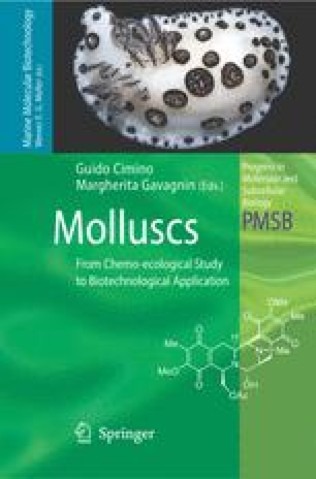
Molluscs : From Chemo-ecological Study to Biotechnological Application
Marine molluscs are very promising candidates for a wide range of biotechnological applications. For example, they possess analgesic drugs more potent than morphine and very effective anticancer agents. The present book gives an up-to-date overview of the main classes of bioactive compounds from molluscs, moving from ecological observations, to chemical characterization, to biosynthesis, to large-scale synthesis, and to pharmacological applications. A truly outstanding international panel of experts from all continents provides complete coverage of the most stimulating topics related to molluscs. This knowledge of their history and current studies provides an open door to the future.

Molecular Technology ; Vol.2 : Life Innovation
Interdisciplinary and application-oriented, this ready reference focuses on methods and processes with a high practical aspect, covering new trends in drug delivery, in-vivo analysis, structure formation and much more.

Molecular Targeting in Oncology
In Molecular Targeting in Oncology, authors present an overview of the development of targeted therapies for the treatment of cancer with an emphasis on clinical application. The volume covers the complexity of the rapidly developing area of targeted therapies for the treatment of patients with cancer and is structured in a way so readers may begin with chapters that most interest them and work through the rest of the chapters in the order of their choice. The volume is divided into five sections that cover the most important elements of drug development. The first section focuses on approaches using targeted therapies to inhibit cell growth. The second section describes how clinicians are evaluating targeted therapies in specific organ systems. The third section illustrates how various classes of pharmacologic and immunologic agents are developed for individual molecular targets. The fourth section details new drugs that have novel mechanisms of action. The final section looks to the future of targeted therapeutics and includes chapters on appropriate patient selection, use of combination therapy, dealing with tumor cell resistance, and more. Comprehensive and cutting-edge, Molecular Targeting in Oncology is an essential reference for those working in the field.

Molecular Pharmacognosy
This book discusses the application of molecular biology in resource science and authentication of traditional Chinese medicine (TCM). It also reviews the latest developments in pharmacognosy, introduces new perspectives and insights, discusses the hotspots and focuses in the field of molecular pharmacognosy, and predicts new directions of study. In the last five years, the technologies and scope of molecular pharmacognosy have constantly expanded and evolved. As such, this new edition includes extra content, such as the molecular phylogeography of medicinal plants, functional genome of medicinal plants, and synthetic biology of active compounds. Elucidating the concept, theory, and methodology of molecular pharmacognosy, it promotes the full use of the newly developed technologies and methodologies within the framework of molecular pharmacognosy to solve problems in the field.

Molecular Paradigms of Infectious Disease : A Bacterial Perspective
This comprehensive volume, written by leading authors in the field, provides a fundamental understanding of the complex cellular and molecular processes that are important for bacterial virulence and the infectious disease process. Written in a clear and engaging manner, the book highlights key techniques and methodologies that have driven recent discoveries in bacterial pathogenesis, major structures and mechanisms in bacteria that are important for the pathogenesis of these organisms, the regulation of these virulence determinants by global regulators, and bacterial biowarfare agents. Molecular Paradigms of Infectious Disease: A Bacterial Perspective is an ideal book for students, microbiologists, immunologists and scientists and researchers of bacterial pathogenesis.

Molecular Mechanisms of Basal Cell and Squamous Cell Carcinomas
apid progress in the understanding of carcinogenesis and pathology of epitheUal skin cancer has led to new strategies for the prevention Rand treatment of these malignancies. The goal of this volume is to comprehensively cover in a highly readable overview our present knowledge of pathogenetic mechanisms and molecular biology of Basal Cell and Squamous Cell Carcinomas. Topics that are discussed in-depth by leading researchers and clinicians range from the newest findings in epidemiology, histology, photobiology, immunology, cytogenetics, and molecular pathol ogy to new concepts for prophylaxis and treatment. Experts in the field as well as health care professionals not intimately involved in these specialized areas are provided with the most significant and timely information related to these topics. It is the aim of this book to summarize essential up-to-date information for clinicians and scientists interested in the biology of Basal Cell and Squamous Cell Carcinomas. The chapters are written by authors who are experts in their respective research areas, and I am gratefixl for their willingness to contribute to this book.

Molecular Mechanism of Congenital Heart Disease and Pulmonary Hypertension
This book focuses on the molecular mechanism of congenital heart disease and pulmonary hypertension, offering new insights into the development of pulmonary circulation and the ductus arteriosus. It describes in detail the molecular mechanisms involved in the development and morphogenesis of the heart, lungs and ductus arteriosus, covering a range of topics such as gene functions, growth factors, transcription factors and cellular interactions, as well as stem cell engineering technologies

Molecular Materials with Specific Interactions - Modeling and Design
One of the first requirements to initiate the molecular modeling of molecular materials is an accurate and realistic description of the electronic structure, intermolecular interactions and chemical reactions at microscopic and macroscopic scale. Therefore the first four chapters contain an extensive introduction into the latest theories of intermolecular interactions, functional density techniques, microscopic and mezoscopic modeling techniques as well as first-principle molecular dynamics.In the following chapters, techniques bridging microscopic and mezoscopic modeling scales are presented. The authors then illustrate various successful applications of molecular design of new materials, drugs, biocatalysts, etc. before presenting challenging topics in molecular materials design.

Molecular Marker Systems in Plant Breeding and Crop Improvement
Successful release of new and better crop varieties increasingly requires genomics and molecular biology. This volume presents basic information on plant molecular marker techniques from marker location up to gene cloning. The text includes a description of technical approaches in genome analysis such as comparison of marker systems, positional cloning, and array techniques in 19 crop plants. A special section focuses on converting this knowledge into general and specific breeding strategies, particularly in relation to biotic stress. Theory and practice of marker assisted selection for QTL, gene pyramiding and the future of MAS are summarized and discussed for maize, wheat, and soybean. Furthermore, approaches in silviculture on the examples of Fagus, Populus, Eucalyptus, Picea and Abies are presented. The volume ends with a comprehensive review of the patents relevant for using molecular markers and marker assisted selection.

Molecular Imaging II
The aim of this textbook of molecular imaging is to provide an up to date review of this rapidly growing field and to discuss basic methodological aspects necessary for the interpretation of experimental and clinical results. Emphasis is placed on the interplay of imaging technology and probe development, since the physical properties of the imaging approach need to be closely linked with the biologic application of the probe (i.e. nanoparticles and microbubbles). Various chemical strategies are discussed and related to the biologic applications. Reporter-gene imaging is beeing addressed not only in experimental protocols, but also first clinical applications are discussed. Finally, strategies of imaging to characterize apoptosis and angiogenesis are described and discussed in the context of possible clinical translation.

Molecular Imaging I
The aim of this textbook of molecular imaging is to provide an up to date review of this rapidly growing field and to discuss basic methodological aspects necessary for the interpretation of experimental and clinical results. Emphasis is placed on the interplay of imaging technology and probe development, since the physical properties of the imaging approach need to be closely linked with the biologic application of the probe (i.e. nanoparticles and microbubbles). Various chemical strategies are discussed and related to the biologic applications. Reporter-gene imaging is being addressed not only in experimental protocols, but also first clinical applications are discussed. Finally, strategies of imaging to characterize apoptosis and angiogenesis are described and discussed in the context of possible clinical translation.

Molecular Imaging ; An Essential Tool in Preclinical Research, Diagnostic Imaging, and Therapy
The continuous progress in the understanding of molecular processes of disease formation and progression attributes an increasing importance to biomedical molecular imaging methods. The purpose of this workshop was to discuss and overview multiple applications and emerging technologies in the area of diagnostic imaging including its fundamental capabilities in preclinical research, the opportunities for medical care, and the options involving therapeutic concepts. The book provides the reader with state-of-the-art information on the different aspects of diagnostic imaging, illuminating new developments in molecular biology, imaging agents and molecular probe design, and therapeutic techniques.

Molecular genetics, structures, mechanisms, and functions : Principles of gene manipulation and genomics ; Vol.1
Provides an overview of the future of genetic engineering and delves into the role of biotechnology and its applications in genetic engineering. It discusses the tools of recombinant technology, which have brought about revolution in our understanding of various complex biological phenomena. Chapters cover mutagenesis, construction, and sequencing of DNA libraries along with applications of genetic engineering for improving health, preventing genetic diseases, enhancing food resources, managing environmental bioremediation, and more. Topics include genetic engineering tools for restriction enzymes and vectors, gene and cell division, mutation detection and screening in plants, population genetics, sexuality in bacteria, and more. Several chapters focus on the tools of recombinant technology, such as restriction enzymes, vectors, etc., that have paved the way for creating organisms of choice and opened new horizons in the field of medicine, agriculture, and industry for human welfare.

Molecular Electronics Materials, Devices and Applications
another goal of Molecular Electronics Materials, Devices and Applications is also to promote a practical approach. As a starting point for future developments, a pragmatic methodology for VHDL-AMS device modelling and circuit design based on experimental data is then proposed. It includes an original fault tolerant memory architecture based on molecular electronics.

Molecular Diagnostic PCR Handbook
PREFACE The Joint FAO/IAEA Division of Nuclear Techniques in Food and Agriculture is involved in agricultural research and development and assists Member States of FAO and IAEA in improving strategies to ensure food security through the use of nuclear techniques and related biotechnologies, where such techniques have a valuable and often unique role. In particular, molecular diagnostic methods have rapidly evolved in the past twenty years, since the advent of the Polymerase Chain Reaction (PCR). They are used in a wide range of agricultural areas such as, improving soil and water management; producing better crop varieties; diagnosing plant and animal diseases; controlling insect pests and improving food quality and safety. The uses of nucleic acid-directed methods have increased significantly in the past five years and have made important contributions to disease control country programmes for improving national and international trade. These developments include the more routine use of PCR as a diagnostic tool in veterinary diagnostic laboratories. However, there are many problems associated with the transfer and particularly, the application of this technology. These include lack of consideration of: the establishment of quality-assured procedures, the required set-up of the laboratory and the proper training of staff. This can lead to a situation where results are not assured. This book gives a comprehensive account of the practical aspects of PCR and strong consideration is given to ensure its optimal use in a laboratory environment. This includes the setting-up of a PCR laboratory; Good Laboratory Practice and standardised of PCR protocols.

Molecular Building Blocks for Nanotechnology : From Diamondoids to Nanoscale Materials and Applications
This book contains a variety of subjects covering computational, dry and wet nanotechnology. The state-of-the-art subject matters presented here provide the reader with the latest developments on ongoing nanoscience and nanotechnology research from the bottom-up approach.

Molecular Biomethods Handbook
Recent advances in the biosciences have led to a range of powerful new technologies, particularly nucleic acid, protein and cell-based methodologies. The most recent insights have come to affect how scientists investigate and define cellular processes at the molecular level. Molecular Biomethods Handbook, 2nd Edition expands upon the techniques included in the first edition, providing theory, outlines of practical procedures, and applications for a range of techniques. Part A of the book describes nucleic acid methods, such as gene expression profiling, microarray analysis and quantitative PCR. In Part B, protein and cell-based methods are outlined, in subjects ranging from protein engineering to high throughput screening. Written by a well-established panel of research scientists, Molecular Biomethods Handbook, 2nd Edition provides an up-to-date collection of methods used regularly in the authors’ own research programs.

Molecular Basis of Thyroid Cancer
Molecular Basis of thyroid Cancer brings together top-flight experts from across the globe to consider present state of the art treatment and techniques and what the future holds. The product of this effort is invaluable to endocrinologists, particularly those with an interest in the thyroid, molecular oncologists, nuclear medicine physicians and those in biotechnology intent on devising innovative therapies for cancer. "Significant advances in our understanding of thyroid cancer have occurred over the previous decade. This text discusses the molecular alterations and pathologic manifestations seen in this disease. Distinguished investigators address both the basic biology and clinical issues pertinent to our understanding and management of patients with thyroid cancer."

Modulation of host gene expression and innate immunity by viruses
This book is reference on a relatively young area of research in which virology, cellular biology and molecular pathogenesis govern the principles of coinvestigation. Infection of a naïve (non-immune) host with a virus elicits an immediate response which results in a cascade of changes in the host, including an interferon response (innate immunity). The outcome of this interaction is influenced by the genes of the virus as well as the genes of the host. Interestingly, different viruses do it in different ways. Not only is there a plethora of mechanisms used by the invading organisms, but the host has also evolved a great variety of redundant and robust countermeasures. This interplay of host and virus represents one of the most significant frontiers in biology today. A clearer understanding of the mechanisms involved will arm us with better strategies to deal with viruses, including emerging pathogens and potential bioterrorism agents. This book is sure to benefit students, scientists, and physicians working in the areas of virology, immunology, microbiology, and infectious diseases.
