



الصفحة 12
الصفحة 12

Metals in Society and in the Environment : A Critical Review of Current Knowledge on Fluxes, Speciation, Bioavailability and Risk for Adverse Effects of Copper, Chromium, Nickel and Zinc
In 2002, the Swedish Metal Information Task Force (MITF) engaged the Environmental Research Group (MFG) to update previous monographs on copper, zinc and major alloying metals (such as chromium, nickel and molybdenum) in society and in the environment. This book presents new results on metal fluxes from society to the environment, on metal speciation in water, soil and sediment, and its interpretation in terms of mobility, biological uptake and toxicity. The scientific fundamentals of new approaches, like the Acid Volatile Sulphide (AVS) concept to predict metal bioavailability in sediments, and the Biotic Ligand Model (BLM) to calculate the toxicity of metals to aquatic organisms, are critically evaluated, with a focus on copper, nickel, zinc, and, in part, chromium.

Metal-containing molecules and nanomaterials : from diagnosis to therapy
Since the discovery and successful deployment of salvarsan to treat syphilis, as well as cisplatin as a cancer drug, the field of metallodrugs has been flourishing. In addition to therapeutic applications, metals and metal-containing molecules have properties, such as an electrochemical or an optical signal, used to diagnose biologically relevant molecules or unravel cellular metabolism. Metals are part of the essential elements for life, and of increased attention in nutraceuticals. Most of the current diagnosis processes, therapeutics and nutraceuticals are based on organic molecules. MILS-26 reviews the most recent metal-containing molecules and nanomaterials for diagnosis and therapy

Metal-Catalysed Reactions of Hydrocarbons
This unique book, drawing on the author’s lifetime experience, critically evaluates the extensive literature on the field of Metal-Catalysed Reactions of Hydrocarbons. Emphasis is placed on reaction mechanisms involving hydrogenation, hydrogenolysis, skeletal and positional isomerisation, and exchange reactions. The motivation for fundamental research in heterogeneous catalysis is to identify the physicochemical characteristics of active centres for the reaction being studied, to learn how these may be modified or manipulated to improve the desired behavior of the catalyst, and to recognize and control those aspects of the catalyst's structure that limit its overall performance. By restricting the subject of the book to hydrocarbons, Bond has progressively developed the subject matter to include areas of importance both to researchers and to those working in the industry.
Metabolomics : The frontier of systems biology
Metabolism is the sum of the chemical reactions in cells that produce life-sustaining chemical energy and metabolites. In the post-genome era, metabolism has taken on new significance for biological scientists: metabolites are the chemical basis of phenotypes that are final expressions of genomic information. This book covers research on metabolomics, ranging from the development of specialized chemical analytical techniques to the construction of databases and methods for metabolic simulation. The authors have been directly involved in the development of all the subject areas, including capillary electrophoresis, liquid chromatography, mass spectrometry, metabolic databases, and metabolic simulation. Breakthrough achievements and the future of metabolome studies are described, making this book a valuable source for researchers in metabolomics in diverse fields, such as plant, animal, cellular, microbial, pharmaceutical, medical, and genetic sciences.
Metabolome Analyses : Strategies for Systems Biology
Metabolome Analyses is intended as a follow-up to Metabolic Profiling: Its Role in Biomarker Discovery and Gene Function Analysis (Kluwer, 2003). That text offered guidelines to currently available technology, bioinformatics and databases. Evidence was presented showing metabolic profiling as a valuable addition to genomics and proteomics strategies devoted to drug discovery and development. This book focuses on how metabolic profiling is being more comprehensively integrated with the other "omics" technologies. It provides more practical applications of such "panomics" or "Systems Biology" approaches. The expanding use of mass spectrometry as a measurement technology in metabolic profiling is addressed through demonstrated applications. The integration of metabolic profiling and proteomics is probably most developed for plant-based studies, which was not addressed in Volume 1. Other areas related to metabolic profiling continue to show significant development. These include database strategies and an increased acceptance by the pharmaceutical industry of metabolic profiling. Also covered is the use of in silico metabolic networks. Again the focus is primarily on the pharmaceutical industry but the importance of metabolic profiling to studies on human nutrition (a burgeoning area) is discussed.
Metabolism and Functions of Bioactive Ether Lipids in the Brain
This book will be particularly useful to neuroscience graduate students, academics, and researchers. Clinicians will find this book useful for understanding molecular aspects of neurodegeneration in acute neural trauma and neurodegenerative diseases that are mediated by plamalogen-selective phospholipases A2 and PAF acetyl hydrolases. This monograph is the first to provide a comprehensive description of not only metabolism and role of plasmalogen and platelet activating factor in brain tissue but also the involvement of these lipids with abnormal signal transduction processes in neurological disorders.
Mesoscale Analysis of Hydraulics
Presents a series of complicated hydraulic phenomena and related mechanism of high-speed flows in head-head dam. According to the basic hydraulic theory, detailed experiments and numerical simulations, microscopic scale analysis on cavitation bubbles, air bubbles, turbulent eddy vortices and sand grains are examined systemically. These investigations on microscopic fluid mechanics, including cavitation erosion, aeration protection, air–water flow, energy dissipation and river-bed scouring, allow a deep understanding of hydraulics in high-head dams. This book provides reference for designers and researchers in hydraulic engineering, environment engineering and fluid mechanics.
Memories : Molecules and Circuits
This volume surveys the recent advances and provides an integrative view of molecular, cellular, and systems level mechanisms underlying cognitive processes in both animals and humans. Current state of the art and future avenues are discussed by distinguished scientists who provide not only an overview of the underlying neurobiology of cognitive processes from a basic science standpoint, but who also focus on clinical and therapeutic aspects surrounding impairments associated with disorders that affect cognition.

Membrane Trafficking in Viral Replication
The ability of viruses to exploit cellular functions for their own ends makes them highly effective pathogens and exquisite experimental tools. Work with viruses underpins much of our current understanding of molecular cell biology and related fields. Each of the eight chapters in this volume deals with a specific aspect of viral interactions with cellular membranes. These include chapters on viral entry, viral membrane fusion, viral membrane protein synthesis and transport, viral replication, viral interactions with cytoskeletal systems and the nucleus, the trafficking of viral membrane proteins and viral perturbation of host cell protein trafficking. These chapters should provide both an overview of cellular membrane trafficking mechanisms and viral interactions with these systems, as well as reviews of the current state of each of the fields.
Membrane Computing ; Vol. 3850 ; 6th International Workshop, WMC 2005, Vienna, Austria, July 18-21, 2005, Revised Selected and Invited Papers
The papers in this volume cover all the main directions of research in membrane computing, ranging from theoretical topics in mathematics and computer science, to application issues, especially in biology. More specifically, these papers present research on topics such as: computational power and complexity classes, new types of P systems, relationships to Petri nets, quantum computing, and brane calculi, determinism vs. nondeterminism, hierarchies, the size of small families, algebraic approaches, and designing polynomial solutions to NP-complete problems through the use of membrane systems. Like the previous workshops,
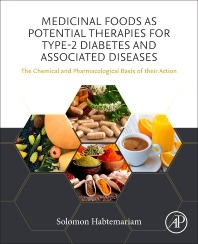
Medicinal foods as potential therapies for type-2 diabetes and associated diseases : The chemical and pharmacological basis of their action
Focuses on active pharmacological principles that modulate diabetes, associated risk factors, complications and the mechanism of action of widely used anti-diabetic herbal plants—rather than just the nutritional composition of certain foods. Provides up-to-date information on acclaimed antidiabetic super fruits, spices and other food ingredients. Sections cover diabetes and obesity at the global level, the physiological control of carbohydrate and lipid metabolism, the pathophysiology of type-2 diabetes, the chemistry and pharmacology of a variety of spices, and much more. This book will be invaluable for research scientists and students in the medical and pharmaceutical sciences, medicinal chemistry, herbal medicine, drug discovery/development, nutrition science, and for herbal practitioners and those from the nutraceutical and pharm industries.
Medicinal compounds in modern healthcare : From tradition to innovation
Reviews the evolution, development, and application of medicinal compounds, beginning with their historical context and advancing to modern innovations. The book describes the therapeutic potential of bioactive compounds from microorganisms, the role of antioxidants and anti-inflammatory agents in managing chronic diseases, and the use of small molecules in pain management and mental healthcare. It further explores immunomodulatory compounds, epigenetic modifiers, and the latest advancements in drug development, including integrative medicine approaches and the applications of nanotechnology in traditional medicine. Additionally, the book addresses the use of immunomodulatory agents like methotrexate and paclitaxel in cancer treatment, regulatory considerations for ensuring safety and efficacy in medicinal compounds, and the growing field of nutraceuticals. Towards the end, the book covers the extraction, profiling, and ADMET evaluation of medicinal compounds, intellectual property challenges, and the significance of traditional medicine in modern healthcare.
Medical Treatment of Intoxications and Decontamination of Chemical Agents in the Area of Terrorist Attack
This book includes reports which were presented at a NATO Advanced Research Workshop (ARW) entitled?Medical Treatment of Intoxications and Decontamination of Chemical Agent in the Area of Terrorist Attack?. The focus of this workshop was assessment of scientific concepts and practical means for management of chemical agent casualties in the area of terrorist attack with emphasis on improving the medical treatment and decontamination. These problems were analyzed from an interdisciplinary perspective. The primary objective of the ARW was to provide countries in which chemical-defense systems are currently under development with the experience and expertise of those that are more advanced and/or have already been exposed and responded to a chemical-terrorist attack. . The main areas covered were: 1. new approaches in pre-treatment and prophylaxis of nerve agent intoxication; 2. diagnosis of exposure to chemical agents ; 3. therapy of chemical agent intoxication; 4. development of personal decontamination; 5. decontamination of intoxication with chemical agents.
Medical Retina
Although the treatment of retinal diseases remains one of the most challenging fields in ophthalmology, the standard of knowledge has improved substantially over the past few years. The insight into basic mechanisms of disease has been expanded and novel diagnostic and therapeutic strategies have been developed, bridging the gap between laboratory and clinical science.

Medical Pharmacology and Therapeutics
Provides all the information medical and healthcare students need throughout their degree programme and beyond, including for professional qualifications such as the PSA. This all-round textbook covers basic pharmacology through to drug prescribing in clinical contexts, covering the pathogenic mechanisms of disease; drug actions, side effects, and the therapeutic principles of drug use. It takes a helpful systems-based approach that orders information according to body systems and disease areas, rather than by drug class. Now in its sixth edition, the book has been fully updated to include latest scientific understanding of drug action and administration and current best practice in prescribing medications, informed by the latest national guidelines.

Media resistance : Protest, dislike, abstention
his book is about those who dislike, protest, and try to abstain from media, both new and old. It explains why media resistance persists and answers two questions: What is at stake for resisters and how does media resistance inspire organized action? Yet, despite the interest in media scepticism and dislike, there seems to be no book on the market discussing media resistance as a phenomenon in its own right. This book explores resistance across media, historical periods and national borders, from early mass media to current digital media. Drawing on cases and examples from the US, Britain, Scandinavia and other countries, media resistance is discussed as a diverse phenomenon encompassing political, professional, networked and individual arguments and actions.

Mechanisms, Symbols, and Models Underlying Cognition ; 1st International Work-Conference on the Interplay Between Natural and Artificial Computation, IWINAC 2005, Las Palmas, Canary Islands, Spain, June 15-18, 2005, Proceedings, Part I
Constitute the refereed proceedings of the First International Work-Conference on the Interplay between Natural and Artificial Computation, IWINAC 2005. This two-volume set contains papers that are related with the conceptual developments in the fields of Neurophysiology and cognitive science, and also to bioinspired programming strategies.

Mechanisms of the Glaucomas : Disease Processes and Therapeutic Modalities
In this book leaders in the various fields of glaucoma review our current understanding of glaucoma from epidemiology and genetics through molecular, cellular and tissue responses to the mechanisms of the glaucomas and the mechanisms by which we manage them.

Mechanisms of Sepsis-Induced Organ Dysfunction and Recovery
There have been tremendous advances in understanding the cellular mechanisms involved in sepsis and contributing to the development of multiple organ dysfunction and mortality in this setting. The chapters in this book provide up-to-date insights into important pathways that are initiated by sepsis.

Mechanisms of mineralization of vertebrate skeletal and dental tissues
Presents a multi-disciplinary approach to understanding mechanisms regulating the formation of mineral in vertebrate skeletal and dental tissues. The focus of the book is directed toward the mineralization process, an evolutionarily conserved system in which cells synthesize a complex and unique extracellular matrix into which mineral is deposited. Regulatory control is viewed though lenses that emphasize the genetic, physical-chemical, biochemical, structural, cellular and extracellular aspects of the mineralization process as they relate to crystal nucleation, growth and maturation. Throughout the book, defects in regulation at the genetic and transcriptional levels are linked to the numerous clinical problems associated with the mineralization of bone, cartilage, tendon, tooth, and soft tissues.
