



الصفحة 12
الصفحة 12

Human Nucleotide Expansion Disorders
Human neurological and neuromuscular disorders caused by nucleotide expansion, first discovered in 1991, are the focus of growing interest of practicing physicians and of interested biomedical researchers. This volume represents a comprehensive and up-to-date description of many of the better-studied disorders. The expert authors discuss molecular, clinical and pathological aspects of the diseases as well as our current understanding of their underlying mechanisms. Of special interest are ideas and initial results of the different therapeutic strategies that can be employed to overcome some of the disorders. As a summary of the state-of-the-art research in this field, this book is of value to human geneticists, molecular biologists and biochemists as well as to practicing neurologists and pediatricians.

Human microbiome : Clinical implications and therapeutic interventions
The human microbiome refers to the complete microorganisms inhabiting the human body sites including skin, ear, nose, oral cavity, the genital, gastrointestinal and respiratory tracts, and body fluids such as breast milk, saliva, and urine. It is a significant and essential organ recognized for the body and has an established involvement in the host wellbeing, in terms of nutritional requirements and immunomodulation. Talks about how alteration and imbalance in the same can have clinical implications associated with a multitude of gastrointestinal, lifestyle-associated, and neurodegenerative disorders. How the proliferation of specific groups of bacteria and their metabolic activities, as a result of intestinal dysbiosis leads to the 'leaky gut' condition thereby influences brain activity via the bidirectional gut-brain axis. It also coves the importance of microbial seeding and how it can be influenced by the mode of delivery, nutrition, and medication. This book also provides various therapeutic interventions such as the establishment of stool banks and Faecal microbiota transplantation (FMT) that have recently proved promising in the treatment of ASD, Inflammatory Bowel Disease, and Ulcerative Colitis. This book provides a deeper understanding of the development of the human gut microbiome and the factors driving its dysbiosis. This book is a valuable read for health professionals, medical students, nutritionists, and scientific research communities who are eager to update themselves with recent trends in microbiome research. It will also aid gastroenterologists and nutritionists to make well-informed choices regarding therapeutic regimes.

Human fungal diseases : Diagnostics, pathogenesis, drug resistance and therapeutics
Reviews the latest advancements in the fungal infections and their impact on human health. It presents epidemiology, diagnosis, pathogenesis, risk factors, virulence mechanisms, treatment, and strategies for the disease management and prevention of fungal infections. The book further reviews host-pathogen interactions, biofilm formation, and quorum sensing. It also covers the clinical manifestations, diagnostic approaches, and management strategies of opportunistic fungal infections, emerging fungal infections, and allergic fungal infections. It presents the latest advancements in diagnostic methods and therapeutic strategies, covering both conventional techniques and state-of-the-art approaches. Further, the book elucidates antifungal stewardship, nanotechnology, and omics technologies, providing insights into cutting-edge strategies for prevention, control, and management of multidrug-resistant fungi. This book is useful for researchers, students, and health professionals working in the fields of mycology, infectious diseases, immunology, dermatology, and pulmonology.

Human Exploitation and Biodiversity Conservation
The sustainable use of biodiversity is one of the three key objectives of the 1992 "Convention on Biological Diversity". To achieve this, sound conservation practice has to be recognized as beneficial and implemented by all who access, or use it – from subsistence farmers to skiers and pharmaceutical bioprospectors. At the same time, indigenous peoples necessarily utilize enormous numbers of plants, fungi, and fish, particularly for foods and medicines. This book gathers together a wide range of contributions addressing diverse aspects of front-line human involvement in biodiversity exploitation and conservation. Its scope is broad, the organisms explored ranging from birds, invertebrates and mammals – both terrestrial and aquatic – to crops and medicinal plants. Meanwhile, the issues addressed include land use changes, the importance of gardens, hedges and green lanes, housing developments, hunting, invasive species, local community involvement, sacred groves, socioeconomic factors and trade.

Human antibody therapeutics for viral disease
The articles in this volume are definitive and comprehensive reviews written by experts who have sought to define the principles of viral neutralization by human antibodies. They explore and anticipate the obstacles and opportunities that will be encountered as the power of human antibodies is harnessed to address the vast, un-met need for effective anti-viral therapeutics.

Hugo and Russell's pharmaceutical microbiology
Microbiology is one of the essential pharmaceutical sciences upon which the study and practice of pharmacy is built. It has a bearing on all aspects of the manufacture of medicines and sterile products, from their design and development to their delivery as quality products. Few interventions are more central to modern medicine than the treatment of infection, where antibiosis, vaccination and hygienic practices have essential roles to play. The COVID-19 pandemic, the appearance of new pathogens and the rise of antibiotic resistance have demonstrated most completely the need for pharmaceutical practitioners, researchers and industrial scientists to be fully conversant with this field. The 9th edition of Hugo and Russell’s Pharmaceutical Microbiology has been updated to meet this need. Having long served as the sole comprehensive textbook covering this subject, it has now been adapted to a critical new period in the advancement of medical and pharmaceutical research and development. Its experienced editors have incorporated contributions from subject experts and created a text which will serve the next generation of pharmacy students, pharmaceutical industry scientists and researchers.

Hormones, metabolism and the benefits of exercise
The world is faced with an epidemic of metabolic diseases such as obesity and type 2 diabetes. This is due to changes in dietary habits and the decrease in physical activity. Exercise is usually part of the prescription, the first line of defense, to prevent or treat metabolic disorders. However, we are still learning how and why exercise provides metabolic benefits in human health. This open access volume focuses on the cellular and molecular pathways that link exercise, muscle biology, hormones and metabolism. This will include novel “myokines” that might act as new therapeutic agents in the future.

Honey and olive oil in diabetic foot therapy
At the beginning of the 21st Century diabetic foot is Observed, although eminently preventable, represent one of the commonest causes of hospital inpatient in Western countries. Diabetic foot is a pathological condition that might affect the feet in patients with diabetes. Foot ulcers are defined as lesions involving a skin break with loss of epithelium: they can extend into the dermis and deeper layers sometimes involving bone and muscle...

Honey : Nutraceutical and therapeutic significance
Contains comprehensive information on honey with regard to its cosmeceutical, nutritional, and pharmacological significance. And providing enormous knowledge about the nutraceutical and the role of different therapeutic strategies across the globe. Each chapter has the latest references and citations so that readers may get the latest knowledge in the field.

High-Grade Gliomas : Diagnosis and Treatment
This is truly an exciting time in the field of neuro-oncology, particularly in the area of hi- grade gliomas. The management of patients with high-grade gliomas has historically been one of the most challenging and disheartening fields in medicine, where failure is the rule and longevity is the exception. The jaded often state that despite purported advances in surgical and radiotherapeutic techniques and a myriad of clinical trials of medical therapies, the s- vival statistics for glioblastoma have not changed in the last three decades. The nihilism associated with these tumors is such that some practitioners still advise against treatment or even biopsy, recommending palliative care with the diagnosis based only on history and an MRI scan. If the current state-of-the-art in the diagnosis and management of high-grade gliomas was truly so bleak, there would be no reason to compile and publish a monograph on the subject. The fact is that we have recently entered an era where real progress is being made in our understanding and treatment of high-grade gliomas that is directly benefiting some patients. We are slowly but surely chipping away at this problem. One approach has exploited correlations between particular molecular markers and therapeutic response.

High dilution effects : Physical and biochemical basis
this volume provides evidence in support of effects from control clinical studies, and in vitro tests without any organisms (Chapter II). An overview of the methods for preparing drugs at ultra high dilution is also provided as well as the basic principles of homeopathy, (Chapter I). Chapter III provides physical basis of high dilutions as evidence from the NMR, IR, UV and fluorescence spectra of those drugs.Chapter IV focuses on the mechanism of action of potentized drugs in the living system, discussing the structure of the cell, the plasma membrane, the integral proteins on the membrane, the interaction between these proteins and high dilutions and the manifestations of the therapeutic effects of high dilutions.

High Density Lipoproteins : From Biological Understanding to Clinical Exploitation
In this Handbook of Experimental Pharmacology on “High Density Lipoproteins – from biological understanding to clinical exploitation” contributing authors (members of COST Action BM0904/HDLnet) summarize in more than 20 chapters our current knowledge on the structure, function, metabolism and regulation of HDL in health and several diseases as well as the status of past and ongoing attempts of therapeutic exploitation.

Heterologous protein production in CHO cells : Methods and protocols
Explores the use of Chinese hamster ovary (CHO) cells in the production of therapeutic protein products. Beyond updates on earlier methodologies, the book also delves into the genetic manipulation of CHO cells for recombinant protein production, analysis of CHO cells using proteomic and metabolomic approaches, as well as methods for the characterization of recombinant protein products, such as glycosylation and host cell protein analysis.

Heterocycles from Carbohydrate Precursors
This book is a volume in the series Topics in Heterocyclic Chemistry.Itc- ers the key methods used for designing synthetic approaches to heterocycles from carbohydrates and the value and scope of these methods. Carbohydrates are widely distributed in nature and constitute the largest part of renewable biomasses. Moreover, many carbohydrates and their derivatives are comm- cially available at relatively cheap prices. Consequently their utilization is highly encouraged and economically they are of great signifcance. Moreover, carbohydrates are highly functionalized compounds that can be readily deritized and/or cyclized to provide heterocyclic compounds. This book provides a modern account and an up-to-date description of the advancement in the synthesis of diverse heterocycles from carbohydrates. Carbohydrates can be considered as a source of chiral centers in addition to the variable modifcation thereof.

Hermeneutics and Hindu Thought : Toward a Fusion of Horizons
The emergence of Hinduism as a field of study in the Western academia coincides with the development of modern hermeneutics. Despite this coemergence, and the rich possibilities inherent in a dialectical encounter between the theories of modern and pre-modern hermeneutics and those of Hindu hermeneutical traditions, this potential has not been tapped within the boundaries of religious studies. This volume sets out to initiate such an interface.Some essays in this volume, such as those by Shrinivas Tilak, Sharada Sugirtharajah, and Purushottama Bilimoria examine the impact of Western hermeneutics on the Indian religious landscape.

Herbs for stress & anxiety : How to make and use herbal remedies to strengthen the nervous system
Treat stress, anxiety, depression, and more with simple herbal remedies that calm your mind, build a healthy nervous system, and promote lasting peace. In this informative guide, renowned herbalist Rosemary Gladstar profiles 21 herbs proven to be effective at soothing common ailments like insomnia, panic attacks, skin conditions, and migraines. With simple directions for making herbal mixtures that can be used in delicious teas, tinctures, and capsules, Gladstar shows you how to harness the power of nature to achieve a more relaxed and fulfilling life.

Herbs for common ailments : How to make and use herbal remedies for home health care
Shows you how to use 56 common herbs to address a wide range of everyday ailments, from burns, wounds, and itchy skin to headaches, congestion, indigestion, strains, bruises, sore throats, coughs, fevers, colic, cramps, and insomnia. She also shows you how to stock a simple first-aid kit with safe, effective herbal remedies.

Herbals of Asia : Prevalent diseases and their treatments
Excellent source of information by identifying hundreds of medicinal herbs and unfolding their medicinal uses for treatment of prevalent diseases Presents recent developments in research on medicinal plants for different diseases, formulation of products, and market strategy Research scholars in relevant field, health practitioners, herbalists and pharmaceutical industries will benefit from the text’s rich list of references as well as plant field photographs Demonstrates the global relevance of sharing local knowledge, and highlights the need to make information on plants available on a worldwide basis

Herbals as nutraceuticals : Their role in healthcare
Herbal nutraceuticals demonstrate a variety of therapeutic benefits and have been found to prevent, treat, and even cure a range of diseases. This new book provides insight into nutraceuticals and their function in human health, highlighting their antimicrobial and immune-inflammatory properties. It describes the nutraceutical properties of various medicinal herbs and details the role of nutraceuticals in treating diseases such as Alzheimer's, Parkinson's, obesity, diabetes, cancer, cardiovascular diseases, skincare issues, and more.
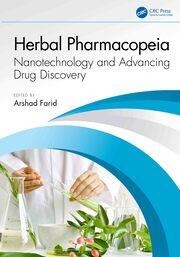
Herbal pharmacopeia : Nanotechnology and advancing drug
Explores the intersection between traditional herbal medicine and cutting-edge nanotechnology. The chapters introduce modern techniques used in herbal extraction and analysis. The principles of drug discovery from plants are discussed, with a focus on the identification and development of bioactive compounds that have therapeutic potential. It discusses the pharmacological properties, biotechnological approaches in drug development, and challenges in the formulation and standardization of herbal medicines. Emerging trends and applications of nanotechnology in herbal pharmacotherapy, such as nanoparticle synthesis, enhanced bioavailability using nanocarriers, safety assessments, novel and targeted delivery systems, and regulatory considerations, are thoroughly discussed. Additionally, it includes a comparative analysis of traditional and nano-formulated approaches and their implementation in clinical settings. Towards the end, the book reviews the regulatory considerations for herbal products and future perspectives in herbal pharmacopeia. This book is intended for researchers, clinicians, and professionals in herbal medicine, pharmacology, and nanotechnology.
