



الصفحة 111
الصفحة 111
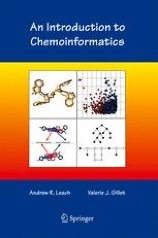
An Introduction To Chemoinformatics
This, the first text written specifically for this field, aims to provide an introduction to the major techniques of chemoinformatics. The first part of the book deals with the representation of 2D and 3D molecular structures, the calculation of molecular descriptors and the construction of mathematical models. The second part describes other important topics including molecular similarity and diversity, the analysis of large data sets, virtual screening, and library design. Simple illustrative examples are used throughout to illustrate key concepts, supplemented with case studies from the literature.
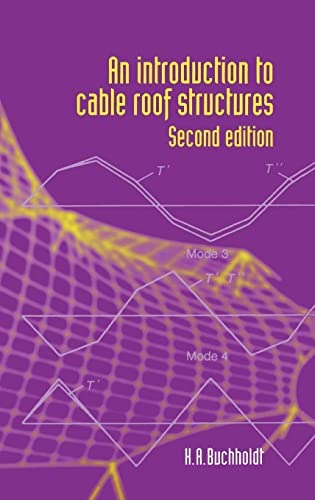
An introduction to cable roof structures ; 2nd ed.
Provides structural engineers with a concise introduction to the architectural, structural and technological aspects of cable roofs, and supplies sufficient information for engineers to carry out their own designs. The improved methods for generating wind and earthquake histories have been included as the trend in modern design codes seem increasingly to require that dynamic response of other forms of non-linear structures such as guyed masts is considered at the design stage.
An Interactive Multimedia Introduction to Signal Processing
A didactic concept is undertaken for microelectronics, computer technology and communication engineering, which deals with the visualization of signals and processes in addition to graphical programming of signal processing systems. Through the utilization of a professional and globally supported software for metrology and control engineering, DasyLab, useful applications can be developed, modified and optimized. Computer supported processing of real signals is made possible over the sound card and the parallel port. Over two hundred pre-programmed signal engineering systems and design transparencies are provided. Pictures also play a dominant rule in this book: there are numerous introduction-videos, one for every chapter, more than 250 high-quality pictures and - most important – all the "living" experiments and their results are visualized. With this learning system, readers can now make use of "equipment" and software, which was practically unaffordable for individuals in the past. What's more, here is a very new concept for learning Signal Processing, not only from the physically-based scientific fundamentals, but also from the didactic perspective, based on modern results of brain research.
An Integrated Approach to Software Engineering
An Integrated Approach to Software Engineering introduces software engineering to advanced-level undergraduate and graduate students of computer science. It emphasizes a case-study approach whereby a project is developed through the course of the book, illustrating the different activities of software development. The sequence of chapters is essentially the same as the sequence of activities performed during a typical software project. All activities, including quality assurance and control activities, are described in each chapter as integral activities for that phase of development. Similarly, the author carefully introduces appropriate metrics for controlling and assessing the software process. Chapters in this revised edition, updated for today’s standards, include these new features: Software Process, Requirements Analysis and Specification, Software Architecture, Project Planning, Object Oriented Design, Coding,Testing,

An Illustrated Guide to Furniture History
Provides upper-level students and instructors with an alternative visual analytical approach to learning about furniture history from Antiquity to Postmodernism. Following an immersive teaching model, it presents a Nine-Step Methodology to help students strengthen their visual literacy and quickly acquire subject area knowledge. Moving chronologically through key periods in furniture history and interior design, such as the Renaissance, the Arts and Crafts Movement, and Modernism, it traverses Europe to America to present a comprehensive foundational guide to the history of furniture design.

An effective strategy for safe design in engineering and construction
Achieves three primary goals: To improve the understanding and implementation of the Construction (Design and Management) Regulations 2015 To reduce errors during the design process via the effective implementation of design management strategy To embed the concept of safety in design
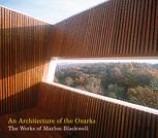
An architecture of the Ozarks
Marlon Blackwell is a passionate polemicist. He's also a very gifted architect. The projects in this first monograph on the "radical ruralist," as touted by the Royal Institute of British Architects, offer a new architectural language that at once celebrate the vernacular and transgress the boundaries of the conventional

Ambient Intelligence ; European Conference, AmI 2008, Nuremberg, Germany, November 19-22, 2008. Proceedings
This book constitutes the refereed proceedings of the Second European Conference on Ambient Intelligence, AmI 2008, held in Nuremberg, Germany, in November 2008.

Ambient intelligence : A novel paradigm
Ambient Intelligence (AmI) is an integrating technology for supporting a pervasive and transparent infrastructure for implementing smart environments. Such technology is used to enable environments for detecting events and behaviors of people and for responding in a contextually relevant fashion. AmI proposes a multi-disciplinary approach for enhancing human machine interaction. The authors start with a description of the iDorm as an example of a smart environment conforming to the AmI paradigm, and introduces computer vision as an important component of the system. Other computer vision examples describe visual monitoring for the elderly, classic and novel surveillance techniques using clusters of cameras installed in indoor and outdoor application domains, and the monitoring of public spaces. Face and speech recognition systems are also covered as well as enhanced LEGO blocks for novel educational purposes. The book closes with a provocative chapter on how a cybernetic system can be designed as the backbone of a human machine interaction.

Alvar Aalto Houses
Finnish architect and designer Alvar Aalto (1898-1976) designed nearly one hundred single-family houses. Aalto, who is also known for his furniture and glassware, worked in a unique style that blended modernism and traditional vernacular architecture. Authors Jari and Sirkkaliisa Jetsonen (Finnish Summer Houses) present twenty-six of Aalto's innovative residences—from small summer homes and postwar standardized housing to large housing complexes for industrial commissions—built between the 1920s to the 1960s.
Alvar Aalto and the future of architecture
Exposes dialogue between history, theory, design, construction, technology, and sensory experience by means of digital simulations that enhance the assessment and values of our material choices. It offers a critical look to the past to inspire the future. This new edition looks to Alvar Aalto as the primary protagonist for channeling discussions related to these topics. Architects like ALA, Shigeru Ban, 3XN, Peter Zumthor, and others also play the role of contemporary guides in this review. The work of Aalto and selected contemporary architects, along with computer modeling software, showcase the importance of comprehensive design.
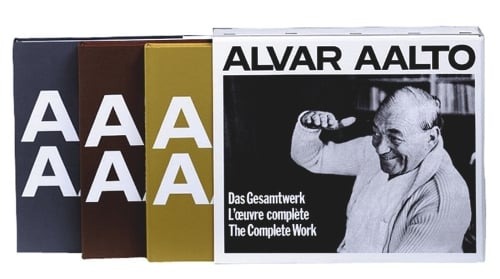
Alvar Aalto : Das Gesamtwerk = L'oeuvre complète = The Complete Work ; 3 Vol.s
Aalto's designs encompassed the fields of painting, architecture, sculpture, and furniture, and are some of the most beautiful and original of modern times. His combination of an interest in natural, organic shapes with the modernist mandates of form and light in its purest aspects makes him one of the acknowledged masters of modern architecture, along with Le Corbusier and Frank Lloyd Wright.

Aluna : Healing wellness retreat for cancer patients = ﻣﻨﺘﺠﻊ ﺻﺤﻲ ﻣﺘﻜﺎﻣﻞ ﻟﺮﻋﺎﻳﺔ ﻣﺮﺿﻰ السرطان
المشروع عبارة عن إنشاء منتجع صحي متكامل لمرضى السرطان، يجمع بين الراحة النفسية، العلاج الداعم، والهدوء الطبيعي. يُصمم ليكون مكاناً يساهم في تحسين جودة حياة المرضى أثناء فترات العلاج، من خلال بيئة متوازنة تجمع بين الجمال، الأمل والرعاية المتخصصة.

Al-Thawra Bridge
Al-Thawra Bridge is a Box girder beam bridge located in Syria - Damascus city, connecting "Al Thawra Street with Al Naser Street". The bridge carries two roadway traffic lanes (10.7) meter, and there is no exist of pedestrian or bicycle traffic lane on this bridge. At the time of it's opening, the bridge will have 5 main spans, first and last span were designed to be a simple beam of 20 meter.

Alshaer Hotel
The project is a hotel located in Swaida city consist of 5 mass. The total area of typical floors is 1400 m2 and it continuous for 12 floor.

Alqadam Train Station
Aims to focuses on the redesign of the Southern Train Station of Damascus, located in the Al-Qadam area. The proposal aims to preserve the historical identity of the existing station while expanding it to meet the needs of modern urban mobility. The design balances heritage conservation with contemporary architectural expression, creating a space that respects the cultural fabric of Damascus while addressing future growth.Key elements include increasing station capacity, integrating sustainable design strategies, and enhancing passenger flow. Renewable energy use, passive ventilation, and green spaces are central to reducing environmental impact and improving user comfort. يركّز مشروع التخرج هذا على إعادة تصميم المحطة الجنوبية للقطارات في دمشق، الواقعة في منطقة القديهدف المشروع إلى الحفاظ على الهوية التاريخية للمحطة القديمة مع تطويرها وتوسيعها لتلبية احتياجات النقل الحضري المعاصر. يجمع التصميم بين صون التراث والتعبير المعماري الحديث، ليخلق فضاءً يحترم النسيج الثقافي لدمشق ويستجيب في الوقت نفسه لمتطلبات النمو المستقبلي. تشمل العناصر الأساسية زيادة القدرة الاستيعابية للمحطة، ودمج استراتيجيات التصميم المستدام، وتحسين حركة المسافرين. كما يعتمد المشروع على استخدام الطاقة المتجددة، والتهوية الطبيعية، وإضافة المساحات الخضراء لتقليل الأثر البيئي وتعزيز راحة المستخدمين.

Alpine Industrial Landscapes : Towards a New Approach for Brownfield Redevelopment in Mountain Regions
This book presents a pioneering research on brownfield redevelopment in mountain regions, and specifically in the European Alps. The origins and causes, the actual conditions as well as the future challenges and potentials of mountain brownfields are investigated from an interdisciplinary yet landscape-centered perspective. Through the reasoned combination of research-by-design methods and case-study analysis, the book explores the infrastructural relevance of these sites for the specific mountain territory, while advancing an innovative structuralist-systemic approach for their physical and functional transformation. The book includes, among others, a first transnational geo-mapping of Alpine brownfields, whose impressive outcomes in terms of site numbers and distribution can only confirm the urgency of this research.

Al-Nabk Hospital for cardioloy & surgery
يقع المشروع في منطقة النبك شرق دمشق ويتألف من ثلاث كتل طابقية بينهم فواصل تمدد وهو مشفى خاص.
Alive : Advancements in Adaptive Architecture
Proposes to embrace the unknown and cultivate the architectural discipline towards an integrated and cross-disciplinary practice. It unravels compelling innovative and forward-thinking design narratives by leading international practitioners and researchers who investigate novel associations between architecture, nature and humanity for a future, alive architecture.

Aligner Techniques in Orthodontics
Filled with the theoretical and practical clinical information on the popular aligner techniques with a focus on Invisalign. Written by practicing orthodontists and noted experts on the topic, the book is designed to help practitioners develop their skills in using aligners in orthodontics. The authors describe in detail the clear and simple methods for treating patients using different aligner techniques, as well as material on treating any given malocclusion.
