


تحسين النتائح
ترتيب حسب
من
الى

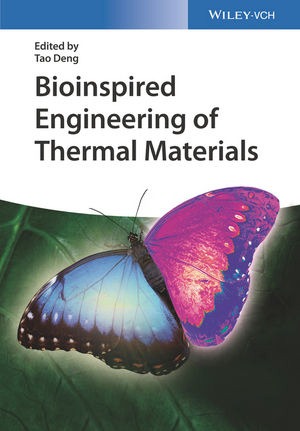
A comprehensive overview and summary of recent achievements and the latest trends in bioinspired thermal materials. Following an introduction to different thermal materials and their effective heat transfer to other materials, the text discusses heat detection materials that are inspired by biological systems, such as fire beetles and butterflies. There then follow descriptions of materials with thermal management functionality, including those for evaporation and condensation, heat transfer and thermal insulation materials, as modeled on snake skins, polar bears and fire-resistant trees.
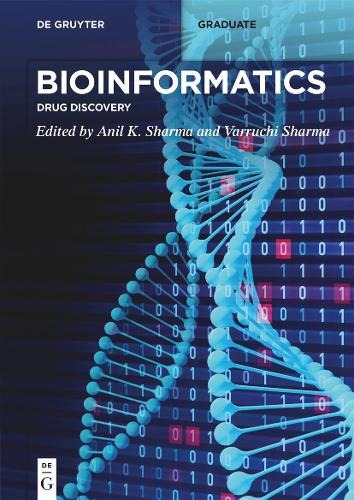
Quantitative tools are becoming increasingly important in order to understand complex cascade of signal transduction events, pathways or biochemical reactions. The book showcases how computational techniques and algorithms are applied to biological data analysis, interpretation, and modelling. It covers applications in drug design and discovery, immune systems, phylogenetic analysis and protein structures.
"Xuhua Xia’s Bioinformatics and the Cell is a welcome addition to the bourgeoning field of bioinformatics text books. Xia stakes out a too-often neglected middle ground in bioinformatics by presenting a work that emphasizes methods’ biological utility without eschewing algorithmic formalism. Readers will find a well-rounded presentation of bioinformatics techniques employed in genomics, transcriptomics and proteomics – unified throughout by the common theme of molecular evolution."
Collaborative research in bioinformatics and systems biology is a key element of modern biology and health research. This book highlights and provides access to many of the methods, environments, results and resources involved, including integral laboratory data generation and experimentation and clinical activities. Collaborative projects embody a research paradigm that connects many of the top scientists, institutions, their resources and research worldwide, resulting in first-class contributions to bioinformatics and systems biology. Central themes include describing processes and results in collaborative research projects using computational biology and providing a guide for researchers to access them. The book is also a practical guide on how science is managed. It shows how collaborative researchers are putting results together in a way accessible to the entire biomedical community.
This book provides students and researchers in the life sciences with essential practical information on how to quantitatively analyze data images. It refrains from focusing on theory, and instead uses practical examples and step-by step protocols to familiarize readers with the most commonly used image processing and analysis platforms such as ImageJ, MatLab and Python.
The book includes 22 chapters by 28 authors united by the single theme: biogeography and ecology of Bulgaria. From the single-celled organisms in the Black Sea sand to the endemic cave crustaceans, from the mountain glacial relict insects to the most diverse bird fauna in Europe, the unique fauna of Bulgaria has been a subject of study of mostly Bulgarian zoologists for more than a century. This is the first monograph in English broadly addressing all vertebrate and many key invertebrate groups of Bulgaria, their faunistics, origin, geographical and ecological distribution, and conservation issues are addressed by the experts on each group.

The present book addresses fundamental questions of biological energy transformation and conservation, with a focus on those processes which can now be understood on a structural basis.Current knowledge of selected examples of the biological energy conservation machinery such as cellular oxygen respiration, light-driven energy converters, and fermentation is reviewed. The machinery is highly variable, particularly that within microorganisms, but all of these devices universally rely on one unique underlying physico-chemical principle. The book is a rich source for specialists interested in recent developments in bioenergetics research and novices in the field alike.
Proceedings of the NATO Advanced Research Workshop on The Mechanisms of the Biological Effect on Extra High Power Pulses (EHPP), Yerevan, Armenia 3 - 5 March 2005
The book identifies Angola as one of the most biologically diverse countries in Africa, but notes that its fauna, flora, habitats and the processes that drive the dynamics of its ecosystems.
Covering interesting and significant biomedical ageing topics not included in the earlier volumes. Comprehensive and cutting-edge, this book is a valuable resource for experienced researchers and early career scientist alike, who are interested in learning more about the fascinating and challenging question of why and how our cells age.
In this edited book, we highlight the central players in the Bionanotechnology field, which are the nanostructures and biomolecules. The book starts by describing how nanostructures are synthesized and by describing the wide variety of nanostructures available for biological research and applications. Also shown are the techniques used to synthesize a wide variety of biological molecules. Next, there is a focus on the assembly of nanostructures with biological molecules, which could lead to the design of multi-functional nanosystems. In the following chapters, examples of the unique properties of nanostructures are provided along with the current applications of these nanostructures in biology and medicine. Some applications include the use of gold nanoparticles in diagnostic applications, quantum dots and silica nanoparticles for imaging, and liposomes for drug delivery. In the final chapters of the book, the toxicity of nanostructures are described. This book provides broad examples of current developments in Bionanotechnology research and would be an excellent introduction to the field.
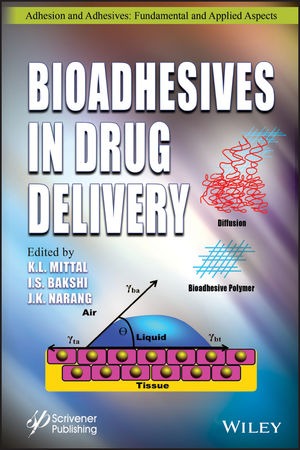
The topics covered include: Theories and mechanisms of bioadhesion; bioadhesive polymers for drug delivery applications; methods for characterization of bioadhesiveness of drug delivery systems; bioadhesive films and drug delivery applications; bioadhesive nanoparticles; and bioadhesive hydrogels and applications ocular biodhesive drug delivery systems; buccal bioadhesive drug delivery systems; gastrointestinal bioadhesive drug delivery systems ; nasal bioadhesive drug delivery systems; vaginal drug delivery systems; pulmonary bioadhesive drug delivery systems.
The book provides an overview on biliary lithiasis and all its clinical pictures, twenty years after the first laparoscopic cholecystectomy. The gallbladder, the main bile duct and intra-hepatic stones, in their uncomplicated and complicated forms are illustrated.

Including questions based on the latest National Institute for Health & Care Excellence (NICE), Joint British Diabetes Societies (JBDS) & Endocrine Society clinical practice guidelines. Includes 20 more questions on diabetes to reflect the increased weighing given to this subject in the SCE exam. New tables and algorithms have been added to provide specialty trainees useful information relevant to clinical practice
New three-dimensional endoanal and endorectal ultrasonographic and magnetic resonance imaging techniques have given better insight into the complex anatomy of the pelvic floor and its pathologic modification in benign anorectal diseases. Obstetrical events leading to fecal incontinence in females, the relationship between fistulous tracks and the sphincter complex, and mechanisms of obstructed defecation syndrome can now be accurately evaluated, which is of fundamental importance for decision making.
The molecular genetics of the cholinergic system including both muscarinic and nicotinic acetylcholine receptors, cholinesterases, acetylcholine synthesis and release have provided significant insights into potential targeting for pharmacological intervention. Cholinergic drugs are being used or evaluated for the treatment of diseases. Thus, this volume aims to broaden our understanding of the current state of cholinergic mechanisms to enable implementation of novel approaches for the development of more effective treatments.
Interest in beetle conservation has long been evident, with many papers treating these abundant, ecologically important and popular insects. However, this issue of Journal of Insect Conservation is the first to be dedicated entirely to beetles, and contains a number of papers, predominantly from outside western Europe, to demonstrate the variety and scope of problems and conservation concerns that surround these insects. A short introductory perspective is followed by eight original contributions, in which beetles from many parts of the world are considered, and in which some major threats to their wellbeing are evaluated.
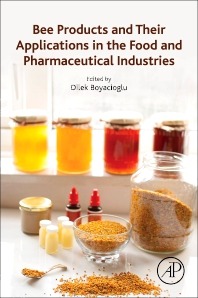
Focuses on the health benefits of selected bee products by looking more closely at their pharmacological potentials and therapeutic applications in coping with various diseases. The book explores some of these products, such as royal jelly, propolis and bee venom, which is highly attractive to the food supplement sector due to the biological actions that are proved by scientific studies. Bee products also attract the cosmetics industry by utilizing those products in various applications such as hair products, toothpaste, sunscreen creams, lip balsams, or facial moisturizing creams. Each chapter focuses on a particular health benefit, providing more compact and detailed information about each activity for a specific interest. The mainframe of the book is based on the medicinal and pharmacological functions of bee products, with the therapeutic applications for each bee product supporting the mechanism of action of their biological functions.
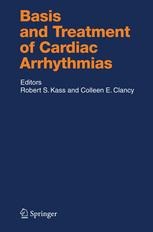
Incorporating the information related to mechanisms and treatment of cardiac arrhythmia, this book discusses genetics of arrhythmias, cell signalling molecules as potential therapeutic targets and trafficking to the membrane. These approaches and implementations of anti-arrhythmic therapy derive from many decades of research.

Covers : quantitative methods (proteins, nucleic acids, phospholipids and carbohydrates), electrophoresis (several polyacrylamide and agarose systems, 2D-PAGE, detection methods and affinity electrophoresis), chromatographic protocols (thin-layer chromatography, GPC, IEC, affinity chromatography, HPLC), immunochemical protocols (hapten-carrier and enzyme conjugation, immunization and antibody purification, immune affinity chromatography, ELISA), centrifugation (differential and density gradient centrifugation for cells and cellular fractions), radioactivity (labeling and counting), buffers (buffer properties and compositions).

سوريا - اتستراد درعا - غباغب
+963-15 2050 - 15 860 380 /1/2/3 - 11 662 3900