



الصفحة 1
الصفحة 1

Zebrafish : Methods and protocols
Introduces new tools, models, and analytic insights that position the zebrafish even more strongly as an engine of discovery for developmental and disease biology. Beginning with a section exploring detailed methods for use of zebrafish to model a variety of human diseases, the book continues by illuminating the key ongoing role of the fish model in studies of the vertebrate nervous system, tools and approaches using zebrafish to study stem cell and regenerative biology, as well as techniques in genetics and genomics. Written for the highly successful Methods in Molecular Biology series, chapters include introductions to their respective topics, lists of the necessary materials and reagents, step-by-step and readily reproducible laboratory protocols, as well as tips on troubleshooting and avoiding known pitfalls.

What does our nail tells us
A nail is a keratinized structure that protects the fingertip and the adjacent tissues from injuries. Abnormalities in the nail shape, attachment, surface and color can be occurred due to several conditions like dermatological disorders, systemic diseases, fungus, hereditary, drugs and malnutrition. Human nails may act as an indication and it is a very useful method for the treatment of various illnesses related to specific organ system such as renal system, pulmonary diseases, gastrointestinal disease, cardiovascular system, hematologic system, endocrine system, infectious disease, central nervous system, psychological disorders and autoimmune disorders.

Weißbuch Multiple Sklerose : Versorgungssituation in Deutschland = Multiple sclerosis white paper : Supply situation in Germany
Multiple sclerosis (MS) is the most common inflammatory degenerative disease of the central nervous system in young adults. To date, the disease cannot be cured. A number of new therapeutic options have emerged in recent years. The aim of this white paper is to present current knowledge about the disease MS and its care in Germany objectively and comprehensively. It contains Information on the clinical picture, on the epidemiology and on its health-economic relevance. Current developments and treatment recommendations are compared to the real use and the existing capacities of diagnostic and therapeutic options.

War related neuropsychological disease: Epilepsy
Among the consequences of war, the impact on the mental health of the civilian population is one of the most significant. Studies of the general population show a definite increase in the incidence and prevalence of mental disorders. Women are more affected than men. Other vulnerable groups are children, the elderly and the disabled. Prevalence rates are associated with the degree of trauma, and the availability of physical and emotional support. The use of cultural and religious coping strategies is frequent in developing countries. Epilepsy is a chronic non communicable disease of the brain that affects people of all ages. Around 50 million people worldwide have epilepsy, making it one of the most common neurological diseases globally. Nearly 80% of people with epilepsy live in low- and middle-income countries, it is estimated that up to 70% of people living with epilepsy could live seizure- free if properly diagnosed and treated.

Visual Development
Research on visual development now spans a wide variety of disciplines encompassing biochemistry, anatomy, electrophysiology, psychophysics, clinical ophthalmology, and other related topics. It is difficult to present a thorough overview of such a broad range of topics in a simple, concise manner. However, Nigel Daw has masterfully accomplished this task in his book. It is well organized, informative, easy to read, and enjoyable.

Tutorials in Mathematical Biosciences I : Mathematical Neuroscience
Introduces some basic theories on computational neuroscience. Chapter 1 is a brief introduction to neurons, tailored to the subsequent chapters. Chapter 2 is a self-contained introduction to dynamical systems and bifurcation theory, oriented towards neuronal dynamics. The theory is illustrated with a model of Parkinson's disease. Chapter 3 reviews the theory of coupled neural oscillators observed throughout the nervous systems at all levels; it describes how oscillations arise, what pattern they take, and how they depend on excitory or inhibitory synaptic connections. Chapter 4 specializes to one particular neuronal system, namely, the auditory system. It includes a self-contained introduction, from the anatomy and physiology of the inner ear to the neuronal network that connects the hair cells to the cortex, and describes various models of subsystems.

Turmeric and curcumin for neurodegenerative diseases
Examines protective mechanisms of turmeric products and novel nanotechnological therapeutics and biomaterial design strategies to circumvent Alzheimer’s Disease, Parkinson’s, and liver diseases. With neurodegenerative and liver diseases posing a serious threat to health care systems worldwide, this book addresses how existing nanotechnology and therapeutic strategies have not been as successful in their treatment. In addition to discussing drawbacks, possible future perspectives to overcome these challenges are also examined. Chapters also focus on therapeutic efficacy and drug delivery systems, providing readers with a full summary of research in this field in one handy reference.

Tumors of the Brain and Spine
Highlights integrated care and focuses on treating the patient through the entire spectrum of the disease. This thorough, practical volume, which includes more than 70 illustrations and 30 tables, is an essential clinical guide for oncologists, surgeons, and other health care providers involved in the care of patients with central nervous system tumors.

Transcriptional Regulation by Neuronal Activity : To the Nucleus and Back
Regulation of gene transcription by neuronal activity is evident in a large number of neuronal processes ranging from neural development and refinement of neuronal connections to learning and response to injury. In the field of activity-dependent gene expression, rapid progress is being made that can impact these, and many other areas of neuroscience. The major aim of Transcriptional Regulation by Neuronal Activity: To the Nucleus and Back is to illustrate key advances in the field – specifically how signals are transmitted to the nucleus in response to neuronal activity, what genes are activated and how this is achieved, and how these changes in gene expression alter neuronal function.

Tight Junctions
ight junctions (TJs) are cell-ceil adhesion belts that encircle epithelial and endothelial cells at the limit between the apical and the lateral Tmembrane. These junctions are crucial for the establishment of separate compartments in multicellular organisms and for the exchange of substances between the internal milieu and the external environment. The perception of TJs has changed over the years. From being regarded as static paracellular seals, they have come to be perceived as dynamic structures that adjust their morphol ogy and function in response to physiological, pharmacological and pathologi cal challenges.
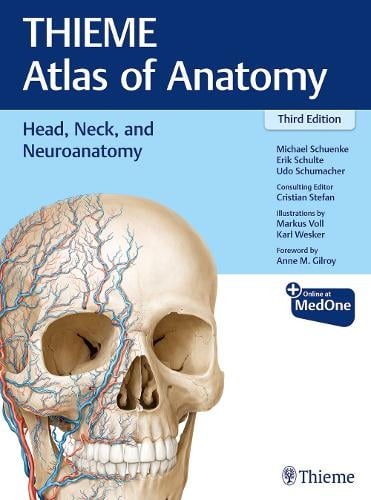
Thieme atlas of anatomy ; Vol.3 : Head, neck, and neuroanatomy
Combines illustrations with explanatory text and summary tables, introducing clinical applications throughout, and presenting anatomic concepts in a step-by-step sequence that includes system-by-system and topographical views; this volume covers head, neck, and neuroanatomy

The Serotonin Receptors : From Molecular Pharmacology to Human Therapeutics
The recent cloning and identification of a large number of serotonin (5-HT) receptors-a major family of therapeutic targets-holds out the possibility of developing novel, subtype-selective 5-HT receptor agonists and antagonists for use as psychiatric, cardiovascular, and neurological medications. In The Serotonin Receptors: From Molecular Pharmacology to Human Therapeutics, leading experts comprehensively examine our current understanding of the molecular and structural biology of 5-HT receptors and their pharmacological use. The authors describe the anatomical, cellular, and subcellular distribution of 5-HT receptors and demonstrate a powerful approach to elucidating their physiological role using knockout mice in which the 5-HT receptors were deleted. They also review our understanding of the physiological role(s) of 5-HT receptors based mainly on studies performed in genetically engineered mice.

The roles of variants in human multidrug resistance (MDR1) gene on drug response
MDR-1 belongs to a large family of ATP-binding cassette transporter proteins. These pumps bind their substrate and export it through the membrane using energy derived from ATP hydrolysis. In vivo and in vitro studies have demonstrated that MDR-1 plays a very significant role in the ADME processes (absorption, distribution, metabolism, excretion) and drug-drug interaction (DDI) of drugs in humans. Moreover, this efflux transporter is not only expressed in tumor cells, but also in normal tissues (Brain, intestine, liver and kidney) with excretory function that limits oral absorption and central nervous system entry of many drugs.

The Proteasome in Neurodegeneration
This book contains up-to-date reviews on different aspects of the ubiquitin proteasome system and its involvement in several neurodegenerative diseases. It is an indispensable source of information for scientists studying neurodegeneration. The book provides information on the basics of the ubiquitin proteasome system, but mainly describes a number of aspects of involvement of this system in neurodegeneration. All major hypotheses on the possible causes of neurodegeneration, such as oxidative stress, inflammation, and aging, are discussed in view of their effect on the ubiquitin proteasome system.

The NPY Family of Peptides in Immune Disorders, Inflammation, Angiogenesis, and Cancer
Recent research indicates that the immune system and inflammatory reactions are governed and regulated by powerful neuronal mediators derived from the central and peripheral nervous system. The NPY family of peptides is a diverse group of neuropeptides that acts via multiple receptors, Y1-Y5, which are widespread not only in neurons but also in a variety of non-neural and immune cells. These peptides have been known as important regulators of many essential systems, such as blood pressure and cardiac function, food consumption and energy homeostasis. However, in recent years, they have also become recognized for their role as potent modulators of cell growth and immune functions with broad implications in chronic inflammatory diseases, cancer and angiogenesis. In this book, experts in the field analyze recent evidence supporting the role of NPY family of peptides in regulation of the immune/inflammatory system with special reference to its medical and therapeutic implications.

The neuregulin-I/ErbB signaling system in development and disease
This monograph reviews the biology of Neuregulins and their receptors and summarizes recent research, which has established crucial functions of this signaling system during development and disease.

The Medical Basis of Psychiatry
The major goal of the this edition of this classic book was to update the busy clinician, psychiatric resident and medical student with the most up-to-date information on etiology, diagnosis and treatment of psychiatric disorders.

The Human Nervous System : Structure and Function
Offers medical students and interested neuroscientists a readily understandable and awe-inspiring view of the organization of the human nervous system. Its explanatory power and visual insight make this book an indispensable source of quick understanding that readers will consult gratefully again and again.

The Human Central Nervous System : A Synopsis and Atlas
The present edition of The Human Central Nervous System differs considerably from its predecessors. In previous editions, the text was essentially confined to a section dealing with the various functional systems of the brain. This section, which has been rewritten and updated, is now preceded by 15 newly written chapters, which introduce the pictorial material of the gross anatomy, the blood vessels and meninges and the microstructure of its various parts and deal with the development, topography and functional anatomy of the spinal cord, the brain stem and the cerebellum, the diencephalon and the telencephalon. Great pains have been taken to cover the most recent concepts and data. As suggested by the front cover, there is a focus on the evolutionary development of the human brain. Throughout the text numerous correlations with neuropathology and clinical n- rology have been made.

The Genetics and Molecular Biology of Neural Tumors
Collecting an extensive amount of information from thousands of publications by leading investigators in this rapidly developing field, The Genetics and Molecular Biology of Neural Tumors provides a convenient and up-to-date one volume source for research in neural tumors of various cellular origins. Each chapter, with a comprehensive list of references and many informative tables, contains clinical and epidemiologic information, as well as succinct but relevant patho-histologic and immunohistochemical descriptions facilitating the interpretation of the findings on tumor genetics and molecular biology. With over 3,500 references, 110 figures and 120 tables, this volume gathers an astonishing body of knowledge regarding human neural tumors.
