



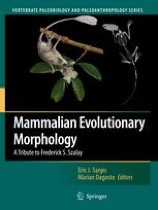
Mammalian Evolutionary Morphology : A Tribute to Frederick S. Szalay
This volume acknowledges and celebrates the contributions of Dr. Frederick S. Szalay to the field of Mammalian Evolutionary Morphology. Professor Szalay has published about 200 articles, four monographs, and six books on this subject. Throughout his career Professor Szalay has been a strong advocate for biologically and evolutionarily meaningful character analysis. In his view, this can be accomplished only through an integrated strategy of functional, adaptational, and historical analysis. Dr. Szalay worked on several different mammalian groups during his career, and the contributions to this volume reflect his broad perspective. Chapters focus on Primates, a group to which Professor Szalay dedicated much of his career. However, other mammalian groups on which he conducted a significant amount of research, such as marsupials and xenarthrans, are also covered in the volume.
كتب مشابهة
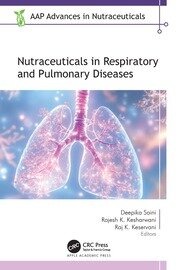
Nutraceuticals in respiratory and pulmonary diseases
Explores nutraceuticals that have been found to be effective in managing and treating respiratory and pulmonary diseases. It explains nutritional supplements that function as adjuvants for respiratory health and which may be useful targets for developing innovative nutraceutical-active respiratory products. The book also discusses the role of vitamins, minerals, and functional foods in the prevention and treatment of respiratory illnesses such as asthma, bronchitis, airway constriction, chronic obstructive pulmonary disorder (COPD), etc. It also explores the potential role of various herbs and foods in the treatment of lung illnesses through the Ayurvedic practices. The effectiveness of various natural and dietary supplements as well as plant and animal-based nutritional supplements for respiratory health are also considered.
Nutraceuticals and obesity strategies for weight management
his comprehensive volume explores the role that nutraceuticals can play in addressing obesity, shedding light on their potential as tools to promote sustainable weight management strategies as well as addressing associated health risks. Delving into the intricate interplay between nutrition, health, and obesity, the book provides a compelling account that illustrates how nutraceutical interventions can be incorporated into holistic obesity management strategies. It begins with an account of the mechanisms by which nutraceuticals function before featuring chapters on their efficacy and safety, how they can be integrated with other therapeutic interventions, and how they can be tailored for individuals with comorbidities. Offering a global perspective on the issue, there is also coverage of the various regulatory contexts in which nutraceuticals are sold and used.
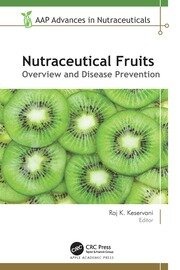
Nutraceutical fruits : Overview and disease prevention
While nutritional supplements have enormous advantages, food ingredients such as fruits and vegetables can play a significant preventative and therapeutic role in our daily lives. Fruits are found to have anti-inflammatory, antibacterial, antifungal, and chemopreventive properties that can boost health, as well as prevent diseases. This new book explores the use of fruits as nutraceuticals for alternative treatment, as well as for disease prevention. It looks at how nutraceutical fruits can be used to prevent and manage a range of diseases that include mental illness, cancer, respiratory and lung diseases, cardiovascular diseases, liver disease, inflammatory bowel diseases, sleep disorders, etc. The book also looks at the roles of nutraceutical fruits in the metabolic syndrome and provides information regarding the safety and toxicity of neutraceutical fruits.
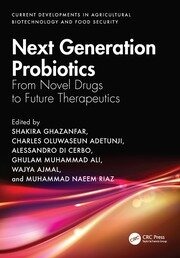
Next generation probiotics from novel drugs to future therapeutics
Provides a comprehensive and cutting-edge exploration of probiotics as powerful therapeutic agents. With the rapid advancements in the field, this book offers a deep dive into how probiotics are evolving beyond traditional uses, addressing complex health conditions and diseases in modern medicine. By combining the latest scientific research with practical applications, this book equips researchers, clinicians, and healthcare professionals with the knowledge needed to incorporate probiotics into clinical practice and future therapeutic strategies.
