




Microbial Activity in the Rhizosphere
The rhizosphere is a very complex environment in which the effects of the plant on soil microorganisms and the effects of the microorganisms on the plant are interacting and are interdependent. Plant root exudates and breakdown products attract microbes and feed them and, in turn, the plants often benefit from the microbes. Interactions among microorganisms and plant roots are essential for nutritional requirements of the plant. Plant growth, development and productivity are largely dependent on the soil environment in the root region rhizosphere. The new techniques of studying the rhizosphere enables us to get a much better understanding of the dynamics of the rhizosphere population, such rhizosphere studies being of interest to agriculturists, soilbiologists, chemists, microbiologists and molecular biologists. The rhizosphere microbes in?uence the root environment in several ways. They may change the oxidation-reduction potential, influence the availability of moisture and nutrients, produce growth inhibiting or growth promoting substances in the form of exudates, provide competition and possibly induce many other effects. My corrhizal associations are beneficial in mineral uptake and in increasing root surface area for effective ion absorption. Antagonism, ompetition and synergism in soil and the rhizoplane (rhizosphere) are the most important microbial interactions to consider in the study of rhizosphere biology. With the growing information on the production of growth regulators, competitiveness of the microbes in the rhizosphere, microsymbionts, and other factors, their effect upon plant growth will become more evident. Experiments on the introduction of microbes or their products in the rhizosphere will help to improve our understandingofthebiologyoftherhizosphere.
كتب مشابهة
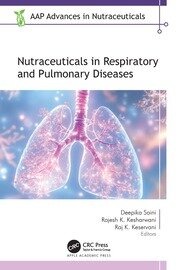
Nutraceuticals in respiratory and pulmonary diseases
Explores nutraceuticals that have been found to be effective in managing and treating respiratory and pulmonary diseases. It explains nutritional supplements that function as adjuvants for respiratory health and which may be useful targets for developing innovative nutraceutical-active respiratory products. The book also discusses the role of vitamins, minerals, and functional foods in the prevention and treatment of respiratory illnesses such as asthma, bronchitis, airway constriction, chronic obstructive pulmonary disorder (COPD), etc. It also explores the potential role of various herbs and foods in the treatment of lung illnesses through the Ayurvedic practices. The effectiveness of various natural and dietary supplements as well as plant and animal-based nutritional supplements for respiratory health are also considered.
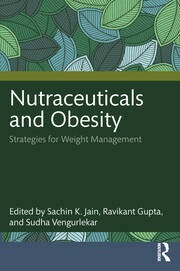
Nutraceuticals and obesity strategies for weight management
his comprehensive volume explores the role that nutraceuticals can play in addressing obesity, shedding light on their potential as tools to promote sustainable weight management strategies as well as addressing associated health risks. Delving into the intricate interplay between nutrition, health, and obesity, the book provides a compelling account that illustrates how nutraceutical interventions can be incorporated into holistic obesity management strategies. It begins with an account of the mechanisms by which nutraceuticals function before featuring chapters on their efficacy and safety, how they can be integrated with other therapeutic interventions, and how they can be tailored for individuals with comorbidities. Offering a global perspective on the issue, there is also coverage of the various regulatory contexts in which nutraceuticals are sold and used.
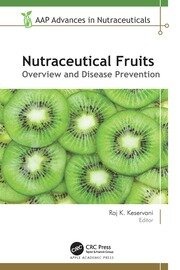
Nutraceutical fruits : Overview and disease prevention
While nutritional supplements have enormous advantages, food ingredients such as fruits and vegetables can play a significant preventative and therapeutic role in our daily lives. Fruits are found to have anti-inflammatory, antibacterial, antifungal, and chemopreventive properties that can boost health, as well as prevent diseases. This new book explores the use of fruits as nutraceuticals for alternative treatment, as well as for disease prevention. It looks at how nutraceutical fruits can be used to prevent and manage a range of diseases that include mental illness, cancer, respiratory and lung diseases, cardiovascular diseases, liver disease, inflammatory bowel diseases, sleep disorders, etc. The book also looks at the roles of nutraceutical fruits in the metabolic syndrome and provides information regarding the safety and toxicity of neutraceutical fruits.
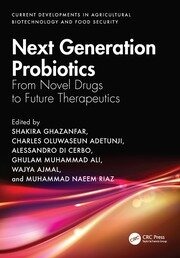
Next generation probiotics from novel drugs to future therapeutics
Provides a comprehensive and cutting-edge exploration of probiotics as powerful therapeutic agents. With the rapid advancements in the field, this book offers a deep dive into how probiotics are evolving beyond traditional uses, addressing complex health conditions and diseases in modern medicine. By combining the latest scientific research with practical applications, this book equips researchers, clinicians, and healthcare professionals with the knowledge needed to incorporate probiotics into clinical practice and future therapeutic strategies.
