



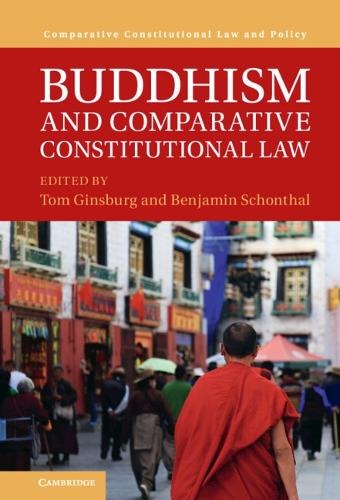
Buddhism and comparative constitutional law
The first comprehensive account of the entanglements of Buddhism and constitutional law,The authors also highlight the important ways in which Buddhist actors have (re)conceived Western liberal ideals such as constitutionalism, rule of law, and secularism.
كتب مشابهة

Dynamic business law : The essentials
The importance and excitement of the law. We want them to be aware that business resides in an atmosphere of legal rights and responsibilities. The more they have an understanding of relevant law, the more their business activities will flourish. We tried to construct a book that contains the basics of business law but does not get bogged down in the kind of details that would be more appropriate in an upper-level law class.
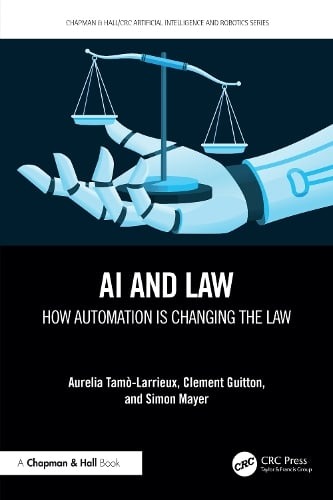
AI and law : How automation is changing the law
Provides insights into how AI is changing legal practice, government processes, and individuals’ access to those processes, encouraging each of us to consider how technological advances are changing the legal system. Particularly, and distinct from current debates on how to regulate AI, this books focuses on how the progressive merger between computational methods and legal rules changes the very structure and application of the law itself.

International legal theory and the cognitive turn
Significant changes in social sciences often herald changes in legal theory, including in international legal theory. In light of the cognitive turn in social sciences, this volume seeks to explore the implications of this ‘turn’ for international legal theories. Cognitive and behavioural studies are making inroads into international law literature and international policy-making,

Data rights in transition
Maps the development of data rights that formed and reformed in response to the socio-technical transformations of the postwar twentieth century. The authors situate these rights, with their early pragmatic emphasis on fair information processing, as different from and less symbolically powerful than utopian human rights of older centuries
