



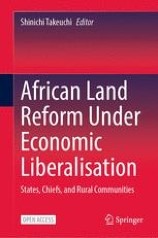
African Land Reform Under Economic Liberalisation: States, Chiefs, and Rural Communities
This book offers unique in-depth, comprehensive, and comparative analyses of the motivations, context, and outcomes of recent land reforms in Africa. Whereas a considerable number of land reforms have been carried out by African governments since the 1990s, no systematic analysis on their meaning has so far been conducted. In the age of land reform, Africa has seen drastic rural changes. Analysing the relationship between those reforms and change, the chapters in this book reveal not only their socio-economic outcomes, such as accelerated marketisation of land, but also their political outcomes, which have often been contrasting.
كتب مشابهة

Dynamic business law : The essentials
The importance and excitement of the law. We want them to be aware that business resides in an atmosphere of legal rights and responsibilities. The more they have an understanding of relevant law, the more their business activities will flourish. We tried to construct a book that contains the basics of business law but does not get bogged down in the kind of details that would be more appropriate in an upper-level law class.
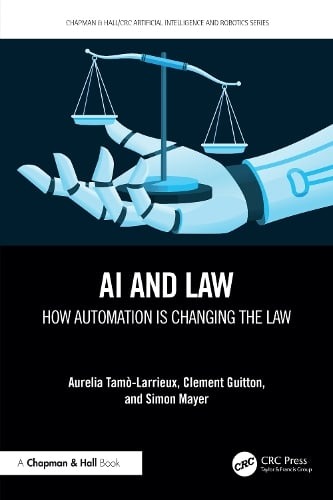
AI and law : How automation is changing the law
Provides insights into how AI is changing legal practice, government processes, and individuals’ access to those processes, encouraging each of us to consider how technological advances are changing the legal system. Particularly, and distinct from current debates on how to regulate AI, this books focuses on how the progressive merger between computational methods and legal rules changes the very structure and application of the law itself.

International legal theory and the cognitive turn
Significant changes in social sciences often herald changes in legal theory, including in international legal theory. In light of the cognitive turn in social sciences, this volume seeks to explore the implications of this ‘turn’ for international legal theories. Cognitive and behavioural studies are making inroads into international law literature and international policy-making,
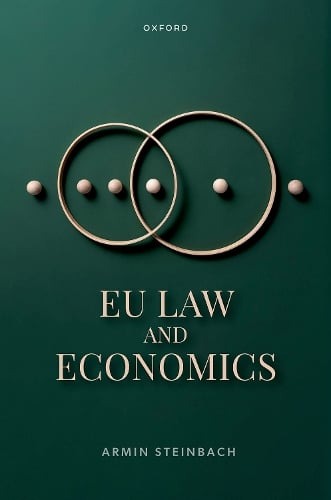
EU law and economics
Examines the design and evolution of European law from the perspective of economics. It draws on various branches of the economic sciences including rational choice and game theory, and institutional and behavioural economics to expand our understanding of EU law and its effects. It seeks to complement doctrinal research on EU law by generating insights.
