



Page 21
Page 21

Improving Health Care in Low- and Middle-Income Countries : A Case Book
This book is a collection of 12 case studies capturing decades of experience improving health care and outcomes in low- and middle-income countries. Each case study is written by healthcare managers and providers who have implemented health improvement projects using quality improvement methodology, with analysis from global health experts on the practical application of improvement methods.
Impact of Pollution on Animal Products
The present workshop contributed highly to the exchange between scientists giving the opportunity for researchers from Central Asia to access to new scientific approaches and methodologies, and for European scientists to assess the extent of the environmental problems in this part of the world. No doubt that these exchanges were the main success of the workshop marked by very stimulating discussions. Such meeting was also the opportunity to put on the first stone of a scientific network focused on the subject of the workshop. The importance of pollution in Central Asia in general and in Kazakhstan in p- ticular is a well-known feature and several references are available on the source and localization of pollution problems in those countries. The references are also abundant on the impact of the environmental failures on human health.

Impact of COVID-19 on the dental community
The COVID-19 pandemic is considered to be a global public health emergency. Due to its route of transmission via contact with droplets and aerosols, dentists are at high risk of acquiring an infection while treating patients. The impact of the coronavirus on the dental community is eminent, and the greatest challenge is how we can offer dental treatment despite the outbreak. Dental education programs in both under- and postgraduate forms will also suffer from the ramifications of the pandemic. This topical collection offers many perspectives on the management of the COVID-19 crisis within the dental community.
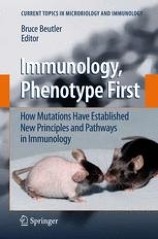
Immunology, phenotype first : How mutations have established new principles and pathways in immunology
This monograph deals with the impact of classical genetics in immunology, prov- ing examples of how large immunological questions were solved, and new fields opened to analysis through the study of phenotypes, either spontaneous or induced. As broad as biology has become, there are those who do not fully understand what the genetic approach is, and how it differs fundamentally from most of the methods available to natural scientists.

Immunology and Immunopathogenesis of Malaria
This collection of reviews addresses many of these important issues of malarial immunity and immunopathology. They are of interest not only to malariologists, but hopefully also to the broader immunological community. Strong interactions with, and feedback from immunologists working in other infectious diseases and in basic immunology will help us to move the field of malaria immunology and therapeutic intervention forward more quickly.

Immunogenetics: Methods and Protocols
Explores techniques for working in the field of immunogenetics, i.e. fundamental and translational research into the adaptive immune receptor repertoire. Many chapters are dedicated to lab protocols, bioinformatics, and immunoinformatics analysis of high-resolution immunome analysis, exemplified by numerous applications. Additionally, the newest technological variations on these protocols are discussed, including non-amplicon, single-cell, and cell-free strategies. Written for the highly successful Methods in Molecular Biology series, chapters include introductions to their respective topics, lists of the necessary materials and reagents, step-by-step, readily reproducible laboratory protocols, and tips on troubleshooting and avoiding known pitfalls.

Immunogenetics of Autoimmune Disease
Utoimmunity is the downstream outcome of a rather extensive and coordinated series of events that include loss of self-tolerance, peripheral lymphocyte Aactivation, disruption of the blood-systems barriers, cellular infiltration into the target organs and local inflammation. Cytokines, adhesion molecules, growth factors, antibodies, and other molecules induce and regulate critical cell functions that perpetuate inflammation, leading to tissue injury and clinical phenotype. The nature and intensity of this response as well as the physiological ability to restore homeostasis are to a large extent conditioned by the unique amino acid sequences that define allelic variants on each of the numerous participating mol ecules. Therefore, the coding genes in their germline configuration play a primary role in determining who is at risk for developing such disorders, how the disease progresses, and how someone responds to therapy. Although genetic components in these diseases are clearly present, the lack of obvious and homogeneous modes of transmission has slowed progress by prevent ing the full exploitation of classical genetic epidemiologic techniques. Furthermore, autoimmune diseases are characterized by modest disease risk heritability and m- tifaceted interactions with environmental influences. Yet, several recent discoveries have dramatically changed our ability to examine genetic variation as it relates to human disease. In addition to the development of large-scale laboratory methods and tools to efficiently recognize and catalog DNA diversity, over the past few years there has been real progress in the application of new analytical and data-manage ment approaches

Immunity boosting medicinal plants of the Western Himalayas
Presents a comprehensive guide to traditional immunity-boosting medicinal plants of the Himalayas, their traditional uses, phytochemistry, pharmacology, diversity, conversation, biotechnology, toxicology, as well as future prospective. All the chapters cover the latest advances in ethnobotany, phytochemistry, biochemistry, and biotechnology.

Immunity against mucosal pathogens
This book will provide the readers in the areas of vaccinology, virology, bacteriology, epidemiology, immunology and mucosal immunology within academia (undergraduate, graduate, post doctoral fellows and professors), as well as preclinical and clinical scientists in vaccine and drug industries a thorough appreciation of the mucosal immune system and its importance in protecting humans against mucosal pathogens.

Immune regulation and immunotherapy in autoimmune disease
Assembles the insights and experience of over twenty experts and thought leaders in the field of autoimmune disease and immunotherapy. These discussions represent some of the newest concepts in autoimmune mechanisms and an array of new treatments that would have been considered science fiction only two decades ago. This book provides a wide-ranging review of two main arenas of current research: that of autoimmune mechanisms of disease and that of the latest developments in immunotherapy, with an emphasis upon multiple sclerosis.

Images, Representations and Heritage : Moving beyond Modern Approaches to Archaeology
Recent archaeological theory has show that images of the past have carried a particularly strong resonance within modern social groups. This volume explores the immeasurable impact that the phenomenon of archaeology has had on the representation of the past in the modern world. Modern society’s ‘archaeological imagination’ conceives of archaeology as a producer of images of the past which become representations of modern group identities. If archaeology is utilized by public groups to construct and represent identities, then what are archaeologists to do with that public? The very fact that the public is interested in the past and in archaeological research is an opportunity for archaeology to engage that public.

If ... then : Architectural speculations
he creates houses and other buildings that are snugly energy-ef?cient and sit lightly on the land. Introduction 10 Camera-Ready Green Design 11 Standards and Practices Introduction 12 A Very Short History Camera-Ready Green Design 13 A Movement’s Priorities Introduction 14 Camera-Ready Green Design 15 The Damage Done Introduction 16 Camera-Ready Green Design 17 city Cities have been around for more than six thousand years, drawing successive waves of new residents with their blend of commerce, culture, energy, and opportunity. The first city to surpass a population of one million was Baghdad, thirteen centuries ago. London topped ?ve million in 1825; New York exceeded ten million a hundred years later

IEA International Computer and Information Literacy Study 2018 Assessment Framework
This book is designed to assess how well students are prepared for study, work and life in a digital world. The study measures international differences in students’ computer and information literacy (CIL): their ability to use computers to investigate, create, participate and communicate at home, at school, in the workplace and in the community. Participating countries also have an option for their students to complete an assessment of computational thinking (CT). The ICILS assessment framework articulates the basic structure of the study, providing a description of the field and the constructs to be measured. This book outlines the design and content of the measurement instruments, sets down the rationale for those designs, and describes how measures generated by those instruments relate to the constructs. Hypothesized relations between constructs provide the foundation for some of the analyses that follow.

Hydra = هايدرا
Forgery involves the use of advanced algorithms to replicate and distribute deceptive products across various categories, casting shadows of doubt on the authenticity of goods. Although counterfeit detection can be useful in identifying and mitigating fraudulent activities, the widespread presence of counterfeit goods poses significant dangers, undermining consumer confidence and brand reputation. To underscore the severity of this issue, consider instances such as fake luxury items flooding the market, counterfeit electronics compromising safety, or bogus pharmaceuticals endangering health. Addressing this issue is critical in maintaining the integrity of brands, safeguarding consumer well-being, and preserving trust in the marketplace. The ability to distinguish between authentic and counterfeit products is paramount in ensuring accurate decision-making and preventing the harmful consequences of fraudulent goods. This technological context underscores the urgency of developing and deploying cutting-edge solutions to combat the evolving landscape of product forgery. Hydra emerges as a robust solution, utilizing a comprehensive approach that includes extracting posts and images from search engine tools, and is integrated with AI models to detect forgery. The Hydra platform not only provides users with a powerful tool for detecting counterfeit products but also offers tangible benefits such as enhanced brand security, increased awareness about the prevalence of forgeries, and the opportunity to actively participate in a real-time community.

Hybrid metaheuristics ; Vol. 4030 ; 3rd International Workshop, HM 2006, Gran Canaria, Spain, October 13-14, 2006, Proceedings
The selection of papers for HM 2006 consolidated some of the mainstream issues that have emerged from the past editions. Firstly, there are prominent examples of e?ective hybrid techniques whose design and implementation were motivated by challenging real-world applications. We believe this is particularly important for two reasons: on the one hand, researchers are conscious that the primary goal of developing algorithms is to solve relevant real-life problems; on the other hand, the path towarde?cient solving methods for practical problems is a source of new outstanding ideas and theories. A second important issue is that the research community on metaheur- tics has become increasingly interested in and open to techniques and methods known from arti?cial intelligence (AI) and operations research (OR). So far, the most representative examples of such integration have been the use of AI/OR techniques as subordinates of metaheuristic methods. As a historical and - ymological note, this is in perfect accordance with the original meaning of a metaheuristic as a “general strategy controlling a subordinate heuristic. ” The awareness of the need for a sound experimental methodology is a third keypoint.

Humanized mice
The term humanized mouse in this text refers to a mouse in which human tissues and cells have been transplanted and show the same biological function as they do in the human body. That is, the physiological properties and functions of tra- planted human tissues and cells can be analyzed in the mouse instead of using a living human body. It should therefore be possible to study the pathophysiology and treatment of human diseases in mice with good reproducibility.

Human Interaction with Machines ; Proceedings of the 6th International Workshop held at the Shanghai JiaoTong University, March 15-16, 2005
The International Workshop on “Human Interaction with Machines” is the sixth in a successful series of workshops that were established by Shanghai Jiao Tong University and Technische Universität Berlin. The goal of those workshops is to bring together researchers from both universities in order to present research results to an international community. The series of workshops started in 1990 with the International Workshop on “Artificial Intelligence” and was continued with the International Workshop on “Advanced Software Technology” in 1994.

Human Exploitation and Biodiversity Conservation
The sustainable use of biodiversity is one of the three key objectives of the 1992 "Convention on Biological Diversity". To achieve this, sound conservation practice has to be recognized as beneficial and implemented by all who access, or use it – from subsistence farmers to skiers and pharmaceutical bioprospectors. At the same time, indigenous peoples necessarily utilize enormous numbers of plants, fungi, and fish, particularly for foods and medicines. This book gathers together a wide range of contributions addressing diverse aspects of front-line human involvement in biodiversity exploitation and conservation. Its scope is broad, the organisms explored ranging from birds, invertebrates and mammals – both terrestrial and aquatic – to crops and medicinal plants. Meanwhile, the issues addressed include land use changes, the importance of gardens, hedges and green lanes, housing developments, hunting, invasive species, local community involvement, sacred groves, socioeconomic factors and trade.

How the immune system recognizes self and nonself : Immunoreceptors and their signaling
This brain function must have been particularly important for most animals to protect their lives from enemies and for species to survive through evolution. Similarly, higher organisms have also acquired their immune system through evolution that discriminates nonself pathogens and self-body to protect their lives from pathogens such as bacteria or viruses. The brain system may distinguish integrated images of self and nonself created from many inputs, such as vision, sound, smell, and others. The immune system recognizes and distinguishes a variety of structural features of self and nonself components. The latter actually include almost everything but self.

Hot Topics in Infection and Immunity in Children IV
Hot Topics in Infection and Immunity in Children IV contains chapters based on lectures given by speakers at the “Infection and Immunity in Children” course, held in June 2006 at Keble College, Oxford. It was the fourth annual course of this name and this is the fourth book in the series as well. Together the courses and books have become important components of the training available to paediatricians with an interest in this specialty and have become increasingly popular each year. This book covers topics in infectious diseases in children and is intended for Pediatric Infectious Disease trainees, trainers, and all those who manage children with infections.
