




Immunogenetics of Autoimmune Disease
Utoimmunity is the downstream outcome of a rather extensive and coordinated series of events that include loss of self-tolerance, peripheral lymphocyte Aactivation, disruption of the blood-systems barriers, cellular infiltration into the target organs and local inflammation. Cytokines, adhesion molecules, growth factors, antibodies, and other molecules induce and regulate critical cell functions that perpetuate inflammation, leading to tissue injury and clinical phenotype. The nature and intensity of this response as well as the physiological ability to restore homeostasis are to a large extent conditioned by the unique amino acid sequences that define allelic variants on each of the numerous participating mol ecules. Therefore, the coding genes in their germline configuration play a primary role in determining who is at risk for developing such disorders, how the disease progresses, and how someone responds to therapy. Although genetic components in these diseases are clearly present, the lack of obvious and homogeneous modes of transmission has slowed progress by prevent ing the full exploitation of classical genetic epidemiologic techniques. Furthermore, autoimmune diseases are characterized by modest disease risk heritability and m- tifaceted interactions with environmental influences. Yet, several recent discoveries have dramatically changed our ability to examine genetic variation as it relates to human disease. In addition to the development of large-scale laboratory methods and tools to efficiently recognize and catalog DNA diversity, over the past few years there has been real progress in the application of new analytical and data-manage ment approaches
Related Books
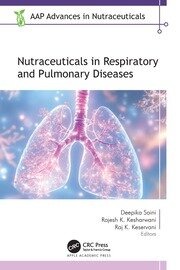
Nutraceuticals in respiratory and pulmonary diseases
Explores nutraceuticals that have been found to be effective in managing and treating respiratory and pulmonary diseases. It explains nutritional supplements that function as adjuvants for respiratory health and which may be useful targets for developing innovative nutraceutical-active respiratory products. The book also discusses the role of vitamins, minerals, and functional foods in the prevention and treatment of respiratory illnesses such as asthma, bronchitis, airway constriction, chronic obstructive pulmonary disorder (COPD), etc. It also explores the potential role of various herbs and foods in the treatment of lung illnesses through the Ayurvedic practices. The effectiveness of various natural and dietary supplements as well as plant and animal-based nutritional supplements for respiratory health are also considered.
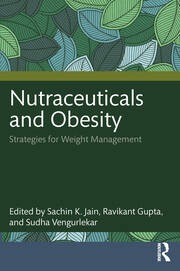
Nutraceuticals and obesity strategies for weight management
his comprehensive volume explores the role that nutraceuticals can play in addressing obesity, shedding light on their potential as tools to promote sustainable weight management strategies as well as addressing associated health risks. Delving into the intricate interplay between nutrition, health, and obesity, the book provides a compelling account that illustrates how nutraceutical interventions can be incorporated into holistic obesity management strategies. It begins with an account of the mechanisms by which nutraceuticals function before featuring chapters on their efficacy and safety, how they can be integrated with other therapeutic interventions, and how they can be tailored for individuals with comorbidities. Offering a global perspective on the issue, there is also coverage of the various regulatory contexts in which nutraceuticals are sold and used.
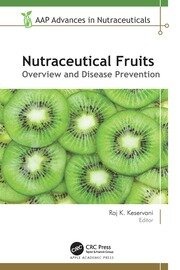
Nutraceutical fruits : Overview and disease prevention
While nutritional supplements have enormous advantages, food ingredients such as fruits and vegetables can play a significant preventative and therapeutic role in our daily lives. Fruits are found to have anti-inflammatory, antibacterial, antifungal, and chemopreventive properties that can boost health, as well as prevent diseases. This new book explores the use of fruits as nutraceuticals for alternative treatment, as well as for disease prevention. It looks at how nutraceutical fruits can be used to prevent and manage a range of diseases that include mental illness, cancer, respiratory and lung diseases, cardiovascular diseases, liver disease, inflammatory bowel diseases, sleep disorders, etc. The book also looks at the roles of nutraceutical fruits in the metabolic syndrome and provides information regarding the safety and toxicity of neutraceutical fruits.
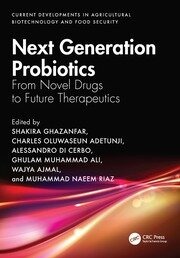
Next generation probiotics from novel drugs to future therapeutics
Provides a comprehensive and cutting-edge exploration of probiotics as powerful therapeutic agents. With the rapid advancements in the field, this book offers a deep dive into how probiotics are evolving beyond traditional uses, addressing complex health conditions and diseases in modern medicine. By combining the latest scientific research with practical applications, this book equips researchers, clinicians, and healthcare professionals with the knowledge needed to incorporate probiotics into clinical practice and future therapeutic strategies.
