



Page 1
Page 1

Nutrigenomics and nutraceuticals
Provides an authoritative and comprehensive overview of the field of nutraceuticals and genomics—also called nutrigenomics, a rapidly growing field. It discusses both nutrigenomic and nutrigenetic techniques to investigate the nutritional basis of several health disorders because scientists have found that diet can affect gene expression. The book covers the nutrigenomic tools for the prevention of disease conditions such as cancer, viral infection, microbial infection, COVID-19, HIV/AIDS, tuberculosis, hypertension, neurodegenerative disease, obesity, baldness, and anemia. Some nutrigenomic tools that can also be used for brain health, weight loss, human nutrition, skin care, and maintaining health during pregnancy are also explored.

New Concepts of Antiviral Therapy
Antiviral drugs are important tools for treatment or prevention of viral infections. These drugs were first used for monotherapy, but nowadays combinations of antiviral agents are often part of a standard treatment as evidenced by e.g. HAART (highly active antiretroviral therapy). However, in almost every case of antiviral therapy, drug resistant viruses appear. In addition, the low oral bioavailability, toxicity and the number of severe side effects still pose significant problems. All of the latter issues limit the clinical usefulness and drive the need for improved antiviral strategies. These strategies include new drugs and targets, novel modes of action, vector-based treatments and even the block of defined genes by inhibiting mRNA formation (siRNA).

Neural and Neuroendocrine Mechanisms in Host Defense and Autoimmunity
This comprehensive volume, written by experts in the integrative fields of neuroscience, endocrinology and immunology, provides insight into the mechanisms by which neural and neuroendocrine factors influence susceptibility to infection and autoimmunity. The book focuses on multiple sclerosis as the prototypic autoimmune disease and discusses infectious diseases including anthrax, influenza virus, herpes virus and human immunodeficiency virus. The effects of stress on experimental models of multiple sclerosis and also clinical observations of stress in multiple sclerosis patients are discussed. Neural and Neuroendocrine Mechanisms in Host Defense and Autoimmunity is an ideal book for researches and professionals in the fields of immunology, neuroscience, infectious disease, psychology, microbiology, virology, public health and pharmaceutical sciences.

Mucosal Immunology and Virology
Mucosal Immunology and Virology is designed to provide the clinician with a thorough and yet approachable textbook describing the relationships between immunology, virology and the disease process. It includes a vast wealth of information and illustrations to enable the reader to become familiar with the clinical presentation of these diseases, the tests needed to establish the diagnosis, and the treatment of the disease including specific antiviral agents. Suitable for residents and clinicians in immunology, infectious diseases, internal medicine and dermatology the book reviews the systematic manifestations of mucosal viral infections, including those involving the mouth, gastrointestinal tract, respiratory system, anogenital mucosa and ocular infections
Molecular Mechanisms of Plant and Microbe Coexistence
Molecular Mechanisms of Plant and Microbe Coexistence presents studies on the complex and manifold interactions of plants and microbes at the population, genomics and proteomics level. The role of soil microbial diversity in enhancing plant health and plant microbe beneficial symbioses is discussed. Microbial communities are shown in the light of evolution. Main topics include genome coexistence and the functional genomics and proteomics of plant-associated microbes, which could form the basis for new environmentally benign strategies to combat infectious plant diseases and regulate plant growth. Further chapters focus on the role of signaling during the different stages of plant microbe coexistence, in symbiotic or pathogenic relationships, in quorum sensing and plant viral infections. Methods for studying the interactions in the root zone complement the book, which will certainly be of relevance in the practical application to agriculture, food security and for maintaining the balance of our ecosystems.

Modulation of host gene expression and innate immunity by viruses
This book is reference on a relatively young area of research in which virology, cellular biology and molecular pathogenesis govern the principles of coinvestigation. Infection of a naïve (non-immune) host with a virus elicits an immediate response which results in a cascade of changes in the host, including an interferon response (innate immunity). The outcome of this interaction is influenced by the genes of the virus as well as the genes of the host. Interestingly, different viruses do it in different ways. Not only is there a plethora of mechanisms used by the invading organisms, but the host has also evolved a great variety of redundant and robust countermeasures. This interplay of host and virus represents one of the most significant frontiers in biology today. A clearer understanding of the mechanisms involved will arm us with better strategies to deal with viruses, including emerging pathogens and potential bioterrorism agents. This book is sure to benefit students, scientists, and physicians working in the areas of virology, immunology, microbiology, and infectious diseases.

Membrane Trafficking in Viral Replication
The ability of viruses to exploit cellular functions for their own ends makes them highly effective pathogens and exquisite experimental tools. Work with viruses underpins much of our current understanding of molecular cell biology and related fields. Each of the eight chapters in this volume deals with a specific aspect of viral interactions with cellular membranes. These include chapters on viral entry, viral membrane fusion, viral membrane protein synthesis and transport, viral replication, viral interactions with cytoskeletal systems and the nucleus, the trafficking of viral membrane proteins and viral perturbation of host cell protein trafficking. These chapters should provide both an overview of cellular membrane trafficking mechanisms and viral interactions with these systems, as well as reviews of the current state of each of the fields.

Immune regulation and immunotherapy in autoimmune disease
Assembles the insights and experience of over twenty experts and thought leaders in the field of autoimmune disease and immunotherapy. These discussions represent some of the newest concepts in autoimmune mechanisms and an array of new treatments that would have been considered science fiction only two decades ago. This book provides a wide-ranging review of two main arenas of current research: that of autoimmune mechanisms of disease and that of the latest developments in immunotherapy, with an emphasis upon multiple sclerosis.

Herbal antivirals : Natural remedies for emerging & resistant viral infections ; 2nd ed.
Viruses are smart, mutating, and becoming resistant to antiviral pharmaceuticals. Global crises such as COVID-19, SARS, and dengue feaver spread more quickly than we can develop medicines to fight them. Herbalist and best-selling author Stephen Harrod Buhner has studied the antiviral properties of plants for many years. In this comprehensive guide, he profiles the plants that have proven most effective in fighting viral infections and provides in-depth instructions for preparing and using formulations to address the most common infections and strengthen immunity, safely and naturally. The updated 2nd edition includes an expanded guide to COVID-19, including a review of the most up-to-date medical research and the plant medicines that have been found to be most potent in preventing infection, lessening the impact of the virus on the body, and addressing longer-term effects and co-infections.

Focus on bacterial biofilms
Bacterial biofilms are colonies of bacterial cells embedded in their self-produced matrix composed of polysaccharides, DNA, and proteins. They protect bacterial cells against antibiotics, antibacterial agents, soaps and detergents, and shear stress. Some of the most common biofilm-associated infections in humans include urinary tract infections, infection of wounds and surgical sites, diabetic foot ulcers, dental caries (tooth decay) and gingivitis (gum inflammation), ventilator-associated infections, sinusitis, microbial keratitis, secondary infection related to Covid-19 and other viral infections, and so on. Bacterial resistance to common antibiotics (e.g., penicillin, gentamycin, erythromycin, ciprofloxacin, etc.) is driving us to a catastrophic failure of our health systems. Strategies to develop novel antibacterial agents and technology must be prioritized to combat and eradicate biofilms and their associated challenges. This book provides a comprehensive overview of biofilms with chapters on bacterial virulence factors, quorum sensing in bacteria, antimicrobial resistance in bacteria, strategies to develop new antibacterial agents, and much more.

Double-stranded RNA : Methods and protocols
Examines classical and cutting-edge methods involving double-stranded RNA (dsRNA), specifically regarding isolation, visualization, characterization, production, and application. Many protocols, such as co-immunoprecipitation-based isolation of double-stranded RNA-associated protein complexes, identification of mycoviruses by dsRNA extraction, application of dsRNA for fungi disease management (Sclerotinia sclerotiorum and Botrytis cin), and production of double-stranded RNA in plants by plant viral vectors for gene silencing, can also be easily adapted for identification of viruses from other organisms, control of other pathogens, and fundamental research. Written for the highly successful Methods in Molecular Biology series, chapters include introductions to their respective topics, lists of the necessary materials and reagents, step-by-step and readily reproducible laboratory protocols, as well as tips for troubleshooting and avoiding known pitfalls.

Diagnosing dental and orofacial Pain : A clinical manual
Offers valuable advice on ways to observe and communicate effectively with patients in pain, how to analyze a patients' pain descriptions, and how to provide a proper diagnosis of orofacial pain problems that can arise from a myriad of sources-anywhere from teeth, joint and muscle pain, and paranasal sinuses to cluster headaches, neuralgias, neuropathic pain and viral infections. Helps the student and practitioner understand the diagnostic process by addressing the exact questions that need to be asked and then analyzing verbal and non-verbal responses to theseEdited by experts with decades of clinical and teaching experience, and with contributions from international specialistsCompanion website provides additional learning materials including videos, case studies and further practical tips for examination and diagnosisIncludes numerous color photographs and illustrations throughout to enhance text clarityoffers valuable advice on ways to observe and communicate effectively with patients in pain, how to analyze a patients' pain descriptions, and how to provide a proper diagnosis of orofacial pain problems that can arise from a myriad of sources-anywhere from teeth, joint and muscle pain, and paranasal sinuses to cluster headaches, neuralgias, neuropathic pain and viral infections.
Current Perspectives in microRNAs (miRNA)
In this book, many new perspectives of the miRNA research are reviewed and discussed, including their roles in stem cell maintenance, embryonic development, tissue differentiation, adult physiology, disease pathology, cancer research, viral infection, genetic engineering in plants, and utility in cosmetic applications. These new findings may not only provide significant insight into the various mechanisms of miRNAs but also offer a great opportunity in developing new therapeutic interventions.

Computational methods for rational drug design
Covers the tools and techniques of drug design with applications to the discovery of small molecule-based therapeutics, detailing methodologies and practical applications and addressing the challenges of techniques like AI/ML and drug design for unknown receptor structures. Divided into 23 chapters, the contributors address various cutting-edge areas of therapeutic importance such as neurodegenerative disorders, cancer, multi-drug resistant bacterial infections, inflammatory diseases, and viral infections.

Manual of Diagnostic Ultrasound in Infectious Tropical Diseases
This manual is intended to fill a gap in the range of books on ultrasound diagnosis, concentrating exclusively on the diagnosis of infectious and tropical diseases. The book starts with a short introduction to ultrasound diagnosis. The main part describes and discusses the organ-related changes that can be detected with ultrasound in infectious and inflammatory diseases. The infectious and parasitic diseases that can successfully be diagnosed with ultrasound are presented in more detail. The important potential of interventional ultrasound diagnosis and therapy in infectious diseases is described.
Liver Immunology : Principles and Practice
parasitic and viral infections of the liver, autoimmune liver disease, alcoholic and nonalcoholic fatty liver diseases, and transplantation in an easy-to-read and thorough format. Authors also address the key issues that have arisen in this field in recent years, including physiological roles of hepatocytes, sinusoidal lining cells, activated macrophages (Kupffer cells), cholangiocytes and stellate cells, and their modulation of T cells, natural killer (NK) cells and NKT cells.

Killer Cell Dynamics : Mathematical and Computational Approaches to Immunology
Reviews how mathematics can be used in combination with biological data in order to improve understanding of how the immune system works. This is illustrated largely in the context of viral infections. Mathematical models allow scientists to capture complex biological interactions in a clear mathematical language and to follow them to their precise logical conclusions. This can give rise to counter-intuitive insights which would not be attained by experiments alone, and can be used for the design of further experiments in order to address the mathematical results.
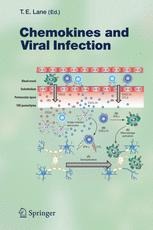
Chemokines and Viral Infection
This edition of Current Topics in Microbiology and Immunology examines the role of chemokines and chemokine receptors in host defense and disease development following viral infection. Chemokines represent a family of over 40 small proteins that, for the most part, are secreted into the environment and function by binding to G protein-coupled receptors (GPCRs) that are expressed on numerous different cell types. When initially identified close to 30 years ago, these molecules were associated with various human inflammatory diseases and it was recognized that expression may be integral in leukocyte recruitment to inflamed tissue. There are now four sub-families of chemokines identified based on defined structural criteria relating to the positional location of conserved cysteine residues within the amino-terminus of the protein. Chemokines are now recognized as important in numerous biological processes ranging from maintaining the organizational integrity of secondary lymphoid tissue to participating in various aspects of both innate and adaptive immune responses following microbial infection. With this in mind, this book highlights the functional roles of chemokines and their receptors in participating in various aspects of the immune response against well-known viral pathogens.
CD137 Pathway : Immunology and Diseases
This comprehensive volume, written by experts in the field, covers nearly all aspects of ongoing research related to the CD137 pathway. Recent research has shown that the manipulation of CD137 pathway molecules is very promising in the treatment of cancer, viral infection, transplantation rejection and autoimmune diseases in experimental animal models. The volume includes research related to the identification and understanding of functional consequences of CD137 receptor and ligand molecules which represents a major effort in the field of immunology. CD137 Pathway: Immunology and Diseases is an ideal book for immunologists, microbiologists, cancer researchers, molecular biologists, biochemists, and pharmaceutical and biotechnology company scientists.

Anti-viral metabolites from medicinal plants
Covers general concepts of anti-viral metabolites, classifications, ethnopharmacology, chemistry, clinical and preclinical studies focusing on different medicinal plants against various types of viral infections. Various plants have been used in medicine since ancient times and are known for their strong therapeutic effects. The book will describe potential antiviral properties of medicinal plants against a diverse group of viruses, and provide an insight to the potential plants possess for broad-spectrum antiviral effects against emerging viral infections.The book aims to target a broad audience including virologists, molecular biologist, microbiologist and scientists working with natural products as well as researchers, students, healthcare experts involved in pharmaceutical and medical field.
