



Page 1
Page 1

Natural poisons and venoms: Plant toxins : Polyketides, phenylpropanoids and further compounds
Biogenic toxins are fascinating natural products characterized by an enormous diversity of chemical structures and pharmacological activities. They not only pose hazards to humans and animals, but they are important components in the interplay of substances and living beings in nature and, moreover, important sources for new drugs.

Natural poisons and venoms : Animal toxins
Biogenic toxins are fascinating natural products characterized by an enormous diversity of chemical structures and pharmacological activities. They not only pose hazards to humans and animals, but they are important components in the interplay of substances and living beings in nature and, moreover, important sources for new drugs.

Natural poisons and venom : Plant toxins : Terpenes and steroids
Biogenic toxins are fascinating natural products characterized by an enormous diversity of chemical structures and pharmacological activities. They not only pose hazards to humans and animals, but they are important components in the interplay of substances and living beings in nature and, moreover, important sources for new drugs.
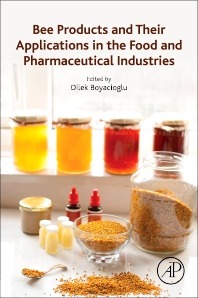
Bee products and their applications in the food and pharmaceutical industries ; 1st ed.
Focuses on the health benefits of selected bee products by looking more closely at their pharmacological potentials and therapeutic applications in coping with various diseases. The book explores some of these products, such as royal jelly, propolis and bee venom, which is highly attractive to the food supplement sector due to the biological actions that are proved by scientific studies. Bee products also attract the cosmetics industry by utilizing those products in various applications such as hair products, toothpaste, sunscreen creams, lip balsams, or facial moisturizing creams. Each chapter focuses on a particular health benefit, providing more compact and detailed information about each activity for a specific interest. The mainframe of the book is based on the medicinal and pharmacological functions of bee products, with the therapeutic applications for each bee product supporting the mechanism of action of their biological functions.
Bee products : Chemical and biological properties
Presents an updated discussion on the chemical composition and biological properties of the main bee products, which until now have been presented separately in different editions This book scoops out studies about bee products most used in marketing and in traditional medicine such as honey, royal jelly, propolis, bee pollen and bee venom Discusses chemical composition and biological function of the different bee products on topics such as nutrition, aging and age-related diseases, cancer, neurodegenerative diseases and pathogen infections Bee products are rich in several essential nutrients and non essential nutrients, as sugars, minerals, proteins, free amino acids, vitamins, enzymes and polyphenols, that seem to be closely related to their biological functions. The effects of these products in nutrition, aging and age-related diseases, cancer, neurodegenerative diseases and pathogen infections are discussed.

Apitherapy and therapeutic properties
Apitherapy is an alternate therapy that relies on the usage of honeybee products, most importantly bee venom for the treatment of many human diseases. Bee venom contains several active molecules such as peptides and enzymes that have advantageous potential in treating inflammation and central nervous system diseases, such as Parkinson’s disease, and Alzheimer’s disease and autoimmume diseases like reumatic and atherosclerosis .Bee venom (BV) is usually associated with pain since, when humans are stung by bees,local inflammation and even an allergic reaction can be produced. It also consists of a mixture of proteins and peptides, including enzymes such as Melittin and phospholipase A2 (PLA2) are the most abundant and studied compounds of BV Stings of hymenoptera can induce IgE-mediated hypersensitivity reactions in venom-allergic patients, ranging from local up to severe systemic reactions and even fatal anaphylaxis. skin is larger than any other organ in humans.
