



Page 1
Page 1

Human semen analysis : From the WHO manual to the clinical management of infertile men
Intended to bridge the gap between the laboratory manual and the clinician by explaining in detail the test indication, its clinical utility, interpretation of results, and presenting a decision algorithm based on the test results. Thebook has 19 chapters grouped under seven sections that follow the chapters of the sixth edition of the WHO manual. Each chapter is written and reviewed by a team of senior clinicians, thus bringing a perspective that is truly clinically relevant. This book will be of great value to all clinicians involved in the management of male infertility and will also be of interest to laboratory scientists involved in semen testing by providing them with clinical perspectives of the test they perform. Human Semen Analysis: From the WHO Manual to the Clinical Management of Infertile Men is a useful guide for utilizing the WHO manual, interpreting test results, and deciding what subsequent clinical actions to take.

Handbook of genetic diagnostic technologies in reproductive medicine : Improving patient success rates and infant health
Different genetic diagnostic and treatment options are used worldwide to improve routine IVF procedures for the benefit of patients. This handbook updates the new genetic diagnostic technologies that have been translated to the clinic, aiming to improve outcomes in the clinic and result in a healthy baby in the home. Chapters cover the use of genetic technologies in a personalized manner to unravel the possible genetic risks for the couple wishing to conceive, in terms of sperm, the embryo, the endometrium, miscarriage, and finally the fetus.

Genetic testing in reproductive medicine
Illustrates the importance and significance of molecular genetic testing in reproductive disorders. The present book covers the genetic testing in various reproductive system anomalies, including disorders of sexual development, male infertility (Y deletions, autosomal mutations, sperm DNA fragmentation), female infertility (PCOS and POF), mitochondrial DNA testing for oocyte quality, recurrent pregnancy loss, pre-term birth, endometrial receptivity, prenatal genetic screening, reproductive carrier screening, preimplantation genetic screening, endometrial cancer, cervical cancer and other related reproductive health disorders. Microbiome testing and its contribution to genetic testing in reproductive medicine are also discussed. Covers ethical, moral and technical challenges in genetic testing in reproductive medicine. The book aims to set up a standard with regard to genetic testing in the reproductive medicine field, encourage further data generation, and provide food for thought in the areas of lacunae.

Dipeptidyl Aminopeptidases : Basic Science and Clinical Applications
Dipeptidyl Aminopeptidases exert a potent modulatory role at an interface between immune mechanisms, metabolic responses, and neuroendocrine pathways. Experimental models and clinical studies addressing the role of these enzymes and the effect of specific inhibitors pave the way to novel therapeutic concepts in immunology, rheumatology, oncology, reproductive medicine and diabetes. Leading experts in the field will contribute to this book, which will present a state-of-the-art view on these enzymes at a time when our understanding of their function is growing ever more rapidly and therapeutic options have become imminent. The sections of the book will focus on various topics including DP IV and related enzymes in: expression and function, metabolic disorders, immune mechanisms and immune disorders, neuronal diseases and cancer, and related drug development.
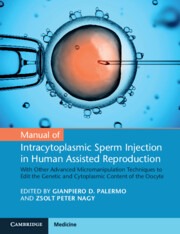
Manual of intracytoplasmic sperm injection in human assisted reproduction
For around half of the couples who have trouble conceiving the cause of infertility is sperm-related. Intracytoplasmic sperm injection (ICSI) is the most common and successful treatment for male infertility. Here, the pioneers for the technique, along with authorities in the field, describe the underlying science of ICSI and other micromanipulation techniques. Practical advice for performing the techniques is covered in depth, including sperm selection, laser-assisted ICSI, and the use of piezo in ICSI. Examining the safety of ICSI in animal models as well as the impact of ICSI on the health and well-being of the children conceived through the procedure is discussed. This manual is an essential resource for clinical embryologists and laboratory personnel wishing to refine or develop techniques and improve outcomes.

Le Distilbène trente ans après : Les enfants des 2èmes et 3èmes générations = Distilbene thirty years later : The children of the 2nd and 3rd generations
The various consequences on the anatomy and physiology of the female genitalia, as well as male, of children exposed in utero are reviewed. The impact on girls is greater than on boys: modification of the uterine cervix, reduction in the volume of the uterus with its consequences on fertility and the progress of pregnancies, risk of cancer of the vagina and the cervix. . The potential repercussions on the third generation are analyzed from experimental studies. Finally, the medico-legal implication is studied from the various trials that took place in the United States and from the first French trial that took place in Nanterre in November 2003. This work is the result of the collaboration of several experts recognized for their competence in this field. It will be of interest to all obstetrician gynecologists, urologists, but also public health physicians and midwives.
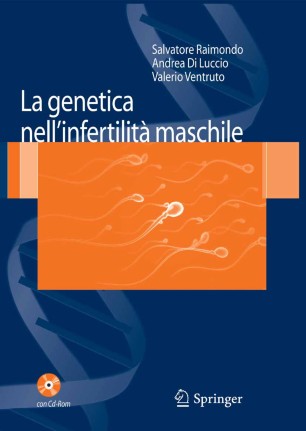
La genetica nell’infertilità maschile = Genetics in male infertility
The notable recent cognitive advances in the field of cytogenetics and molecular genetics have made it possible to identify chromosomal anomalies and gene mutations responsible for numerous male infertility, which were completely ignored until recently. The fact is not without relevance, if the principle is valid that the recognition of the causes of a disease is also the first and necessary approach towards its correct therapy. With this publication, the authors wanted to offer specialists working in the field of assisted reproduction an update on this complex subject, dealing with both genetic causes in male infertility and infertility in genetic diseases.

Care in Healthcare : Reflections on Theory and Practice
This book examines the concept of care and care practices in healthcare from the interdisciplinary perspectives of continental philosophy, care ethics, the social sciences, and anthropology. Areas addressed include dementia care, midwifery, diabetes care, psychiatry, and reproductive medicine. Special attention is paid to ambivalences and tensions within both the concept of care and care practices. Contributions in the first section of the book explore phenomenological and hermeneutic approaches to care and reveal historical precursors to care ethics. Empirical case studies and reflections on care in institutionalised and standardised settings form the second section of the book.
Anthropologies of Global Maternal and Reproductive Health : From Policy Spaces to Sites of Practice
This open access edited book brings together new research on the mechanisms by which maternal and reproductive health policies are formed and implemented in diverse locales around the world, from global policy spaces to sites of practice. The authors – both internationally respected anthropologists and new voices – demonstrate the value of ethnography and the utility of reproduction as a lens through which to generate rich insights into professionals’ and lay people’s intimate encounters with policy.

Abord Clinique en Obstétrique = Clinical approach in Obstetrics
This book aims to clarify and develop the particularities of the clinical examination in obstetrics; it deliberately excludes childbirth and the aftermath of childbirth.
