



Page 1
Page 1

Drug design : A conceptual overview
The newer research areas in pharmaceutical sciences, particularly molecular modeling and simulations, prompted a more efficient drug discovery process. Informatics integrated with pharmaceutical sciences (cheminformatics and bioinformatics) became an essential component of drug research. Drug informatics such as genomics and proteomics assists in the Rational Drug Design (RDD). This emerging discipline is known as “Computer-Aided Drug Design" (CADD), which has profound application in RDD. The advanced and adequate practice in drug design informatics is essential for pharmacy graduates. Hence, a companion for acquiring knowledge on these concepts is vital. The students of B. Pharmacy, M. Pharmacy (Pharmaceutical Chemistry, Pharmacology, and Pharmaceutics), biotechnology, biomedical engineering and other interdisciplinary fields may find this book as a reference guide.

Continuous pharmaceutical processing and process analytical technology
Including aspects of modern process development is highlighted in this book with both the ‘why’ and the ‘how’, emphasizing process modeling and process analytical technologies. Presenting specific case studies and drawing upon extensive experience from industry and academic opinion leaders, this book focuses on the practical aspects of continuous manufacturing. It gives the readers the strategic perspective and technical depth needed to adopt and implement these technologies, where appropriate, in order to gain the competitive edge in speed, agility, and reliability.
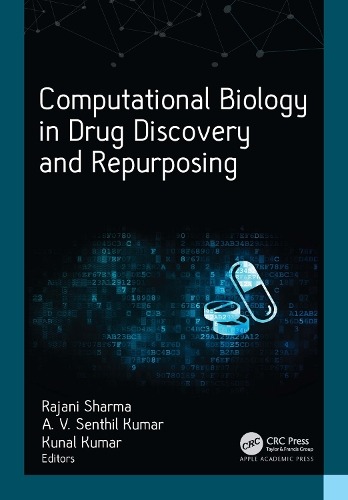
Computational biology in drug discovery and repurposing
Takes an in-depth look at the emerging and prospective field of computational biology and bioinformatics, which possesses the ability to analyze large accumulated biological data collected from sequence analysis of proteins and genes and cell population with an aim to make new predictions pertaining to drug discovery and new biology. The book explains the basic methodology associated with a bioinformatics and computational approach in drug designing. It then goes on to cover the implementation of computational programming, bioinformatics, pharmacophore modeling, biotechnological techniques, and pharmaceutical chemistry in designing drugs. The major advantage of intervention of computer language or programming is to cut down the number of steps and costs in the field of drug designing, reducing the repeating steps and saving time in screening the potent component for drug or vaccine designin
