



Page 1
Page 1

Occlusal splints for painful craniomandibular dysfunction
Bridges that gap, presenting a practical guide for the treatment of craniomandibular dysfunction (CMD)—a functional disorder that affects the muscles of mastication, temporomandibular joints, and/or occlusion—in patients with related pain. The first half of the book provides detailed but simple clinical instructions and examples of occlusal splint therapy, including splint fabrication and coordinative training for painful CMD, based entirely on a high level of evidence. The second half delves deeper into the etiology, advanced diagnostic techniques, neurobiology, and pathophysiology of painful CMD and splint therapy.

Interceptive orthodontic treatment for general dentist
Interceptive orthodontic treatment is a critical component of early orthodontic care, aimed at identifying and addressing developing dentofacial problems during the mixed dentition phase. This project explores the principles, objectives, and clinical applications of interceptive orthodontics, including the management of space discrepancies, eruption disturbances, harmful oral habits, skeletal imbalances, and functional deviations. Emphasis is placed on diagnostic procedures.

Genetic basis of oral health conditions
This book explains the genetic basis of a wide range of dental disorders, including dental caries, periodontitis, congenital anomalies, malocclusions, orofacial pain, dental implant failure, and cancer. The information provided in this book will assist in the delivery of effective personalized dental care through optimization of preventive strategies.

Evidence-based Clinical Orthodontics
Takes an unbiased approach to orthodontics by systematically reviewing the relevant clinical literature and analyzing the scientific evidence to help practitioners select the most effective and efficient modes of treatment. Each chapter addresses a specific topic by summarizing the literature, critically reviewing the evidence, and offering impartial recommendations that can be adopted by clinical practitioners.

Clinical cases in early orthodontic treatment an atlas of when, how, and why to treat
Describes the most common types of malocclusion in children and presents illustrated step-by-step guidance on the procedures employed in their management, with the focus on early intervention. Advice is provided on the challenging decisions of when to start orthodontic treatment and whether to choose a one-phase or a two-phase treatment, taking into account the malocclusion, its severity, and its etiology.

Atlas of orthodontic case reviews
Offers a comprehensive resource to the treatment of orthodontic malocclusions with a case-based approach. Discusses and illustrates the treatment of orthodontic malocclusions using actual clinical casesPresents more than 800 clinical photographs showing the stages of each treatment, to act as a visual referenceIncludes a description of each malocclusion, an explanation of the desired treatment outcomes, an account of the changes, and review questions for each case
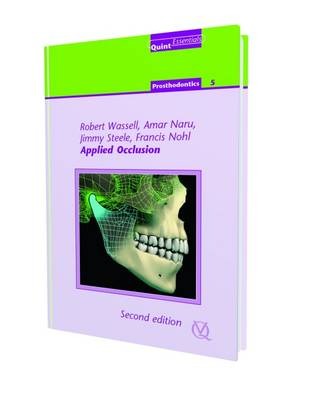
Applied Occlusion : QuintEssentials of Dental Practice ; Vol. 29
Includes many new illustrations, highlighted practical tips, and updates to the text with the most recent advances in the literature. The narrated 3D animations on the accompanying DVD clarify the effects of jaw movement, and comprehensive clinical videos demonstrate the process of investigating and managing real-life occlusal problems. The authors of this practical guide bring occlusal concepts and techniques to life and demystify them for dentists and students alike.
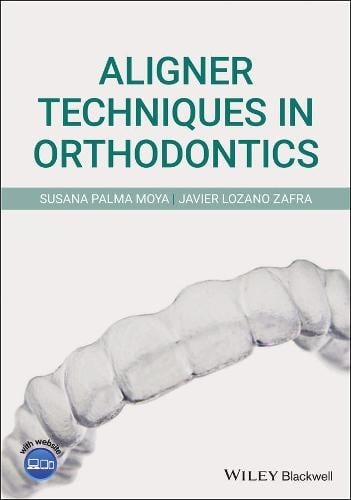
Aligner Techniques in Orthodontics
Filled with the theoretical and practical clinical information on the popular aligner techniques with a focus on Invisalign. Written by practicing orthodontists and noted experts on the topic, the book is designed to help practitioners develop their skills in using aligners in orthodontics. The authors describe in detail the clear and simple methods for treating patients using different aligner techniques, as well as material on treating any given malocclusion.

Aligner systems in invisible orthodontics: basic concepts and clinical management
Describes the processes, techniques and biomechanics involved in providing aligner treatment for different types of malocclusions. It opens with an overview of the material characteristics and the basic concepts of aligner therapy including topics like biocompatibility and intraoral deterioration. The main part of the book is dedicated to the various types of aligners, the methods used in their application and the practical aspects of delivery. It is structured based on the type of malocclusion being managed giving the reader a systematic pattern and a practical way of progressing through the book. The book closes with a discussion of the scientific data available.
