



Page 1
Page 1

Nutrition, chemistry, and health effects of sugar, salt, and milkfat
Covers sugar, salt and milk fat from a chemical perspective, and presents an overview of the role of these ingredients in our food, focusing on their flavors, satiety-inducing properties, nutritional impact, and health effects. The book begins with a chapter devoted to the chemical composition of these taste enhancers and satiety-inducing components, followed by a chapter that sheds light on the persuasive tactics employed by the food industry and their impact on consumer behavior, ultimately discussing the complex relationship between marketing strategies and public health. In Chapter 3, the author presents case studies and explores the nutritional requirements of these ingredients, while considering their physiological effects ad potential implications for human health. In Chapter 4, the author evaluates current consumption patterns and their implications, analyzing trends, policies, and opportunities to shape healthier dietary choices.

Food chemistry : A laboratory manual
FOOD CHEMISTRY A manual designed for Food Chemistry Laboratory courses that meet Institute of Food Technologists undergraduate education standards for degrees in Food Science Every chapter offers introductory summaries of key methodological concepts and interpretations of the results obtained from food experiments. The book provides a supplementary online Instructor’s Guide useful for adopting professors that includes a Solutions Manual and Preparation Manual for laboratory sessions.

Consumer perception of food attributes
Objectives of this book is to summarize recent empirical findings from scholarly works on how consumers value food credence attributes. Such knowledge would benefit producers, processors, retailers, and policy makers. Another objective of this book is to discuss the effectiveness of the programs that have been introduced to strengthen the relationship between producers and consumers. Many programs have been developed to more effectively inform consumers regarding food production processes.
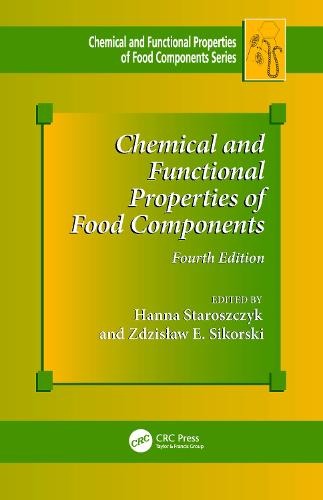
Chemical and functional properties of food components
Described the contents of food raw materials and products, the chemistry/biochemistry of food components, as well as the changes occurring during post-harvest storage and processing affecting the quality of foods. Discusses the role of chemical compounds in the structure of raw materials and the formation of different attributes of food quality, including nutritional value, safety, and sensory properties. It contains four new chapters: “Non-Protein Nitrogenous Compounds”; “Prooxidants and Antioxidants in Food”; “Non-Nutritive Bioactive Compounds in Food of Plant Origin”; and “Analytical Methods Used for Assessing the Quality of Food Products.”
