



Page 1
Page 1

Medicinal plants and antimicrobial therapies
Serves as an excellent comprehensive material covering the current understandings and updates on antimicrobial resistance (AMR) and the use of medicinal plant resources for tackling it. Chapters cover important aspects of AMR and strategies to address this threatening issue with medicinal plants and their resources. One health perspectives for addressing AMR have been presented for the readers. Antimicrobial medicinal plant therapeutic resources including crude extracts, active fractions, pure molecules and essential oils, besides using them as functionalizing agents for nano-antimicrobials have been covered. Further, plant endophytes as a source of antimicrobial compounds have been discussed. Chapters cover both the bactericidal as well as resistance-reversal (or potentiating/ combinatorial therapies) potencies of medicinal plant resources. The book also focuses on how medicinal plant resources effectively target major determinants of AMR.

Handbook of oleoresins : Extraction, characterization, and applications
This is a snapshot of information on oleoresins—production, composition, properties, applications (medicinal & health properties), and more. It is designed to be a practical tool for the various professionals who develop and market spices and oleoresins

Flavours and Fragrances : Chemistry, Bioprocessing and Sustainability
This book is an introduction to the fascinating world of aroma chemicals, essential oils, fragrances and flavour compositions for the food, cosmetics and pharmaceutical industry. The present state-of-the-art technology, the future use of resources and biotechnological approaches for the production of the respective chemical compounds are described. A large section is devoted to the description of the renewable resources of flavours: spice plants, fruits from moderate to tropical climates, vegetables, fermented and heated plants. Analytical methods, such as gas chromatography coupled to human or electronic noses or to a mass spectrometer, are outlined and consumer trends, legal and safety aspects are described. Novel renewable resources come from biotechnology.

Extracting Methods of Essential laurel oil and Fixed oil, Their effects on bacteria
Laurus nobilis is an evergreen plant belonging to the Lauraceae family, native to Southern Europe and the Mediterranean area. This is the report on the composition and bioactivity of laurel essential oil (EO) from leaves and extraction essential oil by two solvents (water and ethanol 69%) using by two devices (Clevenger and evaporator) then we apply the effect of oil and extract on the bacteria. there are some differences between the extraction by water and ethanol . The antibacterial properties of laurel EOs were examined according to the agar well diffusion method The leaf EO showed antibacterial activities against almost all strains of the microorganisms tested, whereas the twig EO was only able to inhibit Staphylococcus aurous and Escherichia coli were the bacterial strains that showed the highest resistance to the laurel EO. The results can benefit the EO industry and bio pesticide development.

Essential oils for dental health : A holistic guide to oral care and treatment
Explores the benefits of and best methods of use for well-known dental care oils such as peppermint, tea-tree, and clove as well as the lesser known oral benefits of oils like cinnamon, manuka, and oregano. Offers many simple practical techniques to easily incorporate essential oils into your daily oral care routine. Includes recommended oil mixtures targeted to alleviate specific dental and oral ailments, such as periodontitis, oral herpes, ulcers, teething, dry mouth, bad breath, teeth grinding, and toothache.

Essential oils as antimicrobial agents in food preservation
As the food industry responds to the increasing consumer demand for green, safe and sustainable products, it is reformulating new products to replace chemical synthetic food additives. Essential Oils as Antimicrobial Agents in Food Preservation provides a comprehensive introduction to the antimicrobial activity of plant essential oils and their application strategies in food preservation. It is aimed at food microbiology experts, food preservation experts, food safety experts, food technicians and students.

Essential oils as antibacterial agents
An alarm increase in the rate of emerging of resistant bacteria have been causing a great public concern worldwide. This problem of increasing resistance has necessitated the search for safe and effective factors that may be used to treat persistent bacterial infections or modify the currently available antibiotics. An experimental approach, using agar diffusion method was used to estimate the antibacterial properties of 5 essential oils (cinnamon, clove, peppermint, rosemary and thyme) each one individually, in pure and commercial form, against 3 of the bacterial strains that cause common skin infections which are gram negative bacteria (Escherichia coli, Pseudomonas aeruginosa) and gram positive bacteria (Staphylococcus aureus), obtained from clinical sources. Only two of the commercial oils had an antibacterial effect on both gram negative bacteria (E. coli) and gram positive bacteria (S. aureus) and in lesser extent on gram negative bacteria (P. aeruginosa).synergy.

Essential oils : sources, production and applications
Essential oils are simply the volatile oils of plants. These are concentrated liquids contain many terpenes, alkaloids and alcohols etc. Various compounds of essential oils have bioactive properties such as antimicrobial, anti-cancer, anti-diabetic, anti-viral and anti-fungal etc. This book describes the sources of essential oils, extraction and production method, characterizing tools, bioactivity, and various applications in the field of industries, daily usage, agriculture, health, and food.

Effect of Clove essential oil and Rosemary aqueous extract for future promising triple acting gel
In this study, antimicrobial properties of rosemary essential oil (Rosmarinus officinalis-REO), rosemary aqueous extract, clove essential oil (Syzygium aromaticum-CEO) and their mixtures (REO/CEO) at 10% and 20% concentration for each one have been evaluated. The agar well diffusion method has been used for screening the antimicrobial activity against Staphylococcus aureus, Staphylococcus albus, Streptococcus, Enterococcus Salmonella, Escherichia coli, Acinetobacter, Pseudomonas aeruginosa, Candida albicans In Staph. Aureus, Salmonella, E.coli, Acinetobacter and p.aeruginosa...
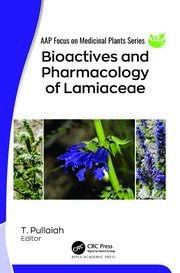
Bioactives and pharmacology of lamiaceae
Provides a wealth of information on plants in the Lamiaceae family, noted for their essential oils and bioactives and pharmacological properties. The chapters investigate a wide variety of species, providing for each an introduction, characteristics, properties, distribution, traditional uses, and current and potential pharmacological applications. Aiming to be a resource for the development of new drugs based on species within the Lamiaceae family, the volume discusses 26 species, including bungleweed (Ajuga), Malabar catmint (Anisomeles malabarica), beechwood (Gmelina arborea), Brazilian mint (Hyptis crenata), rosemary (Rosmarinus officinalis L.), holy basil (Ocimum tenuiflorum), and many more.
