



Page 1
Page 1

Psychoneuroimmunology
Central nervous system (CNS) immune privilege is an experimentally defined phenomenon. Tissues that are rapidly rejected by the immune system when grafted in sites, such as the skin, show prolonged survival when grafted into the CNS. Initially, CNS immune privilege was construed as CNS isolation from the immune system by the blood-brain barrier (BBB), the lack of draining lymphatics, and the apparent non immunocompetence of microglia, the resident CNS macrophage.
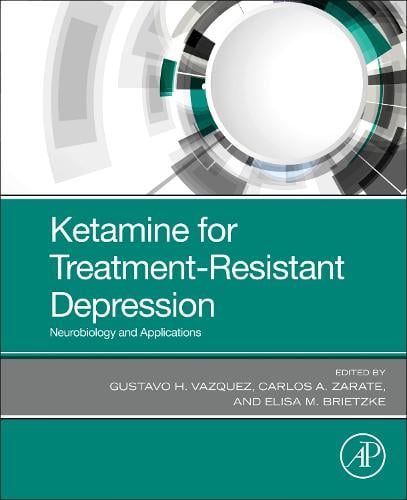
Ketamine for Treatment-Resistant Depression : Neurobiology and Applications
Ketamine for Treatment-Resistant Depression: Neurobiology and Applications provides a simple, evidence-based overview for neuropsychiatrists and translational researchers on this medication, its mechanisms of actions, eligibility of patients for treatment, and the preparation and implementation of ketamine clinics.

Bipolar disorder
Mood" is defined as a ubiquitous and sustained feeling or emotion that dominates a person’s behavior and affects his perception. Mood disorders also known as affective disorders include unipolar and bipolar disorders. Manic-depressive disorder--more contemporarily identified as bipolar disorder (BD)--is a chronic and complex disorder of mood that is characterized by a combination of manic, hypomanic, and depressive episodes, with subsyndromal symptoms extant in between the mood episodes. It is one of the leading causes of worldwide disability and morbidity.
