



Page 1
Page 1

Nutrition of cancer patient
According to world statistics, nutrition is estimated to contribute to about one-third of preventable cancers, nearly the same amount as the contribution of smoking. It is defined as the processes by which living organisms' intake of food and drink is used by the body for fuel, growth, reproduction, and the overall maintenance of health. Thus, sufficient nutritional consumption is essential for well-being. Consequently, it is an important part of life, cancer treatment, recovery, and prevention; eating the necessary nutrients prior to, during, and after a cancer treatment would aid the patient in the recovery process. A healthy diet means a stable nourishment, and includes obtaining sufficient amounts of essential nutrients (vitamins, minerals, protein, carbohydrates, fat, and water) the body needs. Inadequate intake of essential vitamins and minerals might explain the epidemiological findings that people who eat only small amounts of fruits and vegetables have an increased risk of developing cancer.
Nutrition and dietary interventions in cancer
Presents the most up-to-date information on the effects of nutrition and food on cancer prevention and management. The book will provide clinicians and other healthcare practitioners with an educational source on how to educate cancer patients and their families on nutrition and dietary during cancer treatment. Recent nutritional epidemiology studies have occasionally produced controversial or unexpected results and highlight the need for additional research on diet and cancer risk. Chapters within the book focus among others on the role of natural antioxidants in cancer, the importance of micronutrients in cancer prevention and nutritional genomics and their role in cancer prevention.

New pharmacological hypothesis for cancer therapy and treatment
Despite the considerable development of new cancer drugs the mortality remains high and the improvement in survival rate remains poor compared to the number of new concepts of cancer therapy in which we will review in our study and we will focus on two possible reasons for that delay in success such as the limitation of diagnostic tools to perform early detection for the tumor in a stage where it can be well treated or even cured as it is often a silent disease in the start phase of it...

Nanoparticle-Based Drug Delivery in Cancer Treatment
Discusses nanotechnological developments of interfering RNA-based nanoparticles, delivery vehicles, and validated therapeutic RNAi–molecular target interactions and explains the results of clinical and preclinical trials. The book also gives strategies for universal methods of constructing hybrid organic–inorganic nanomaterials that can be widely applied in the biomedical field. Focuses on : Recent advances of nanoparticle-mediated siRNA delivery systems and their application in clinical trials for cancer therapy Material platforms that establish NPs and both localized and controlled gene silencing The most promising systems for clinical application Surveys progress in nanoparticle-based nanomedicine in cancer treatment The most advanced of the nonviral nanocarriers for delivery of oligonucleotides to malignant blood cancer cells

Nanoparticle-based cancer vaccines
Reviews the fundamentals of cancer vaccines, explores the role of nanotechnology in improving vaccine design and delivery, and evaluates current clinical applications, challenges, and regulatory considerations, highlighting the potential of nanoparticle-based cancer vaccines in future cancer treatment.

Multiscale Biomechanics and Tribology of Inorganic and Organic Systems : In memory of Professor Sergey Psakhie
This book gathers authoritative contributions concerning multiscale problems in biomechanics, geomechanics, materials science and tribology. It is written in memory of Sergey Grigorievich Psakhie to feature various aspects of his multifaceted research interests, ranging from theoretical physics, computer modeling of materials and material characterization at the atomic scale, to applications in space industry, medicine and geotectonics, and including organizational, psychological and philosophical aspects of scientific research and teaching as well

Motion Planning in Medicine : Optimization and Simulation Algorithms for Image-Guided Procedures
The monograph written by Ron Alterovitz and Ken Goldberg combines ideas from robotics, physically-based modeling, and operations research to develop new motion planning and optimization algorithms for image-guided medical procedures. A challenge clinicians commonly face is compensating for errors caused by soft tissue deformations that occur when imaging devices or surgical tools physically contact soft tissue. A number of methods are presented which can be applied to a variety of medical procedures, from biopsies to anaesthesia injections to radiation cancer treatment. They can also be extended to address problems outside the context of medical robotics, including nonholonomic motion planning for mobile robots in field or manufacturing environments.

Molecular Targeting in Oncology
In Molecular Targeting in Oncology, authors present an overview of the development of targeted therapies for the treatment of cancer with an emphasis on clinical application. The volume covers the complexity of the rapidly developing area of targeted therapies for the treatment of patients with cancer and is structured in a way so readers may begin with chapters that most interest them and work through the rest of the chapters in the order of their choice. The volume is divided into five sections that cover the most important elements of drug development. The first section focuses on approaches using targeted therapies to inhibit cell growth. The second section describes how clinicians are evaluating targeted therapies in specific organ systems. The third section illustrates how various classes of pharmacologic and immunologic agents are developed for individual molecular targets. The fourth section details new drugs that have novel mechanisms of action. The final section looks to the future of targeted therapeutics and includes chapters on appropriate patient selection, use of combination therapy, dealing with tumor cell resistance, and more. Comprehensive and cutting-edge, Molecular Targeting in Oncology is an essential reference for those working in the field.

Modern cryotherapy as cancer treatment
Despite the new development of cancer therapy we noticed that we still have a high mortality rate and it is of importance to introduce all types of new cancer therapies to our patients in Syria. Cryotherapy is a new old option and first used in skin cancer which we will discuss in our study and we will also a new diagnostic tool for the most aggressive cancer melanoma which may help doctors to identify at which stage we can start with cryotherapy by early detection of that cancer. Breast and prostate cancers are the most common and lethal for women and men respectively however we will also add breast cancer in men, and the application of cryotherapy in such tumors, and our interest about bone tumor was based on the fact of the expanses of bone marrow transplantation in our country so we need many types of cancer therapies to prevent patients from reaching this option.

Medicinal compounds in modern healthcare : From tradition to innovation
Reviews the evolution, development, and application of medicinal compounds, beginning with their historical context and advancing to modern innovations. The book describes the therapeutic potential of bioactive compounds from microorganisms, the role of antioxidants and anti-inflammatory agents in managing chronic diseases, and the use of small molecules in pain management and mental healthcare. It further explores immunomodulatory compounds, epigenetic modifiers, and the latest advancements in drug development, including integrative medicine approaches and the applications of nanotechnology in traditional medicine. Additionally, the book addresses the use of immunomodulatory agents like methotrexate and paclitaxel in cancer treatment, regulatory considerations for ensuring safety and efficacy in medicinal compounds, and the growing field of nutraceuticals. Towards the end, the book covers the extraction, profiling, and ADMET evaluation of medicinal compounds, intellectual property challenges, and the significance of traditional medicine in modern healthcare.

Mathematics for Life Science and Medicine
Dynamical systems theory in mathematical biology has attracted much attention from many scientific directions. The purpose of this volume is to present and discuss the many rich properties of the dynamical systems that appear in life science and medicine. The main topics include cancer treatment, dynamics of paroxysmal tachycardia, vector disease models, epidemic diseases and metapopulations, immune systems, pathogen competition and coexistence and the evolution of virulence and the rapid evolution of viruses within a host. Each chapter will serve to introduce students and scholars to the state-of-the-art in an exciting area, to present new results, and to inspire future contributions to mathematical modeling in life science and medicine.
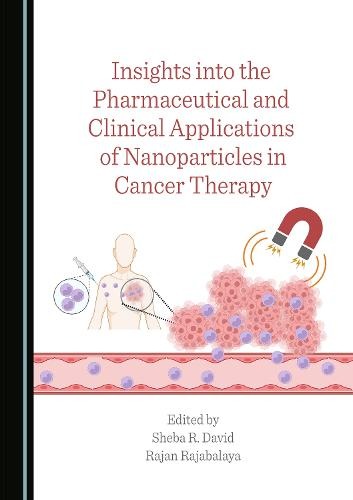
Insights into the pharmaceutical and clinical applications of nanoparticles in cancer therapy
Healthcare has long been on a quest for a ‘magic bullet’ to cure the dreaded disease cancer. As this book shows, nanoparticles perfectly fit the bill with their promising characteristics. Meticulously engineered nanostructures, with a useful drug or molecule, target a specific cancer in unique ways. However, as with many targeted systems, the effectiveness of the system needs to be weighed against the adverse effects. The toxicity of nanoparticles has been a worldwide concern, and evidence-based medicine analyses nanostructures for proof of safety and their efficacy in killing cancer cells. This book gives a fresh perspective on a wealth of diverse nanotechnological advances for various cancers.

In Vivo Imaging of Cancer Therapy
In Vivo Imaging of Cancer Therapy addresses a variety of cutting-edge imaging techniques, including their use for best practice, and provides examples of results found in both pre-clinical and clinical studies. This comprehensive text covers the entire spectrum of in vivo imaging for oncology, including current approaches to detailed anatomic measurements, MR and optical spectroscopy, and molecular imaging techniques requiring exogenously administered imaging agents. The challenges and approaches to quantification are also outlined. The authors describe technologies and methods that are currently clinically available, and many that are still in a developmental stage or useful only in animal studies.

Hyperthermia In Cancer Treatment : A Primer
Following an introductory overview, Hyperthermia In Cancer Treatment: A Primer comprehensively describes the biological reasons for associating hyperthermia with radiation and chemotherapy and the biological and clinical effects of hyperthermia on cancerous and normal tissues. The volume’s 20 chapters are arranged in three principal parts: physical and methodological studies, biologic principles, and clinical studies.

Herbal bioactive-based drug delivery systems ; 1st ed.
Provides a wide-ranging, in-depth resource for herbal bioactives, including detailed discussion of standardization and regulations. The book first explores specific drug delivery systems such as gastrointestinal, ocular, pulmonary, transdermal, and vaginal and rectal. It then discusses novel applications for nano, cosmetics, nutraceuticals, wound healing and cancer treatment. Finally, there is a section focusing on standardization and regulation which includes an enhancement of properties. This book is an essential resource for pharmacologists, pharmaceutical scientists, material scientists, botanists, and all those interested in natural products and drug delivery systems developments.

Glucoszmine and Chondroitin between reality and tllusion
Despite the development of cancer treatments and the introduction of new treatments other than traditional treatments, the death rate is still high around the world for each type of cancer. Although conventional treatments are still common, as a first method in treatment, advanced new treatments have opened new horizon and have shown good efficacy in inhibiting cancer, either by treating them alone or in combination with conventional treatments, such as chemotherapy and radiation therapy. We mention in this research the latest methods of cancer treatment, such as targeted therapies in the treatment of solid cancers and leukemia. and will also mention the annual incidence rates of lines around the world. In cooperation with the head of the hematology division at the Mouwasat Hospital, Dr. Amin Suleiman, we studied cases of CML and MM patients being treated with modern therapies.

Gene Therapy for Cancer
The possibility of treating cancer, a disease defined by genetic defects, by introducing genes targeting these very alterations has led to an immense interest in gene therapy for cancer. Although incremental successes have been realized, enthusiasm for gene therapy has declined due to an increasing number of obstacles. These obstacles include vector systems that do not reach systemic metastases, therapeutic genes with redundant mec- nisms allowing for cellular resistance, and toxicities in clinical trials leading to premature closure of these studies. Different tactics to overcome or circumvent these obstacles have catalyzed the development of a wide range of gene therapy approaches. Thus far, almost two-thirds of gene therapy trials have focused on cancer. This reflects the concept that gene therapy approaches for the treatment of cancer do not necessarily require long-term expression of the gene as is necessary for the treatment of primary genetic defects like hemophilia or juvenile diabetes.

Evaluation of the use of medicine plants in cancer treatment
Turmeric (Curcuma longa) and ginger (Zingiber officinale) have been widely studied for their potential anticancer effects, primarily due to the bioactive compounds curcumin and gingerol. Both compounds exhibit significant therapeutic properties, including anti-inflammatory, antioxidant, pro-apoptotic, and anti-angiogenic activities, which target key pathways implicated in cancer progression, such as NF-κB, STAT-3, and mTOR. Through these mechanisms, curcumin and gingerol inhibit tumor growth, reduce metastasis, and enhance the efficacy of conventional cancer treatments.

Cured II - LENT Cancer Survivorship Research and Education : Late Effects on Normal Tissues
Multimodal treatment lies at the heart of the improvement in cancer cure rates. However, the more aggressive the treatment delivery in terms of dose, time and volume for radiation and chemotherapy, the more adverse effects in normal tissues can be anticipated. Against this background, a major paradigm shift has taken place in that there is a new focus on cancer survivorship. Put another way, there has been a realization that prolongation of life must be accompanied by maintenance of the quality of life: the life worth saving must be worth living.

Constructions of cancer in early Modern England : Ravenous natures
Cancer is perhaps the modern world's most feared disease. Yet, we know relatively little about this malady's history before the nineteenth century. This book provides the first in-depth examination of perceptions of cancerous disease in early modern England. Looking to drama, poetry and polemic as well as medical texts and personal accounts, it contends that early modern people possessed an understanding of cancer which remains recognizable to us today. Many of the ways in which medical practitioners and lay people imagined cancer – as a 'woman's disease' or a 'beast' inside the body – remain strikingly familiar, and they helped to make this disease a byword for treachery and cruelty in discussions of religion, culture and politics. Equally, cancer treatments were among the era's most radical medical and surgical procedures. From buttered frog ointments to agonizing and dangerous surgeries, they raised abiding questions about the nature of disease and the proper role of the medical practitioner.
