



Page 1
Page 1

Neonatal Cranial Ultrasonography
It provides important information on brain maturation in the (preterm) neonate and enables the detection of frequently occurring brain anomalies in both preterm and full term neonates. Furthermore, it can be repeated as often as is necessary. In this edition of Neonatal Cranial Ultrasonography, the focus is on the basics of the technique, from patient preparation through to screening strategies and the classification of abnormalities. Many new ultrasound images have been included to reflect the improvements in image quality since the first edition. Essential information is provided about both the procedure itself and the normal ultrasound anatomy. Standard technique using the anterior fontanelle as the acoustic window is described and illustrated, but emphasis is also placed on the value of supplementary acoustic windows.
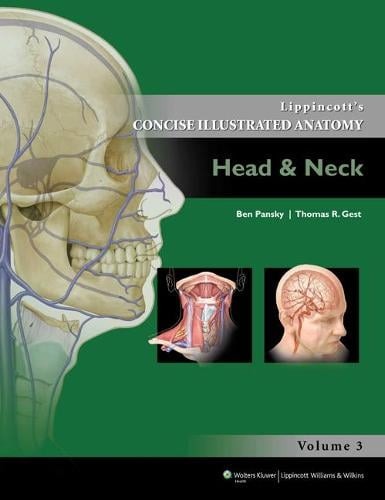
Lippincott's Concise Illustrated Anatomy ; Vol.3
Presents human gross anatomy in an efficient, easy-to-use format by combining core, need-to-know content with detailed atlas-style illustrations. This volume focuses on anatomical structures and functions of the head and neck, and includes clinical considerations concerning these important regions. With artwork adopted from the Lippincott Williams & Wilkins Atlas of Anatomy as well as new illustrations, understanding the functional and clinical relevance of anatomy has never been more at hand!
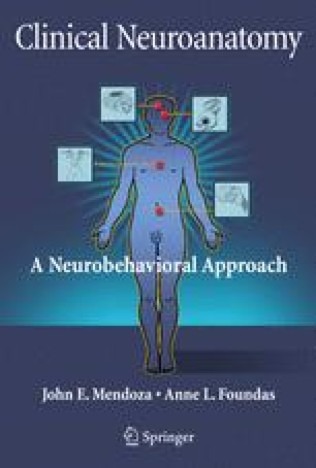
Clinical Neuroanatomy : A Neurobehavioral Approach
This book begins with a traditional review of the basic internal and external morphology, major nerve and fiber tracts, behavioral correlates, and clinical syndromes associated with spinal cord, brain stem, and cerebellum designed to reacquaint students and practicing clinicians with the functional anatomy of the subtentorial central nervous system. However, as the text was specifically geared to meet the needs of those practitioners whose primary interest is in what might be termed "higher order cognitive-behavioral function," the main focus of the text is on the brain itself. Borrowing heavily from a Lurian tradition, the central chapters reflect an attempt to offer more detailed, integrated, and, at times, theoretical models of cortical systems and their internal organization. Additional chapters highlight vascular anatomy and associated pathology, as well as neurochemical systems and their potential clinical relevance.
