



Page 1
Page 1

Molecular mechanisms in nutritional epigenetics
The field of nutritional epigenetics/nutri-epigenetics has expanded significantly, shedding light on how environmentally-driven epigenetic pathways can be modulated through nutrition and eating habits. The book provides a comprehensive introduction to the various epigenetic mechanisms affected by dietary compounds and focuses on specific topics such as the relationship between diet and the gut microbiome, the impact of diet on cardiovascular disease and psychopathology and the role of diet in pregnancy.

Immunity boosting medicinal plants of the Western Himalayas
Presents a comprehensive guide to traditional immunity-boosting medicinal plants of the Himalayas, their traditional uses, phytochemistry, pharmacology, diversity, conversation, biotechnology, toxicology, as well as future prospective. All the chapters cover the latest advances in ethnobotany, phytochemistry, biochemistry, and biotechnology.

Drug Testing in Alternate Biological Specimens
Drug Testing in Alternate Biological Specimens provides researchers and forensic toxicologists with a convenient general text summarizing the state of knowledge today.

Dangerous Pollutants (Xenobiotics) in Urban Water Cycle
The book focused on evaluation of impact of xenobiotics in the whole Urban Water Cycle are an interdisciplinary task which has a rising concern these days. Xenobiotics includes both inorganic elements like heavy metals, metalloids and man-made organic compounds such as pesticides, surfactants, solvents, fragrances, flavours, and pharmaceuticals as well as endocrine dis- pters.

Current Developments in Bioerosion
The book opens with papers on the evolutionary significance of bioerosion, and subsequently ventures out to explore the remarkable diversity of bioerosive biota. From microboring bacteria to grazing echinoids, the studies use a variety of techniques ranging from field observations to sophisticated micro-computed tomography to investigate the ecological and environmental role of these organisms, including symbiotic interactions and alteration of non-carbonate substrates.
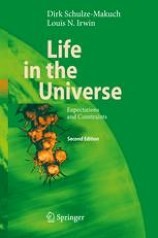
Life in the Universe : Expectations and Constraints
Energy, chemistry, solvents, and habitats -- the basic elements of living systems - define the opportunities and limitations for life on other worlds. This class-tested text examines each of these parameters in crucial depth and makes the argument that life forms we would recognize may be more common in our solar system than many assume. It also considers, however, exotic forms of life that would not have to rely on carbon as basic chemical element, solar energy as a main energy source, or water as primary solvent. Finally the question of detecting bio- and geosignature of such life forms is discussed, ranging from Earth environments to deep space. While speculative considerations in this emerging field of science cannot be avoided, the authors have tried to present their study with the breadth and seriousness that a scientific approach to this issue requires. They seek an operational definition of life and investigate the realm of possibilities that nature offers to realize this very special state of matter and avoid scientific jargon wherever possible to make this intrinsically interdisciplinary subject understandable to a broad range of readers.
Les thérapies ciblées = Targeted therapies
We are at the start of the development of new therapeutic classes, directed against new molecular targets (EGFR, VEGF, IGFR, Rank, etc.) Several diseases such as kidney, colon or breast cancer, GIST, have a natural history now modified thanks to these therapies. This practical book takes stock of the current use of these molecules.
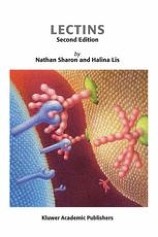
Lectins
In the intervening years well over 10,000 articles have appeared with lectins as the main subject, and more than twice as many in which they were touched upon, as well as around 20 books. In particular, great strides have been made in several areas of lectin research, about which little was known until the late 1980s. One prominent example is animal lectins, many of which have been discovered only during the last decade and the functions of several of which have been clarified, especially as to their key role in innate immunity.
Amino acids and the asymmetry of life : Caught in the act of formation
This book describes how the basic building blocks of life, the amino acids, formed. After a comprehensible introduction into stereochemistry, the author addresses the inherent property of amino acids in living organisms, namely the preference for left-handedness. What was the cause for violation of parity of amino acids in the emergence of life on Earth? All the fascinating models proposed by physicists, chemists and biologist are vividly presented including the scientific conflicts.

Alternatives to Animal Testing : Proceedings of Asian Congress 2016
This book presents recent advances in the pure sciences that are of significance in the quest for alternatives to the use of animals in research and describes a variety of practical applications of the three key guiding principles for the more ethical use of animals in experiments – replacement, reduction, and refinement, collectively known as the 3Rs. Important examples from across the world of implementation of the 3Rs in the testing of cosmetics, chemicals, pesticides, and biologics, including vaccines, are described, with additional information on relevant regulations. The coverage also encompasses emerging approaches to alternative tests and the 3Rs.
Algorithms in Bioinformatics ; 8th International Workshop, WABI 2008, Karlsruhe, Germany, September 15-19, 2008. Proceedings
This book constitutes the refereed proceedings of the 8th International Workshop on Algorithms in Bioinformatics, WABI 2008, held in Karlsruhe, Germany, in September 2008 as part of the ALGO 2008 meeting.
