



Page 1
Page 1

Concrete segmental bridges : Theory, design, and construction to AASHTO LRFD specifications
Presents comprehensive theory, design and key construction methods, with a simple design example based on the AASHTO LRFD Design Specifications for each of the main bridge types. It outlines design techniques and relationships between analytical methods, specifications, theory, design, construction and practice. It combines mathematics and engineering mechanics with the authors’ design and teaching experience.

Concrete - filled steel tubular arch bridges
Discusses the features of composite materials and arch structures. Providing an in-depth fundamental and practical guide to the field, it systemically addresses all aspects of concrete-filled steel tubular (CFST) arch bridges, including a comprehensive overview on technical developments, structural systems, structural detailing, design and analysis, construction technology, and maintenance.
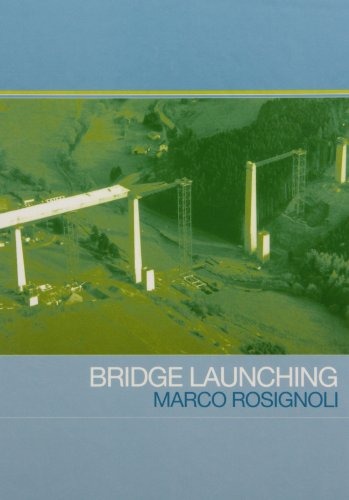
Bridge Launching
It is devoted to bridges that are built by incremental launching methods, using prestressed composite materials. It integrates the static, aesthetic, and economic aspects of construction techniques for building these state-of-the-art structures. Bridge launching is a comprehensive handbook, offering explanations of both the theoretical and technological aspects of the construction process. Both beam bridges and arch bridges are thoroughly analysed,and special theories aimed at optimising static aspects, as well as local phenomena, are developed.
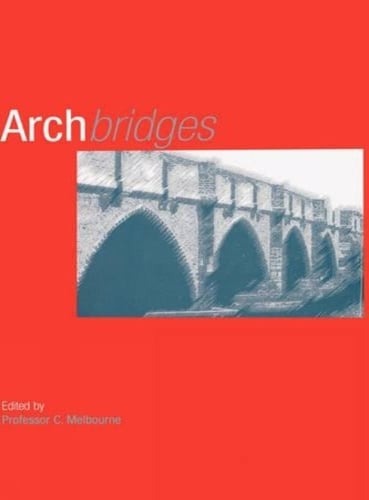
Arch bridges : Proceedings of the first international conference on arch bridges held at Bolton, UK on 3–6 September 1995
In the twentieth century bridge engineers have seen many changes. Advances in technology, materials and engineers understanding of structural behaviour and methods of analysis has presented opportunities for innovation and have led to increasingly sophisticated solutions to the basic problem of providing a bridge over an obstacle. However, despite these innovative technological changes, the masonry arch bridge has shown itself to be a durable, cost-effective structure, tolerant of its modern environment and out-performing many of its competitors.
