



Page 1
Page 1

Odell's clinical problem solving in dentistry
Explores care planning and treatment alternatives and evaluates their advantages and disadvantages as well as medico-legal implications Integrates material from all the dental disciplines in order to cover an extensive range of clinical problems which will be encountered in daily practice A practical approach to learning - includes a large number of real-life clinical cases including those relevant to new techniques and issues such as implantology, use of CAD-CAM, CBCT (cone beam computed tomography) Designed to help the reader use the knowledge gained in a clinically useful, practically applied format Highly visual guide with more than 350 colour illustrations, artwork and tables presenting clinical, diagnostic and practical information in an easy-to-follow structure
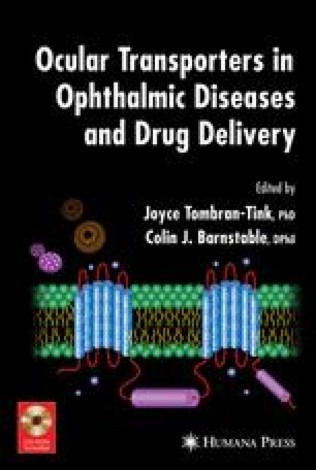
Ocular Transporters in Ophthalmic Diseases and Drug Delivery
This exceptionally important new work represents recent discoveries and advancements in the study of ocular transporters and their roles in ocular physiology, pathology, and drug delivery. Transporters are found on the membranes of cells and play a key role in transmitting signals between cells. In Ocular Transporters in Ophthalmic Diseases and Drug Delivery, a panel of distinguished authors discusses all the latest developments in the study of ocular transporters. Focusing on the molecular characteristics, localization, and substrate specificities in various compartments of the eye, this volume discusses how transporters regulate the clarity of the cornea and lens, the movements of fluids across the ciliary epithelium, and the transport of nutrients across the retinal pigment epithelium. It also provides an in-depth look at how mutations or dysfunction of specific transporters can contribute to various disorders in the eye, including blindness, and provides readers with potential targets and strategies to allow safe passage of therapeutic drugs into the eye.

Ocular Angiogenesis : Diseases, Mechanisms, and Therapeutics
Highlights include illuminating chapters on gene therapy and novel drug delivery systems and excellent summaries of the newest therapeutic approaches. Comprehensive and multidisciplinary, Ocular Angiogenesis: Diseases, Mechanisms, and Therapeutics offers a novel view of the clinical features of pathological angiogenesis in the eye, the molecular and environmental switches that govern vessel growth, and the tremendous opportunities for and progress made in the development of new therapeutics.

Nutraceuticals for the treatment and prevention of sexual disorders
Covers diverse aspects of sexual dysfunctions and the role of nutraceutical therapeutics, applying both traditional knoweldge and modern evidence-based research. The new book focuses on the use of nutraceuticals on sexual disorders, highlighting the working solutions as well as open problems and future challenges in the use of nutraceuticals in sexual disorder research. Disucssing state-of-the-art developments and trends in this field, the book covers the use of antioxidants in stress-induced male infertility, the role of nutraceuticals in prostate cancer, male sex hormone disturbances, and the impact of nutraceuticals on male accessory organs. The book also addresses the use of nutraceuticals on female sexual disorders and remedial measures in treating breast cancer, cervical complications, pregnancy health and disorders, menstrual disturbances, female sex hormones, female infertility, and prevention of vaginal infections. The book also covers the use of nutraceuticals to combat general sexual disorders such as urinogenital complications, geriatric sexual functions, traditional nutraceuticals use for sexual disorders, the use of nutritional spices for sexual disorders, and the role of nutraceuticals on transgendered individuals.

NPY Family of Peptides in Neurobiology, Cardiovascular and Metabolic Disorders : from Genes to Therapeutics
The NPY-family of peptides encompasses several groups of neurotransmitters and hormones, which exert diverse biological and pathological actions that bear on all major vital systems. This book is a unique compilation of the most recent breakthroughs in NPY/PYY neurobiology, cardiovascular and metabolic disorders. The identification of multiple receptors for the members of the NPY and PYY family of peptides provides new opportunities for discovery of specific NPY antagonists and agonists that have vast clinical potential. The recognition of the role of NPY in stimulation of food intake has already resulted in discovery of potent and selective NPY receptor Y-5 antagonists, which are in clinical development for obesity. NPY Y1 receptor antagonists are targeted for cardiovascular indications. Research into the multiple functions of NPY and its receptors in neurological and affective disorders is also actively pursued. The chapters in this book are written by internationally renowned experts with the objective to synthesize leading concepts and data in support for translational medicine.
Novel Carrier Systems for Targeted and Controlled Drug Delivery
Presents novel carrier systems for the targeted and controlled drug delivery for the treatment of various diseases which are difficult to be treated with conventional drug delivery systems like cancer, autoimmune disorders, and emerging infectious diseases. It also reviews the origins and applications of stimuli-responsive polymer systems and polymer therapeutics such as polymer-protein and polymer-drug conjugates. The book also explores the potential applications of the parenteral route of administration for the delivery of active pharmaceutical substances with a narrow therapeutic index and poor bioavailability. Further, the book presents common routes of administration for the systemic delivery of peptides and proteins. It also examines the applications of various implantable systems in drug delivery. The book also covers the important colloidal drug delivery systems, including liposomes and niosomes and solid lipid nanoparticles, and nanostructured lipid carriers.

Non-Vitamin K Antagonist Oral Anticoagulants : A Concise Guide
An essential guide to the medical treatment of thrombosis and presents core principles of anticoagulant therapeutics as well as drug recommendations. Written by recognized experts in the field, this concise, accessible handbook provides a unique and valuable resource in the cardiovascular field, both for those currently in training, and for those already in clinical or research practice.

Non-Surgical Control of Periodontal Diseases : A Comprehensive Handbook
Designed for practicing dental clinicians and students, which includes dental hygienists, general dentists, periodontists, and students of dental hygiene and dentistry who are responsible for treating patients with a broad spectrum of periodontal diseases.

Nitrogen therapy
Cryotherapy: is a surgical method using the application of low temperatures to living tissue, resulting in tissue destruction. It is an extremely valuable alternative to more invasive surgical option because of its cost effectiveness, excellent aesthetic results, and rapid delivery. With proper training, common skin diseases can be treated in a variety of settings, such as ambulatory surgical areas, doctors' offices, and nursing homes.
Next generation probiotics from novel drugs to future therapeutics
Provides a comprehensive and cutting-edge exploration of probiotics as powerful therapeutic agents. With the rapid advancements in the field, this book offers a deep dive into how probiotics are evolving beyond traditional uses, addressing complex health conditions and diseases in modern medicine. By combining the latest scientific research with practical applications, this book equips researchers, clinicians, and healthcare professionals with the knowledge needed to incorporate probiotics into clinical practice and future therapeutic strategies.

New experiment therapies for old disease
Mucorales are fast-growing thermotolerant fungi that are ubiquitous in the environment. They have a worldwide distribution and are commonly found in decaying organic material or agricultural and forest soils (1). Mucormycosis is a group of mould infections caused by fungi in the class previously known as Zygomycetes now renamed Mucormycetes (2).

Neuroblastoma
Neuroblastoma is a medical enigma. As a childhood neoplasm arising from neural crest cells, it is characterized by diverse clinical behaviors ranging from spontaneous remission to rapid tumor progression and death. Although clinical outcome can be predicted to a large extent by the stage of disease and the age at diagnosis, an in-depth understanding of its clinico-pathological behavior, now greatly aided by sophisticated molecular genetic profiling, will improve diagnostic precision and refine risk-based therapies. Comprehensive international efforts have advanced our understanding of tumor biology and improved the clinical management of children with neuroblastoma. This book reviews our current understanding of the genes and biological pathways that contribute to neuroblastoma pathogenesis, modern risk-based treatment approaches for these patients, and recent advances in biologically based therapy. It provides a concise up-to-date reference for practitioners, students, and researchers.

Natural poisons and venoms: Plant toxins : Polyketides, phenylpropanoids and further compounds
Biogenic toxins are fascinating natural products characterized by an enormous diversity of chemical structures and pharmacological activities. They not only pose hazards to humans and animals, but they are important components in the interplay of substances and living beings in nature and, moreover, important sources for new drugs.

Natural poisons and venoms : Animal toxins
Biogenic toxins are fascinating natural products characterized by an enormous diversity of chemical structures and pharmacological activities. They not only pose hazards to humans and animals, but they are important components in the interplay of substances and living beings in nature and, moreover, important sources for new drugs.

National Institute of Allergy and Infectious Diseases, NIH ; Vol.1 : Frontiers in Research
National Institute of Allergy and Infectious Diseases, NIH: Volume 1, Frontiers in Research contains presentations given at the 2006 NIAID Research Conference held in Opatija, Croatia which brought internationally known researchers from the United States and Central and Eastern Europe to focus together on shared interests in microbiology, infectious disease, HIV/AIDS, and basic and clinical immunology. Some of the topics covered include emerging and re-emerging infections, the development of infectious disease prophylactics and therapeutics, drug resistance, and various topics in immunomodulation, autoimmunity, infections and immunity, and the development of vaccines.Extensive and in-depth, National Institute of Allergy and Infectious Diseases, NIH: Volume 1, Frontiers in Research is a valuable, comprehensive guide to the state of research today.

Nanotechnology in therapeutics : Basics and trends
Nanotechnology delivers a unique approach, which promises higher drug efficacy, targeted drug delivery, on demand delivery, biocompatibility, etc. For example, nanotechnology-based delivery systems can protect drugs from degradation and help reduce the number of doses required, make treatment a better experience and reduce treatment expenses and a number of nano-based systems allow delivery of insoluble drugs, allowing the use of previously rejected drugs or drugs which are difficult to administer.

Nanomedicine : Innovations, applications, and breakthroughs in the quest for health and medicine's future
Revolutionizing healthcare, by providing innovative solutions to some of the most challenging issues in medicine. This book provides an in-depth overview of nanoscale materials and devices that are advancing diagnostics, therapeutics, and personalized care in medical field. It focuses on nanomedicine’s impact on vaccine efficacy as well as innovative diagnosis and therapy for various type of cancer while addressing concerns about safety and toxicity. It examines how nanotechnology is enhancing drug delivery by precisely targeting medicines to specific cells or tissues, thereby increasing treatment efficacy with reduced side effects. Explores how nanoparticles are advancing medical imaging for earlier and more accurate disease detection, and how nanosensors allow real-time biomarker monitoring for faster and more reliable diagnoses. Additionally, it explores nanomedicine's role in managing cardiovascular diseases, improving bone health through nano-extracellular vesicles, and regenerative medicine, including ongoing clinical trials and ethical considerations.
Nanomaterials in dental medicine
Presents varied clinical applications of nanomaterials in dentistry ranging from diagnostics to therapeutics. it discusses role of nanomaterials in clinical applications and future needs. Contributors are international luminaries in their respective research area. The topics covered in this book are role of nanomaterials in oral and dental diagnosis, dental disease prevention, pain free dentistry, dental implantology. It also discusses the therapeutic applications of nanoparticles in oral cancer therapy. This book will be a valuable reference for researchers, clinicians, students and professionals working in the areas of nanotechnology and health sciences. It will also be of interest to the students and researchers primarily working in the field of materials science, applied chemistry, applied physics, and biotechnology.

Nanomaterials in clinical therapeutics : Synthesis and applications
Nanotechnology-based applications is a rapidly growing field encompassing a diverse range of disciplines that impact our daily lives. Nanotechnology is being used to carry out large-scale reactions in practically every field of biotechnology and healthcare. The incredible progress being made in these applications is particularly true for the healthcare sector, where they are used in cancer detection and treatment, medical implants, tissue engineering, and so forth. Expansions in this discipline are expected to continue in the future, resulting in the creation of a variety of life-saving medical technology and treatment procedures.

Molecular Targeting in Oncology
In Molecular Targeting in Oncology, authors present an overview of the development of targeted therapies for the treatment of cancer with an emphasis on clinical application. The volume covers the complexity of the rapidly developing area of targeted therapies for the treatment of patients with cancer and is structured in a way so readers may begin with chapters that most interest them and work through the rest of the chapters in the order of their choice. The volume is divided into five sections that cover the most important elements of drug development. The first section focuses on approaches using targeted therapies to inhibit cell growth. The second section describes how clinicians are evaluating targeted therapies in specific organ systems. The third section illustrates how various classes of pharmacologic and immunologic agents are developed for individual molecular targets. The fourth section details new drugs that have novel mechanisms of action. The final section looks to the future of targeted therapeutics and includes chapters on appropriate patient selection, use of combination therapy, dealing with tumor cell resistance, and more. Comprehensive and cutting-edge, Molecular Targeting in Oncology is an essential reference for those working in the field.
