



Page 9
Page 9

Oral and maxillofacial pathology : A rationale for diagnosis and treatment
Covers the vast array of conditions that oral and maxillofacial surgeons need to be prepared to identify and treat, ranging from common reactive disorders to carcinoma to rare salivary gland neoplasms to malignancies of bone. In addition to its clinical presentation, each disease entity includes its pathogenesis, differential diagnosis, diagnostic work-up, histopathology, treatment, and prognosis, offering the reader the complete context necessary for understanding and managing it.

Optimal pain management for the dental team
A concise guide to the correct diagnosis and management of dental pain and anxiety. It covers psychology theories about pain, dentine sensitivity, hypersensitivity and cracked tooth syndrome. Chronic pain, temporomandibular disorders and local anesthesia are discussed, and optimal medical and perioperative pain management explained. The book is written by leading experts in the field and provides an up to date, pragmatic perspective on optimizing pain and anxiety management in the dental patient. It includes an overview of differential diagnoses of non-odontogenic orofacial pain.

Optic Nerve Disorders : Diagnosis and Management
Provides a practical reference book focusing only on common optic nerve disorders. This book is organized by optic nerve diagnoses commonly encountered in a neuro-ophthalmologic practice. It is written in a clear, concise style for quick, easy reference in the clinic.

Ophthalmologic Drug Guide
Ophthalmology has long been considered a surgical area because so many disorders/diseases are treated surgically rather than medically. In the past ten years, however, there have been considerable therapeutic breakthroughs in non-surgical treatments. For instance, anti-glaucoma agents have becoming increasingly effective. This edition will include a new chapter for retinal disease. There are now several pharmaceutical agents being used to treat these diseases. Specifically, age-related macular degeneration has many new products – macugen, lucentis, etc. – and intraocular infections are primarily treated with intravitreal medications. Additionally, the anti-allergy and dry eye markets have grown tremendously in the last 2-3 years (endura, restasis, xibrom, etc).

Operative Neuromodulation ; Vol.2 : Neural Networks Surgery
Neuromodulation is a rapidly evolving multidisciplinary biomedical and biotechnological field.This volume present the state-of-the-art in established and emerging applications for pain, spasticity, movement disorders, bladder and bowel dysfunction, cardiovascular disease, epilepsy, psychiatric illness, impairment of hearing and vision, and computational neuromodulation. Experts describe the neural networks involved and the appropriate surgical approaches, provide clinical guidelines, technical descriptions of implanted devices, proposals for refinements and personal views on future prospects of the field. It also describes the techniques and procedures applied by direct a) contact with the central nervous system or cranial nerves, in order to modulate the function of neural networks as in the case of motor cortext stimulation for pain or vagus nerve stimulation for epilepsy, or b) in deeply located structures inside the nervous system, in order to alter the function on specific networks as in the case of deep brain stimulation for Parkinson’s disease.

Operative Neuromodulation ; Vol.1 : Functional Neuroprosthetic Surgery. An Introduction
Neuromodulation is a rapidly evolving multidisciplinary biomedical and biotechnological field. The two volumes present the state-of-the-art in established and emerging applications for pain, spasticity, movement disorders, bladder and bowel dysfunction, cardiovascular disease, epilepsy, psychiatric illness, impairment of hearing and vision, and computational neuromodulation. Experts describe the neural networks involved and the appropriate surgical approaches, provide clinical guidelines, technical descriptions of implanted devices, proposals for refinements and personal views on future prospects of the field. Volume I describes techniques and procedures applied in internal contact with non-neural tissues surrounding the nervous system (dura or cerebrospinal fluid), as in the case of epidural stimulation for pain, etc. or intrathecal drug application for the treatment of spasticity and pain. There is also a special section on non-invasive functional neuroprosthetic systems, which are usually applied by transcutaneous contact with the nervous system.

Olfactory knows the truth
Olfaction, the sense of smell detects and discriminate odors as well as social cues which influence our innate responses. The olfactory system in human beings is found to be weak as compared to other animals; however, it seems to be very precise. It can detect and discriminate millions of chemical moieties (odorants) even in minuscule quantities. The sense of smell is greatly underappreciated, despite the fact that it monitors the intake of airborne agents into the human respiratory system and determine to a large degree the flavor and palatability of foods and beverage. In addition to enhancing quality of life, this primary sensory system warns of spoiled foods, leaking natural gas, polluted air and smoke, and mediates basic elements of communication (e.g., mother-infant interaction). It is now apparent that smell dysfunction is among the first clinical signs of such neurodegenerative diseases as Alzheimer’s disease and sporadic Parkinson’s disease.

Office Andrology
The investigation and management of male infertility can be a formidable diagnostic challenge to family physicians, urologists, and reproductive specialists alike. In Office Andrology, noted clinical physicians and scientists have joined forces to create a comprehensive resource guide to current diagnostic and treatment options for a broad spectrum of clinical issues relevant to male infertility disorders. Topics covered range from basic sperm biology and male reproductive endocrinology, to immunology, specialized sperm testing, and the genetic background to male infertility. Although emphasis is on the investigation, diagnostic testing, and management of the infertile male, controversial medical and surgical treatment options are also fully discussed. For the reproductive specialist, the text thoughtfully reviews such timely issues as gender selection, human immunodeficiency virus-discordance couples, and posthumous reproduction. Other topics of interest include laboratory accreditation, vasectomy reversal, ethical and legal considerations of donor insemination, optimizing success in a donor insemination program, and strategic therapies for ejaculatory disorders and erectile dysfunction in infertile men.
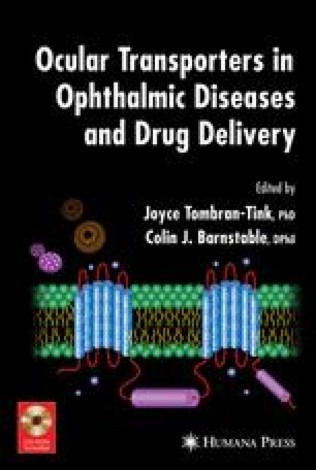
Ocular Transporters in Ophthalmic Diseases and Drug Delivery
This exceptionally important new work represents recent discoveries and advancements in the study of ocular transporters and their roles in ocular physiology, pathology, and drug delivery. Transporters are found on the membranes of cells and play a key role in transmitting signals between cells. In Ocular Transporters in Ophthalmic Diseases and Drug Delivery, a panel of distinguished authors discusses all the latest developments in the study of ocular transporters. Focusing on the molecular characteristics, localization, and substrate specificities in various compartments of the eye, this volume discusses how transporters regulate the clarity of the cornea and lens, the movements of fluids across the ciliary epithelium, and the transport of nutrients across the retinal pigment epithelium. It also provides an in-depth look at how mutations or dysfunction of specific transporters can contribute to various disorders in the eye, including blindness, and provides readers with potential targets and strategies to allow safe passage of therapeutic drugs into the eye.

Occlusal splints for painful craniomandibular dysfunction
Bridges that gap, presenting a practical guide for the treatment of craniomandibular dysfunction (CMD)—a functional disorder that affects the muscles of mastication, temporomandibular joints, and/or occlusion—in patients with related pain. The first half of the book provides detailed but simple clinical instructions and examples of occlusal splint therapy, including splint fabrication and coordinative training for painful CMD, based entirely on a high level of evidence. The second half delves deeper into the etiology, advanced diagnostic techniques, neurobiology, and pathophysiology of painful CMD and splint therapy.

Nutritional psychiatry : A primer for clinicians
There is increasing evidence that mental health problems such as schizophrenia, depression and anxiety are linked with poor nutrition. At present, very few psychiatrists provide nutritional advice for their patients, despite such advice complimenting drug and psychological therapies. This edited volume is the first book to provide a comprehensive overview of the relationship between nutrition and mental health, for mental health professionals. Featuring contributions from leading authorities in the field, the book examines the link between diet and the microbiome-gut brain axis and how this correlates with a variety of psychiatric disorders. The book explores how enhancing the beneficial bacteria in the gut, through the use of psychobiotics, prebiotics or dietary change can improve mood and reduce anxiety.

Nutritional psychiatry
Provides a comprehensive overview of nutritional psychiatry, elucidating its theoretical foundations, the biological mechanisms linking diet to mental health (including inflammation, oxidative stress, disrupted energy metabolism the gut–brain axis and other implicated pathways), and the current evidence base for dietary impacts on major psychiatric disorders such as depression, anxiety, schizophrenia, bipolar disorder, and ADHD.

Nutrition, diet and healthy aging
Over the last 100 years, the numerous advances in science, the improved sanitary conditions and a decline in poverty have led to an increase in life expectancy. As a result, in the coming years, the number of over-65s will triple, and the over-80s will be the fastest growing portion of the population. However, an increased lifespan is associated with an increase in chronic diseases, such as cardiovascular disease, diabetes, cancer, sarcopenia, and degenerative disorders. Therefore, ideally, increased lifespan should be associated to a better healthspan, which is the period one individual is living in good health

Nutrigenomics and nutraceuticals
Provides an authoritative and comprehensive overview of the field of nutraceuticals and genomics—also called nutrigenomics, a rapidly growing field. It discusses both nutrigenomic and nutrigenetic techniques to investigate the nutritional basis of several health disorders because scientists have found that diet can affect gene expression. The book covers the nutrigenomic tools for the prevention of disease conditions such as cancer, viral infection, microbial infection, COVID-19, HIV/AIDS, tuberculosis, hypertension, neurodegenerative disease, obesity, baldness, and anemia. Some nutrigenomic tools that can also be used for brain health, weight loss, human nutrition, skin care, and maintaining health during pregnancy are also explored.
Nutraceuticals in respiratory and pulmonary diseases
Explores nutraceuticals that have been found to be effective in managing and treating respiratory and pulmonary diseases. It explains nutritional supplements that function as adjuvants for respiratory health and which may be useful targets for developing innovative nutraceutical-active respiratory products. The book also discusses the role of vitamins, minerals, and functional foods in the prevention and treatment of respiratory illnesses such as asthma, bronchitis, airway constriction, chronic obstructive pulmonary disorder (COPD), etc. It also explores the potential role of various herbs and foods in the treatment of lung illnesses through the Ayurvedic practices. The effectiveness of various natural and dietary supplements as well as plant and animal-based nutritional supplements for respiratory health are also considered.

Nutraceuticals in insomnia and sleep problems
Sleep is one of the most important and crucial physiological needs for maintaining a healthy life. However, in today’s day and age, insomnia and other sleep disorders, such as sleep apnea, are increasing rapidly. This new book details the nutraceuticals from foods that help to promote good health and optimum sleep. The authors discuss the importance of sleep, the role of diet in sleep, the role of specific vitamins and minerals, amino acids and opioids as nutraceuticals for sleep, newer technologies for use and delivery of nutraceuticals for treating insomnia, and more. The book not only explores nutraceuticals that promote optimum sleep but also details foods that cause insomnia, such as processed, chemical-rich, and refined foods. Chapters also cover commensal and symbiotic microbes, microbial metabolites, and bacteriocins and their impact on sleep. A chapter on the ethical issues related to addiction to nutraceuticals for sleep induction is also included.

Nutraceuticals for the treatment and prevention of sexual disorders
Covers diverse aspects of sexual dysfunctions and the role of nutraceutical therapeutics, applying both traditional knoweldge and modern evidence-based research. The new book focuses on the use of nutraceuticals on sexual disorders, highlighting the working solutions as well as open problems and future challenges in the use of nutraceuticals in sexual disorder research. Disucssing state-of-the-art developments and trends in this field, the book covers the use of antioxidants in stress-induced male infertility, the role of nutraceuticals in prostate cancer, male sex hormone disturbances, and the impact of nutraceuticals on male accessory organs. The book also addresses the use of nutraceuticals on female sexual disorders and remedial measures in treating breast cancer, cervical complications, pregnancy health and disorders, menstrual disturbances, female sex hormones, female infertility, and prevention of vaginal infections. The book also covers the use of nutraceuticals to combat general sexual disorders such as urinogenital complications, geriatric sexual functions, traditional nutraceuticals use for sexual disorders, the use of nutritional spices for sexual disorders, and the role of nutraceuticals on transgendered individuals.

Nutraceuticals and bone health
Here is an informative volume on the importance of nutraceuticals and herbal remedies for bone health. It explains the probable mechanisms of nutraceuticals for the prevention, treatment, and management of bone-related diseases as well as their curable effects on bone injuries. The volume covers the progression and development of bones, which is a multifaceted process that requires an endless and ample supply of nutrients, such as calcium, phosphorus, potassium, protein, vitamin D, magnesium, and fluoride. The book delves into the beneficial effects of nutraceuticals on overall bone health and for the treatment of bone disorders such as osteoporosis, bone fractures, scoliosis and related complications, rheumatoid arthritis, Paget’s disease, bursitis, gout, and carpal tunnel syndrome. It also addresses the use of nutraceuticals for inflammatory deformities and rickets.
Nutraceutical fruits : Overview and disease prevention
While nutritional supplements have enormous advantages, food ingredients such as fruits and vegetables can play a significant preventative and therapeutic role in our daily lives. Fruits are found to have anti-inflammatory, antibacterial, antifungal, and chemopreventive properties that can boost health, as well as prevent diseases. This new book explores the use of fruits as nutraceuticals for alternative treatment, as well as for disease prevention. It looks at how nutraceutical fruits can be used to prevent and manage a range of diseases that include mental illness, cancer, respiratory and lung diseases, cardiovascular diseases, liver disease, inflammatory bowel diseases, sleep disorders, etc. The book also looks at the roles of nutraceutical fruits in the metabolic syndrome and provides information regarding the safety and toxicity of neutraceutical fruits.

NPY Family of Peptides in Neurobiology, Cardiovascular and Metabolic Disorders : from Genes to Therapeutics
The NPY-family of peptides encompasses several groups of neurotransmitters and hormones, which exert diverse biological and pathological actions that bear on all major vital systems. This book is a unique compilation of the most recent breakthroughs in NPY/PYY neurobiology, cardiovascular and metabolic disorders. The identification of multiple receptors for the members of the NPY and PYY family of peptides provides new opportunities for discovery of specific NPY antagonists and agonists that have vast clinical potential. The recognition of the role of NPY in stimulation of food intake has already resulted in discovery of potent and selective NPY receptor Y-5 antagonists, which are in clinical development for obesity. NPY Y1 receptor antagonists are targeted for cardiovascular indications. Research into the multiple functions of NPY and its receptors in neurological and affective disorders is also actively pursued. The chapters in this book are written by internationally renowned experts with the objective to synthesize leading concepts and data in support for translational medicine.
