



Page 70
Page 70
Cancer Prevention
This volume contains the main proceedings of the fourth international conference on "Cancer Prevention 2006," which was held during February 16–18, 2006, in St. Gallen, Switzerland. Written by international experts in the field, the book comprises a comprehensive update on the most recent developments in the upsurging fields of molecular biology and cancer genetics and their interactions with clinical epidemiology and cancer prevention at various levels: genetic/biologic predisposition and definition of high-risk groups; preclinical models and tumor prevention; prospects of surrogate endpoints and biomarkers; progress in imaging and detection of neoplastic precursor lesions.
Cancer Neurology in Clinical Practice : Neurologic Complications of Cancer and Its Treatment
This book gives a comprehensive analysis of how cancer affects the nervous system, It encompasses the experience of senior physicians actively engaged in neuro-oncology centers throughout the world.
Cancer Metastasis and the Lymphovascular System : Basis for Rational Therapy
Sentinel lymph node (SLN) procedures have opened a window of opportunity for the study of micrometastasis. In eighty percent (80%) of metastasis there lies an orderly pattern of progression via the lymphatic network, while 20% of the time systemic metastasis occurs, bypassing the lymphatic system. During the past two decades, significant progress has been achieved in understanding the anatomical, functional, cellular and molecular aspects of the lymphovascular system and the metastasis process.Molecular imaging advances help to localize early cancers more precisely.
Cancer Informatics in the Post Genomic Era : Toward Information-Based Medicine
Medical information science requires analytic tools. This is achieved by developing and assessing methods and systems for the acquisition, processing, and interpretation of patient data, aided by scientific discovery. Cancer Informatics in Post-Genomic Era provides both the necessary methodology and practical information tools.Key challenges include integrating research and clinical care, sharing data, and establishing partnerships within and across sectors of patient diagnosis and treatment.Addressing important clinical questions in cancer research will benefit from expanding computational biology.
Cancer in the Spine : Comprehensive Care
In Cancer in the Spine: Comprehensive Care, distinguished physicians and researchers from prestigious cancer centers around the world critically examine current trends and innovations in spinal cancer management. Detailing both the fundamental principles of diagnosis and treatment planning, and the cutting-edge techniques of tumor treatment, these experts bring together in one volume a guide to coordinated management of all aspects of cancer in the spine.

Cancer in the Arab World
Over the past few decades, the Arab world has witnessed a swift evolution in healthcare provision. Nonetheless, Arab countries have considerable variability in economic capabilities, resource allocation, and intellectual talent that inevitably reflect on access to modern cancer care and prevention. This book is authored by experts from the Arab world who provide vital information on cancer statistics and risk factors, available clinical care pathways and infrastructure, and prevention programs in their individual countries. The chapters also address specific challenges in each country and insights into future directions to achieve optimal care with conventional and novel diagnostics and therapies to keep up with the era of precision medicine.
Cancer in adolescents and young adults
The chapters highlight the initial efforts of this Committee in addressing the scope of the problem of adolescent and young adult underrepresentation in clinical trials and offer evidence that such adiscrepancy may partially explain outcome differences.In addition, these chapters present information about biologic differences between specific cancer subtypes most common in younger children and those exhibited by the same cancers in adolescents and young adults, and offer plausible explanations for outcome differences as well as potential treatment strategies.
Cancer immunotherapy : Methods and protocols
Details multiple areas of new and emerging methods to develop the next generation of immunotherapy treatments. Chapters guide readers through analysis and characterisation of the interactions between tumour and immune cells, and cell engineering tools for cancer treatment, to provide a unique and compelling set of techniques instrumental to work with, and engineer, immune cells. Written in the highly successful Methods in Molecular Biology series format, chapters include introductions to their respective topics, lists of the necessary materials and reagents, step-by-step, readily reproducible laboratory protocols, and tips on troubleshooting and avoiding known pitfalls.

Cancer immunotherapy
Defining Cancer as a disease in which some of the body's cells grow uncontrollably and spread to other parts of the body, making it an enormous medical and economic burden accounting for 9.6 million deaths in 2018. Cancer treatments were being introduced for a long time. The development of specific therapies to treat cancer really depends on the continued discovery of the molecular changes that lead to the malignant progression of human cancers. More and more drugs are being developed to block cancer pathways that lead to impaired growth and survival of cancer cells. In this dissertation, the concept of cellular and immunotherapy of cancer will be discussed briefly, taking into considerations the mechanisms of action, the advantages, challenges and drawbacks of the different types of monoclonal antibodies and CAR T-Cell therapy.
Cancer grading manual
Cancer Grading Manual addresses all histopathologic aspects of tumor pathology essential for grading of tumors. It discusses the history and basic tenets of tumor grading; principles of microscopic grading of tumors; ancillary methods currently used to improve tumor grading; and new techniques used in evaluating tumors and formulating prognosis. It is designed to be a practice-oriented, concise and well-illustrated resource for diagnostic surgical pathologists and pathology residents.
Cancer Gene Therapy
the authors comprehensively review the anticancer genes and gene delivery methods currently available for cancer gene therapy, including the transfer of genetic material into the cancer cells, stimulation of the immune system to recognize and eliminate cancer cells, and the targeting of the nonmalignant stromal cells that support their growth. They also thoroughly examine the advantages and limitations of the different therapies and detail strategies to overcome obstacles to their clinical implementation
Cancer du testicule = Testicular cancer
Testicular cancer has benefited from important therapeutic advances radically transforming its prognosis. Recent protocols have led to the development of treatments that maintain therapeutic efficacy while favoring quality of life and minimizing the sequelae (such as fertility disorders) in these often young men. This book discusses the various technical advances both in the field of diagnosis - with the contribution of modern imaging and anatomopathology - and therapy. The place of chemotherapy as well as that of surgery are largely detailed, thus placing the urologist at the heart of the multidisciplinary team taking care of these patients. Quality of life is also discussed by taking into account the impact of the treatment of these tumors on the fertility of these young patients.
Cancer du sujet âgé = Cancer in the elderly
Etablir un diagnostic précoce, définir une stratégie adaptée et offrir une meilleure qualité de vie chez le sujet âgé atteint de cancer constituent les défis de l’Oncologie de ce début de siècle. Cet ouvrage a pour objectif de proposer aux médecins et aux étudiants un condensé des différents aspects de l’oncologie sur le sujet âgé. Dans une première partie, les aspects épidémiologiques et biologiques ainsi que l’évaluation gériatrique multiparamétrique sont abordés. Les particularités de l’application de la chimiothérapie, de la radiothérapie et de la chirurgie au sujet âgé sont passées en revue. Dans une troisième partie, la stratégie thérapeutique multidisciplinaire est ensuite détaillée par site.
Cancer du sein avancé : 29es Journées de la Société Française de Sénologie et Pathologie Mammaire (SFSPM) Avignon, 14–16 novembre 2007 = Advanced breast cancer : 29th Days of the French Society of Senology and Breast Pathology (SFSPM) Avignon, November 14–16, 2007
These days are an opportunity to remind and persuade those less convinced that the treatment of this very particular phase of the disease is not limited to a score played by a few speakers or even by medical oncologists alone; but on the contrary, we must bring into play a truly philharmonic polyphonic ensemble, united around the patient and comprising all the players in multidisciplinary care: general practitioner, surgeon, radiotherapist, imaging specialist, gynecologist, general practitioner, psychologist, algologist, supportive care workers ...

Cancer du sein ; Compte rendu du cours supérieur francophone de cancérologie (Saint-Paul-de-V Vence, ence, 18–20 janvier 2007) = Breast cancer : Proceedings of the French-speaking oncology higher course (Saint-Paul-de-V Vence, ence, 18–20 January 2007)
Durant les deux premières journées, toutes les étapes importantes de la prise en charge des cancers du sein ont été déclinées. L’analyse du risque de voir survenir un cancer du sein a été explorée dans sa diversité suivie par les résultats du dépistage organisé et les problèmes du diagnostic. Les traitements locorégionaux ont précédé les traitements adjuvants sans oublier les patientes dont la tumeur présentait une hyperexpression de HER2. Une session a été consacrée aux cancers métastatiques et une autre aux personnes âgées. Comme à chaque cours, nous nous sommes penchés sur l’avenir en dissertant sur la classification moléculaire et sur le passé avec la très belle conférence du Pr David Khayat sur le bilan du Plan Cancer.

Cancer du sein ; Compte rendu cours supérieur francophone de cancérologie, (Saint-Paul-de-Vence 13-15 Janvier 2005) = Breast cancer ; Report on the advanced French-language course in oncology, (Saint-Paul-de-Vence, January 13-15, 2005)
In January 2005, the 9th Cours de Saint-Paul-de-Vence, devoted to Breast Cancer, was dominated by the establishment of "Recommendations for Clinical Practice". The five subjects of these recommendations, such as the management of the axillary cavity, neo-adjuvant treatments, the management of patients whose tumor overexpresses HER2, adjuvant hormone therapy and finally adjuvant chemotherapy have been widely discussed. As in each course, certain essential fields were treated such as organized screening, conventional radiology and MRI, prognostic and predictive factors. Ductal cancers and lobular cancers have been compared in a remarkable way in three papers which were produced by the Saint-Cloud school. Data on in situ cancers have been updated. Finally, advice was given for the use of the various standards, whether local, regional or national.R2, l¹hormonothérapie adjuvante et enfin la chimiothérapie adjuvante ont été largement abordés.
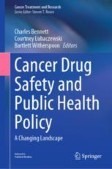
Cancer drug safety and public health policy : A changing landscape
Description and analysis of recent developments and current trends in health policy with regard to cancer drug safety. Opens with an overview of pharmacovigilance for cancer blockbuster drugs, covering both general considerations and efforts to develop a structured framework for the identification and reporting of adverse drug reactions (ADRs). A number of important examples of serious ADRs to hematology and oncology drugs are then reviewed, with evaluation of the lessons learned and the policy implications of the ensuing legal cases and their settlements. Further, the difficulty of reporting such blockbuster side effects in the medical literature is explored in an empirical study. Significant advances have been achieved in analytic methods for the identification of ADRs, and here there is a particular focus on the value of optimal discriminant analysis. Finally, the impacts on pharmacovigilance and drug safety of the huge fines paid under the U.S. False Claims Act relating to the defrauding of governmental programs also receive careful attention – these fines are playing an important role in changing the landscape for pharmaceutical safety.
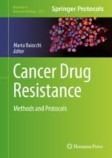
Cancer drug resistance : methods and protocols
Discusses the latest techniques used to identify cancer drug resistance determinants at the molecular, cellular, and functional levels. Chapters in this book cover up-to-date topics including tumor-microenvironment cell co-culture methods and microfluidics systems; workflows for functional assessment of drug resistance in vitro and in vivo; quantitative techniques for identifying quiescent blood-flow circulating cells; and single-cell characterization methods, such as mass cytometry.
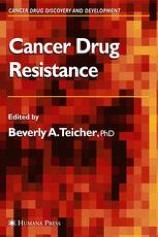
Cancer drug resistance
In Cancer Drug Resistance, leading scientists from the best academic institutions and industrial laboratories summarize and synthesize the latest discoveries concerning the changes that occur in tumor cells as they develop resistance to a wide variety of anticancer therapeutics, as well as suggest new approaches to the biology of drug resistance that may afford new therapeutic opportunities.
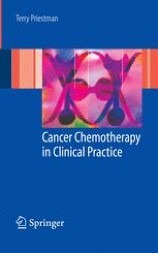
Cancer Chemotherapy in Clinical Practice
This book summarises the whole range of systemic cancer therapies, explaining their mode of action and potential side-effects, as well as their clinical applications.
