


Refine Results
Sort By
From
To

Provides the interested and informed reader with an overview of current approaches, strategies and considerations relating to the purification, analytics and characterization of therapeutic antibodies and related molecules. While there are obviously other books published in and around this subject area, they seem to be either older (c.a. year 2000 publication date) or are more limited in scope. The book will include an extensive bibliography of the published literature in the respective areas covered. It is not, however, intended to be a how-to methods book.
It is a guide to new techniques and approaches to identifying and characterizing small molecules in early drug discovery. Biophysical methods are reasserting their utility in drug discovery and through a combination of the rise of fragment-based drug discovery and an increased focus on more nuanced characterisation of small molecule binding, these methods are playing an increasing role in discovery campaigns.
Apoptosis, Senescence and Cancer provides insight into established practices and research into apoptosis and senescence by thoroughly examining novel and emerging techniques and research in the fields of cell death pathways, senescence growth arrest, drugs and resistance, DNA damage response, and other topics which still hold mysteries for researchers.this volume provides basic scientists and clinicians with a deeper and more complete understanding of the cellular responses of malignancies which may determine the effectiveness of treatment.
Antioxidants and Cardiovascular Disease, Second Edition addresses a complex but very timely and fascinating problem in cardiovascular medicine. It is written by recognized experts in the fields of atherosclerosis and antioxidants. It should be of interest not only to academicians but also to practicing physicians.
Highlights new advances in the field, with this new volume presenting interesting chapters written by an international board of authors.
This new volume of the Emerging Infectious Diseases of the 21st Century series is a collection of chapters by leading world authorities on antimicrobial resistance of common, important bacterial, viral and fungal pathogens. This unique book should be in the possession of anyone interested in the field of infectious diseases, microbiology, infection control & public health. The chapters, which are written by reknown experts, provide a wealth of contemporary information on microbiology, molecular mechanisms, epidemiology, clinical relevance, treatment, and prevention

Increasing awareness of the deleterious effects of toxic components in antifouling coatings has raised interest in the potential for nontoxic alternatives. This book examines how marine organisms from bacteria to invertebrates and plants use chemicals to communicate and defend themselves. Chemicals that prevent colonisation of living surfaces are particularly pertinent to antifouling technology and may inspire new solutions. The challenge is to identify such compounds, identify the means for sustainable production and incorporate them into coatings to give long-term antifouling efficacy.
This book addresses many of the key issues taxing our society and hospitals in an era of epidemic resistance and shortage of new antibiotics. Written by internationally renowned experts in the field, this volume will provide practical advice and inform control strategies for the most urgent of problems related to antibiotic resistance epidemic for years to come. Antibiotic Policies: Fighting Resistance is an ideal volume for health professionals with an interest in this field.
This volume provides an overview of climate change data, its effects on the structure and functioning of Antarctic ecosystems, and the occurrence and cycling of persistent contaminants. It discusses the unique physico-chemical characteristics of the Antarctic environment, ecophysiological adaptations of terrestrial and marine organisms, the transfer of contaminants in pelagic and neritic food chains and the possible consequences for animals at higher trophic levels.
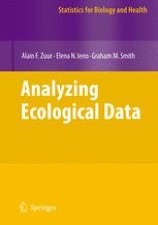
This book provides a practical introduction to analysing ecological data using real data sets collected as part of postgraduate ecological studies or research projects. The first part of the book gives a largely non-mathematical introduction to data exploration, univariate methods (including GAM and mixed modelling techniques), multivariate analysis, time series analysis (e.g. common trends) and spatial statistics. The second part provides 17 case studies, mainly written together with biologists who attended courses given by the first authors. The case studies include topics ranging from terrestrial ecology to marine biology.
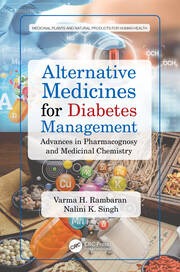
Apart from diet and exercise, the strategic use of different classes of prescribed or non-prescribed xenobiotic compounds for the restoration of euglycemic levels in the body is well known. The ongoing rivalry between the recommended usage of allopathic medicines versus ayurvedic remedies has encouraged many researchers to focus their studies on thoroughly isolating and characterizing the extracts from different parts of plants and then evaluating their relative activities via in vitro, in vivo and in some cases clinical studies.
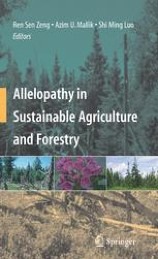
This book reports on the latest advances in allelopathy through the contributions of leading scientists in the field. The book addresses the history of allelopathy, the science of allelochemicals, and the application of allelopathy in agriculture and forestry. An emphasis on both methodology and application makes Allelopathy a truly practical reference for scientists, researchers and students of plant science, agriculture, forestry, terrestrial ecology and environmental science.
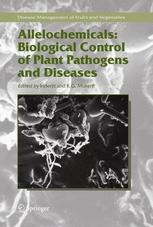
This book is organized around the indication that allelochemicals can be employed for biological control of plant pathogens and plant diseases. Specifically, this volume focuses on (i) discovery and development of natural product based fungicides for agriculture, (ii) direct use of allelochemicals as well as indirect effects through cover crops and organic amendments for plant parasitic pest control and (iii) application of allelopathy in pest management.
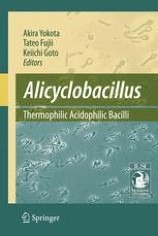
Soft drinks with pHs lower than 4. 0 are subjected to minimum pasteuri- tion at 65 °C for 10 min as required by the Japanese Food Sanitation Law. Not only pathogenic bacteria but most spore-forming bacteria are unable to grow at this low pH condition, and thus reports of microbial spoilage in pasteurized acidic soft drinks are rare. Since 1982, when the spoilage of aseptically packed apple juice was - tributed to a new type of acidophilic spore-forming bacteria in Germany, a succession of similar complaints regarding other fruit juice concentrates and their products has been received. In the beginning, the bacteria were classified in the genus Bacillus, but later, in 1992, the new genus Ali- clobacillus was proposed owing to their characteristic cellular membranes containing omega-alicyclic fatty acids. A group of Alicyclobacillus strains, responsible for the tainting of fruit juices, was then described as A. a- doterrestris in 1999. They are acidophilic and grow preferably at around pH 4. 0. They are thermophilic and grow better at temperatures above 40 °C. This indicates that we might have been missing them by our or- nary methods of bacterial detection at pH 7. 0 and 35 °C.
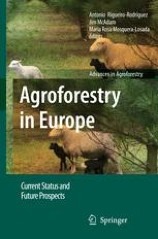
Brings together some of the most important current research in European agroforestry, and evaluates the current scope and future potential of agroforestry across the EU.While the majority of Europe’s agroforestry practices are currently focused in the Mediterranean, this volume draws together examples from a wide range of countries – including Greece, Spain, the UK, Hungary, Germany, Italy, the Netherlands, Switzerland, France and Slovenia. The book also covers a range of agroforestry types, including silvopastoralism – Europe’s predominant form of agroforestry – as well as alley cropping, forest farming, silvoarable systems and the use of trees for shelter. Through these examples the book also discusses the potential roles for these traditional land management systems in addressing both environmental issues such as water quality, biodiversity conservation, desertification, ecosystem services and socioeconomic issues such as rural population stabilization.
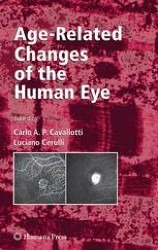
In Age-Related Changes of the Human Eye, the authors review all aspects of human eye aging. In addition to descriptions of age-related changes in almost all the structures of the human eyes, the authors also include interesting accounts of personal experiments and data.
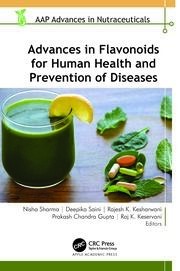
In response to the recent upsurge of interest in the therapeutic potential of medicinal plants, with their promising phenolic compounds, this new book offers an important overview of advances in the applications of flavonoids for health. The book explores the nutritional and pharmacological properties of polyphenols and flavonoids, including their ability to prevent the start and development of diseases and how they aid in the management of several chronic pathological illnesses, including cancer, diabetes, cardiovascular disease, neuro-degenerative illness and aging, pregnancy-induced disorders, and others. Also discussed in depth are the properties, classes, and degrees that formulate a phenolic compound and which subsequently supports the development of drugs/products with health benefits.
This volume of Advances and Technical Standards in Neurosurgery covers some important new developments in functional neurosurgery and endovascular therapy. In the Technical Standards section a variety of topics are considered, including optic pathway gliomas, pineal lesions, cavernous sinus meningiomas, and the eternal problem of minor and repetitive head injury. Endovascular treatment of a variety of lesions is now common practice, and the state of the art in endovascular treatment for acute ischemic stroke is reviewed. An appraisal of the evidence on whether there is a place for microsurgical vascular decompression for essential hypertension raises interesting questions.
The aim of Adipose Tissue and Adipokines in Health and Disease is to provide comprehensive information regarding adipose tissue, its physiological functions and its role in disease. This volume contains a collection of information spanning the entire range of adipose tissue studies, from basic anatomical and physiological research to epidemiology and clinical aspects, in one place. This book is indispensable for basic researchers and clinicians interested in the fields of obesity, metabolic diseases, inflammation and immunity, and specialists in each of the pathologies associated with obesity.
Inflammatory cell recruitment requires the concerted action of at least five major sets of adhesion molecules: integrins, immunoglobulin-like molecules, selectins, carbohydrate structures serving as selectin ligands, and certain ectoenzymes. This volume gives a comprehensive overview on the most relevant leukocyte and endothelial adhesion molecules. The chapters are written by leaders in the field and focus on the biology, structure, function, and regulation of adhesion molecules. Currently approved adhesion molecule-based therapies are reviewed and an outlook for future approaches is also provided. The book is of interest to clinicians and scientists from immunology, physiology, cancer research, rheumatology, allergology, infectious diseases, gastroenterology, pulmonology and cardiology.

Daraa Highway - Ghabagheb - Syria
+963-15 2050 - 15 860 380 /1/2/3 - 11 662 3900