



Page 4
Page 4

Aortic valve disease
Your heart has four valves to keep blood flowing in the direction. These valves include the mitral valve, tricuspid valve, pulmonary valve and aortic valve. Each valve has flaps (epiphysis or leaflets) that opens and close once during each heartbeat sometimes the valve do not open or close completely; this interferes with the flow of blood inside the heart, and may lead to impaired ability to pump blood to your body. In aortic valve disease, the aortic valve between the lower left chamber (left ventricle) and the primary artery that delivers blood from the heart to the body (the aorta) does not work completely. It may not close completely; This causes blood to leak back into the left ventricle (regurgitation), or possibly narrowing of the valve (stenosis).
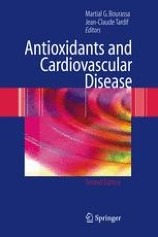
Antioxidants and Cardiovascular Disease
Antioxidants and Cardiovascular Disease, Second Edition addresses a complex but very timely and fascinating problem in cardiovascular medicine. It is written by recognized experts in the fields of atherosclerosis and antioxidants. It should be of interest not only to academicians but also to practicing physicians.

Anti-Obesity drugs
As a chronic and relapsing disease, obesity impairs metabolism and causes diabetes, cardiovascular diseases and cancer. Although behavioral modification is important for the treatment of obesity, it is difficult to achieve an ideal weight or sustain the process of long-term weight loss. Therefore, the obesity control guidelines strongly recommend lifestyle interventions along with medical treatment for patients who are overweight. There is sufficient evidence supporting that pharmacotherapy in combination with behavior-based interventions can result in significant weight loss and improvement of the health.

Anticoagulants and coronary artery disease
Blood thinners are medicines that help blood flow smoothly through your veins and arteries. There are two. The first is called anticoagulants (Warfarin, Heparin, Enoxaparin) and The second class of blood thinners is called antiplatelet (Aspirin, Ticagrelor , Clopidogrel). . Coronary arteries supply blood to the heart muscle. Coronary artery disorder or disease can have serious implications by reducing the flow of oxygen and nutrients to the heart muscle. This can lead to a heart attack and possibly death. Atherosclerosis. Medications to reduce the risk of blood clots, such as anticoagulants (including aspirin) and antiplatelet. , in particular aspirin, are effective in preventing platelet activation and thus thrombus formation and Clopidogrel is an inhibitor of platelet activation.
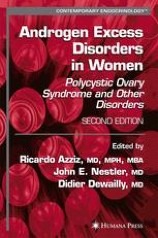
Androgen Excess Disorders in Women
The field of androgen excess disorders has advanced substantially since the original publication of this book. The Androgen Excess Society (AES) was founded to bring together investigators in the field. A better understanding of the screening, progression, and molecular genetics of nonclassic adrenal hyperplasia (NCAH) has improved the clinical care and diagnostic accuracy of these patients. New criteria for the diagnosis of the polycystic ovary syndrome (PCOS) were proposed in Rotterdam, criteria that have resulted in controversy and, hopefully, initiation of new studies. The association of insulin resistance with PCOS has been strengthened, and the role of metformin in tre- ing the infertility of the PCOS has been validated. Risks for diabetes and, more cont- versially, cardiovascular disease in women with PCOS have received substantial investigation. Our understanding of the epidemiology and economic impact of these disorders has expanded, emphasizing their critical importance.
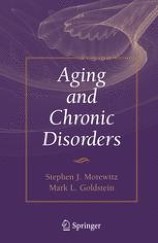
Aging and Chronic Disorders
Aging and Chronic Disorders brings the most up-to-date answers into clear, readable focus. Focusing on the most prevalent conditions affecting older adults (diabetes, cardiovascular disease, cancer, osteoporosis, osteoarthritis, rheumatoid arthritis, low back pain, and fibromyalgia), Morewitz and Goldstein analyze disabilities and risk factors, stressors and coping strategies, treatment and rehabilitation methods, and patient education and self-management. Separate chapters are devoted to cognitive changes, psychological problems, and trends in health care utilization among seniors, and all chapters are amplified by current research findings and instructive case studies. As in their recent work.
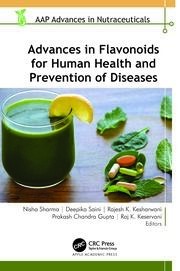
Advances in flavonoids for human health and prevention of diseases
In response to the recent upsurge of interest in the therapeutic potential of medicinal plants, with their promising phenolic compounds, this new book offers an important overview of advances in the applications of flavonoids for health. The book explores the nutritional and pharmacological properties of polyphenols and flavonoids, including their ability to prevent the start and development of diseases and how they aid in the management of several chronic pathological illnesses, including cancer, diabetes, cardiovascular disease, neuro-degenerative illness and aging, pregnancy-induced disorders, and others. Also discussed in depth are the properties, classes, and degrees that formulate a phenolic compound and which subsequently supports the development of drugs/products with health benefits.
Adrenomedullin in Cardiovascular Disease
Adrenomedullin in Cardiovascular Disease is an up-to-date review of the most relevant aspects of adrenomedullin. It encompasses a broad range of fields including biochemistry, molecular biology, physiology, pharmacology, pathophysiology of cardiovascular disease and clinical applications of adrenomedullin to cardiovascular disease.
Acute coronary syndrome : Multidisciplinary and pathway-based approach
Acute coronary syndrome (ACS) affects millions of patients annually and requires immediate diagnosis and therapy. This practical algorithm-based handbook addresses the diagnosis and treatment of these patients and is designed for the medical personnel involved in the triage and management of ACS patients.
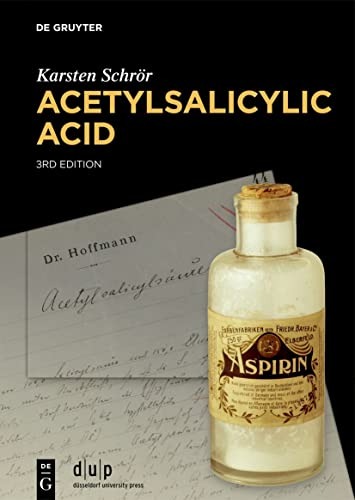
Acetylsalicylic Acid
Contains the latest results of clinical and pharmacological research on Acetylsalicylic acid, addressing the multiple pharmacological properties of this famous drug with a balanced view on their translation into clinical practice, including prevention and treatment of cardiovascular diseases, thromboinflammation and colorectal cancer. Understandable for clinicians, pharmacists, biomedical researchers and pharmacologists alike.
37th Hemophilia Symposium ; Epidemiology : Treatment of Inhibitors in Hemophiliacs ; Hemophilic Arthropathy and Synovitis ; Relevant Hemophilia Treatment 2006 ; Pediatric Hemostasiology; Free Lectures
This book contains the contribution to the 37th Hemophilia Symposium, Hamburg 2006. The main topics are epidemiolgy, treatment of inhibitors in hemophiliacs, hemophilic arthropathy and synovitis, relevant hemophilia treatment 2006, and pediatric hemostasiology.
