



Page 4
Page 4

Mycotoxins in Foodstuffs
Due to the serious spoilage and health issues the presence of mycotoxins can cause, it’s imperative that the food industry has a basic understanding fungi and their corresponding mycotoxins. An indispensable resource, Mycotoxins in Foodstuffs gives an in depth overview by listing the degree of contamination, concentration and country of origin/detection for each case of mycotoxin contamination for each commodity. In addition, the book shows whether or not food is predisposed for mycotoxin contamination.

Mycorrhizae : Sustainable Agriculture and Forestry
This book discusses and goes into detail on a number of topics: the molecular basis of nutrient exchange between arbuscular mycorrhizal (AM) fungi and host plants; the role of AM fungi in disease protection, alleviation of soil stresses and increasing grain production; interactions of AM fungi and beneficial saprophytic mycoflora in terms of plant growth promotion; the role of AM fungi in the restoration of native ecosystems; indirect contributions of AM fungi and soil aggregation to plant growth and mycorrhizosphere effect of multitrophic interaction; the mechanisms by which mycorrhizas change a disturbed ecosystem into productive land; the importance of reinstallation of mycorrhizal systems in the rhizosphere is emphasized and their impact on landscape regeneration, and in bioremediation of contaminated soils; Ectomycorrhizae (ECM) and their importance in forest ecosystems and associations of ECM in tropical rain forests function to maintain tropical monodominance; in vitro mycorrhization of micro-propagated plants, and visualizing and quantifying endorhizal fungi; the use of mycorrhizae, mainly AM and ECM, for sustainable agriculture and forestry.

Multiscale Problems in the Life Sciences : From Microscopic to Macroscopic
The aim of this volume that presents Lectures given at a joint CIME and Banach Center Summer School, is to offer a broad presentation of a class of updated methods providing a mathematical framework for the development of a hierarchy of models of complex systems in the natural sciences, with a special attention to Biology and Medicine. Mastering complexity implies sharing different tools requiring much higher level of communication between different mathematical and scientific schools, for solving classes of problems of the same nature. Today more than ever, one of the most important challenges derives from the need to bridge parts of a system evolving at different time and space scales, especially with respect to computational affordability. As a result the content has a rather general character; the main role is played by stochastic processes, positive semigroups, asymptotic analysis, kinetic theory, continuum theory and game theory.

Multiscale fatigue crack initiation and propagation of engineering materials ; Structural integrity and microstructural worthiness : Fatigue crack growth behaviour of small and large bodies
This book elucidates the correlation of fatigue crack growth data to multiscale cracking, particularly to the understanding of micrographs influenced by mechanical disturbance and thermodynamic variables. Attention is given to the interpretation of test data by fatigue crack growth rate using two empirical parameters in consistence with the fracture control methodology currently used by industry.

Multiple Testing Procedures and Applications to Genomics
This book establishes the theoretical foundations of a general methodology for multiple hypothesis testing and discusses its software implementation in R and SAS. The methods are applied to a range of testing problems in biomedical and genomic research, including the identification of differentially expressed and co-expressed genes in high-throughput gene expression experiments.

Multi-Photon Quantum Interference
Multi-Photon Quantum Interference covers the phenomena of quantum interference through the multi-photon effects of photon correlation. The author’s focus is on the temporal correlation among photons and how it influences the interference effect.
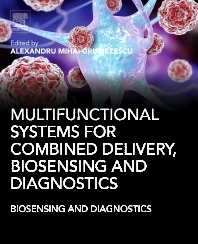
Multifunctional systems for combined delivery, biosensing and diagnostics
Multifunctional Systems for Combined Delivery, Biosensing, and Diagnostics explores how multifunctional nanocarriers are being used in combined delivery and diagnostics in contemporary medicine. Particular attention is given to efforts to i) reduce the side effects of therapeutic agents, ii) increase the pharmacological effect, and iii) improve aqueous solubility and chemical stability of different therapeutic agents. The chapters focus on applications of nanostructured materials and nanocarriers, highlighting how these can be used effectively in both diagnosis and delivery.

Mucosal Immune Defense : Immunoglobulin A
This book, authored by international experts in the field of IgA immunology, presents a comprehensive and timely overview of current knowledge of IgA structure and function. Topics include the basic science of IgA biochemistry and molecular biology, general and tissue-specific aspects of IgA function, and the clinical relevance of IgA in infection, autoimmunity, immunodeficiency and cancer.

MR Imaging in White Matter Diseases of the Brain and Spinal Cord
Comprises a series of comprehensive and up-to-date reviews on the use of MR imaging in these major neurological conditions. The diverse available MR techniques, such as magnetization transfer MRI, diffusion-weighted MRI, MR spectroscopy, functional MRI, cell-specific MRI, perfusion MRI, and microscopic imaging with ultra-high field MRI, offer an extraordinarily powerful means of gaining fundamental in vivo insights into disease processes. The strengths and weaknesses of all these techniques in the study of multiple sclerosis and other relevant diseases are extensively considered. After an introductory section on neuroimaging technology, subsequent sections address disorders of myelination, demyelinating diseases, immune-mediated disorders, and white matter disorders related to aging and other conditions. This book provides a valuable summary of the state of the art in the field, and defines important areas for future research.

Mouse Models of Human Blood Cancers : Basic Research and Pre-clinical Applications
Although it remains an open question among some people whether mice and humans are similar in disease development, the laboratory mouse has emerged as the preeminent animal model for human diseases. This is underscored by the recently completed mouse and human genome projects, which have revealed that mice and humans share the vast majority of their genes, and thus get many of the same diseases, and for the same reasons. Emphasizing why mouse models are valuable in vivo systems for understanding disease mechanisms and developing therapeutic strategies for human blood cancers, "Mouse Models of Human Blood Cancers: Basic Research and Pre-clinical Applications," edited by Shaoguang Li, aims on presenting thorough analyses of the pathological features and the molecular bases of several major types of blood cancer and to describe translational research using mouse cancer models.

Mouse controller using electroencephalography (EEG) device
The growing technologies related to neuroscience has to lead many innovative applications, most importantly Electroencephalography, or EEG for short. This field of study has become recently a trend that many companies around the world have started to enter the race of conquering the brain and controlling everything from a mouse controller to the whole human body. This project aims to help disabled people use a computer with ease and simplicity without needing to use their hands, or anything really, which they can achieve by wearing a headset or get someone to put it on them. The headset is designed to read brain activities and send it to a computer program to understand where the user wants to move the mouse cursor on the computer screen using an Artificial Intelligence model. This project helps further researches in this field which pushes the technology even further from where it is now. The device designed for this project can be repurposed pretty easily to serve many different applications other than controlling a mouse.

Morphological Models of Random Structures
This book covers methods of Mathematical Morphology to model and simulate random sets and functions (scalar and multivariate). The introduced models concern many physical situations in heterogeneous media, where a probabilistic approach is required, like fracture statistics of materials, scaling up of permeability in porous media, electron microscopy images (including multispectral images), rough surfaces, multi-component composites, biological tissues, textures for image coding and synthesis. The common feature of these random structures is their domain of definition in n dimensions, requiring more general models than standard Stochastic Processes.The main topics of the book cover an introduction to the theory of random sets, random space tessellations, Boolean random sets and functions, space-time random sets and functions (Dead Leaves, Sequential Alternate models, Reaction-Diffusion), prediction of effective properties of random media, and probabilistic fracture theories.

Monograph of the Urostyloidea (Ciliophora, Hypotricha)
This monograph is the second of a series treating the hypotrichs, a major part of the spirotrichous ciliates. The urostyloids are characterised by a zigzag-arrangement of the ventral cirri. Like the first part of the series, the Oxytrichidae, it summarises the morphological, morphogenetic, faunistic, and ecological data from the past 230 years, scattered in more than 1300 references from all over the world. Dichotomous keys lead to 36 genera and subgenera comprising 153 species illustrated by more than 2100 figures, including original ones. The treatise offers taxonomists, cell biologists, and ecologists a thorough and up-to-date revision because for each species a detailed list of synonyms, a discussion of the nomenclature and systematics, and an extensive description of the morphology and ecology, including almost all published faunistic records, are provided. With the monographs of the Urostyloidea and the Oxytrichidae the interested scientist can identify more than 320 species of hypotrichs, which are an important component of the eukaryotic microbial life in limnetic, marine, and terrestrial habitats.

Monograph of the Spathidiida (Ciliophora, Haptoria) ; Vol. I : Protospathidiidae, Arcuospathidiidae, Apertospathulidae
The present monograph carefully revises the taxonomy, nomenclature, and ecology of all nominal species and shows that spathidiid diversity has been greatly underestimated. Based on the reinvestigation of described species with modern methods (silver impregnation, scanning electron microscopy) and the first description of over 50 new species, the family Spathidiidae is split into four families and 20 genera. Each species is described and figured in detail, making it unnecessary to go back to the original literature often difficult to obtain. Two identification keys are provided, viz., one for taxonomists and another, simple key for users not specifically trained in ciliate taxonomy.

Mono-Cycle Photonics and Optical Scanning Tunneling Microscopy : Route to Femtosecond Ångstrom Technology
"Mono-Cycle Photonics and Optical Scanning Tunneling Microscopy" deals with both the ultrashort laser-pulse technology in the few- to mono-cycle region and the laser-surface-controlled scanning-tunneling microscopy (STM) extending into the spatiotemporal extreme technology. The former covers the theory of nonlinear pulse propagation beyond the slowly-varing-envelope approximation, the generation and active chirp compensation of ultrabroadband optical pulses, the amplitude and phase characterization of few- to mono-cycle pulses, and the feedback field control for the mono-cycle-like pulse generation. In addition, the wavelength-multiplex shaping of ultrabroadband pulse is described. The latter covers the CW-laser-excitation STM, the femtosecond-time-resolved STM and atomic-level surface phenomena controlled by femtosecond pulses.

Molecules in Superfluid Helium Nanodroplets : Spectroscopy, Structure, and Dynamics
This book covers recent advances in experiments using the ultra-cold, very weakly perturbing superfluid environment provided by helium nanodroplets for high resolution spectroscopic, structural and dynamic studies of molecules and synthetic clusters. The recent infra-red, UV-Vis studies of radicals, molecules, clusters, ions and biomolecules, as well as laser dynamical and laser orientational studies, are reviewed. The Coulomb explosion studies of the uniquely quantum structures of small helium clusters, X-ray imaging of large droplets and electron diffraction of embedded molecules are also described. Particular emphasis is given to the synthesis and detection of new species by mass spectrometry and deposition electron microscopy.

Molecular Techniques in the Microbial Ecology of Fermented Foods
Molecular Methods and Microbial Ecology of Fermented Foods presents the latest findings in microbial ecology as determined by the application of molecular methods, reports the most recent advances in the field, and offers details on primers and protocols most suitable for studying specific food ecosystems. It provides analytical details and suggestions useful in research, as well as evaluation of the criticism of using novel approaches in food fermentation microbiology. This book also discusses new insights drawn from the use of bio-molecular techniques in the microbial ecology of fermented foods.
Molecular Sensors for Cardiovascular Homeostasis
This book reveals state-of-the-science of several newly discovered ion channel families and their role in the pathogenesis of cardiovascular diseases.It offers comprehensive and up-to-date information for a deeper understanding of the relationship between macro- and micro-environments, ion channels, and pathophysiological responses, and for developing novel therapies for treating devastating cardiovascular illnesses.
Molecular Pathology in Clinical Practice
This book addresses all areas of molecular pathology clinical practice in a single text, including: molecular biology basics, genetics, infectious diseases, hematopathology, solid tumors, HLA typing, identity testing and laboratory management. This text will provide a comprehensive reference for molecular pathologists as well as the practicing molecular pathologist and trainees.

Molecular Paradigms of Infectious Disease : A Bacterial Perspective
This comprehensive volume, written by leading authors in the field, provides a fundamental understanding of the complex cellular and molecular processes that are important for bacterial virulence and the infectious disease process. Written in a clear and engaging manner, the book highlights key techniques and methodologies that have driven recent discoveries in bacterial pathogenesis, major structures and mechanisms in bacteria that are important for the pathogenesis of these organisms, the regulation of these virulence determinants by global regulators, and bacterial biowarfare agents. Molecular Paradigms of Infectious Disease: A Bacterial Perspective is an ideal book for students, microbiologists, immunologists and scientists and researchers of bacterial pathogenesis.
