



Page 3
Page 3

Feldman and Pike's vitamin D; Vol. 1 : Biochemistry, physiology and diagnostics
Presents a comprehensive review of the multi-faceted actions of vitamin D relating both to skeletal and extra-skeletal action. Researchers from all areas of vitamin D will gain insight into how clinical observations and practices can feed back into the research cycle and will, therefore, be able to develop more targeted genomic and proteomic insights into the mechanisms of disease.

Exploring medicinal orchids
Orchids are fascinating ornamental flowers with a huge market both as cut flowers and potted plants, but they are also used in the traditional medicine system as they can be rich in phytochemicals with exceptional medicinal properties. This book, Exploring Medicinal Orchids, is a comprehensive guide for medicinally important orchids, their diversity, and their use in traditional and folk medicines. It presents information on secondary metabolites of medicinally active orchid species, pharmaceutical and medicinal applications, and describes advanced techniques of biotechnology in the conservation of medicinal orchids.

Essential oils for dental health : A holistic guide to oral care and treatment
Explores the benefits of and best methods of use for well-known dental care oils such as peppermint, tea-tree, and clove as well as the lesser known oral benefits of oils like cinnamon, manuka, and oregano. Offers many simple practical techniques to easily incorporate essential oils into your daily oral care routine. Includes recommended oil mixtures targeted to alleviate specific dental and oral ailments, such as periodontitis, oral herpes, ulcers, teething, dry mouth, bad breath, teeth grinding, and toothache.

Essential oils as antibacterial agents
An alarm increase in the rate of emerging of resistant bacteria have been causing a great public concern worldwide. This problem of increasing resistance has necessitated the search for safe and effective factors that may be used to treat persistent bacterial infections or modify the currently available antibiotics. An experimental approach, using agar diffusion method was used to estimate the antibacterial properties of 5 essential oils (cinnamon, clove, peppermint, rosemary and thyme) each one individually, in pure and commercial form, against 3 of the bacterial strains that cause common skin infections which are gram negative bacteria (Escherichia coli, Pseudomonas aeruginosa) and gram positive bacteria (Staphylococcus aureus), obtained from clinical sources. Only two of the commercial oils had an antibacterial effect on both gram negative bacteria (E. coli) and gram positive bacteria (S. aureus) and in lesser extent on gram negative bacteria (P. aeruginosa).synergy.

Epilepsy
Epilepsy has remained a significant social concern and financial burden globally. It is the most common neurological disease of the brain. Around 1% of the people worldwide have epilepsy and this disease affects people of all ages, Although the different types of epilepsy vary greatly, medication appropriate can control seizures in about 70% of patients, Medications are mainstays in controlling epileptic seizures, Partial seizures, which are the most common seizure type in adults, can be effectively controlled by virtually all the standard and newer antiepileptic drugs (AEDs). For the generalized epilepsies, valproate remains the drug of choice.

Endodontic Materials in Clinical Practice
Delivers a much-needed comprehensive and clinically oriented reference to the materials used in endodontic practice. It provides complete details on the properties of the materials required for specific techniques in order to help in the selection of the appropriate materials and improve patient outcomes. Covers endodontic materials used from the pulp to the root-end. In addition, the text considers the location and technique for each of the materials presented. Designed to be a practical and accessible reference, the book is organised by specific clinical procedure.

Encyclopedia of herbal medicine : 550 herbs and remedies for common ailments
A definitive reference on herbal plants and their medicinal properties for those seeking natural remedies. [It provides] detailed descriptions, constituents, and uses for over 550 plants; practical how-to remedies for more than 80 ailments, ranging from headaches to arthritis; [and] includes the latest scientific research and safety advice. Additional features include an herb directory with photographic index, guidelines for growing medicinal plants and making home remedies, and historical and cultural perspectives for herbal medicine around the world.

Drugs in palliative care
While palliative care has adopted a holistic approach to treatment / medication-driven symptom management ostensibly forms the critical aspect of care. Prescribing in palliative care can be extremely complex because the patient may often have comorbidity / or occasionally multimorbidity. The associated polypharmacy further complicates the pharmacological management of symptoms being caused by the palliative condition. This can be daunting for healthcare professionals and can negatively impact upon the effectiveness of care provided. Fully revised and updated / the third edition of Drugs in Palliative Care provides a detailed / yet concise overview of topics that are encountered in palliative care clinical practice. The book will appeal to a variety of healthcare professionals involved in the provision of palliative care and medicines information.

Drug repurposing and computational drug discovery strategies and advances
Defined as identifying new pharmacological indications from old, existing, failed, investigational, already marketed, or FDA-approved drugs and prodrugs, and applying these new uses in the treatment of diseases other than the drug’s original intended therapeutic use. The application of computational techniques in discovery research not only helps in the development of drugs from leads or existing drug molecules but can also be useful for the repurposing of existing drug candidates.

Curcumin : clinical uses, health effects and potential complications
Curcumin is a natural product with polyphenolic structure. It is used in therapeutic remedies alone or in combination with other natural substances. Many researchers are investigating it because of its biological activities such as: anti-inflammatory, anti-cancer, anti-protozoal, anti-viral, anti-bacterial and has been found to be effective for treatment of Alzheimer, depression, headaches, fibromyalgia, leprosy, fever, menstrual problems, water retention, worms and kidney problems etc. It is an active ingredient in dietary spice, turmeric. It has reactive functional groups: a diketone moiety and two phenolic groups. Despite its unique biological activities, it suffers from some shortcomings which include: gastrointestinal problems, poor bioavailability due to its poor absorption, short half-life, poor solubility in aqueous solutions, rapid systemic elimination and antithrombotic activity which can interfere with blood clotting. The first chapter of this book reviews the different delivery systems used for incorporation of curcumin and its derivatives, release kinetics and up to date in vivo results. Chapter two discusses curcumin nano and microencapsulation and its implications on clinical uses.

Cosmeceutical science in clinical practice
Cosmeceuticals – skin care products that fall between a cosmetic and a pharmaceutical, with active ingredients that counter skin aging and promote skin rejuvenation – are an invaluable adjunct to the cosmetic dermatologist or plastic surgeon performing minimally invasive aesthetic procedures. This guide from expert researchers and practitioners explains how best to integrate the potential of cosmeceutical products into the best international clinical practice, with new chapters to cover the very latest developments in this area.
Management of deep carious lesions
Describes the challenges that deep carious lesions pose for dental practitioners, including the risk of endodontic complications and the difficulty of restorative treatment, and identifies options for overcoming these challenges on the basis of the best available evidence. The opening chapter sets the scene by discussing pathophysiology, histopathology, clinical symptomatology, and treatment thresholds. The various treatment options are then systematically presented and reviewed, covering non-selective, stepwise, and selective carious tissue removal and restoration, sealing of lesions using resin sealants or crowns, and non-restorative management approaches. In each case the current evidence with respect to the treatment is carefully evaluated. Advantages and disadvantages are explained and recommendations made on when to use the treatment in question. Illustrative clinical cases and treatment pathways for clinicians are included. This book will be of value for all practitioners who treat dental caries and carious lesions, whether in the permanent or the primary dentition. It will also be of interest to under- and postgraduate students in cariology and restorative, operative, preventive, and pediatric dentistry.
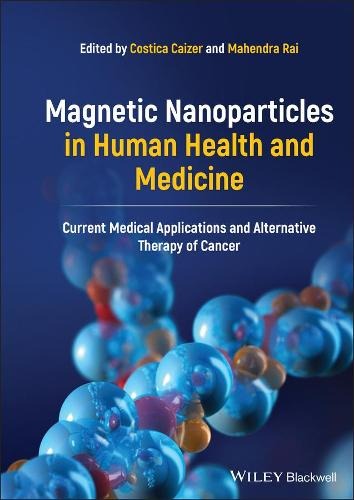
Magnetic nanoparticles in human health and medicine : Current medical applications and alternative therapy of cancer
Progress in improving diagnosis by magnetic resonance imaging (MRI) and using non-invasive and non-toxic magnetic nanoparticles for targeted drug delivery. Focusing on cancer diagnosis and therapy, the book covers both fundamental principles and advanced theoretical and experimental research on the magnetic properties, biocompatibilization, biofunctionalization, and application of magnetic nanoparticles in nanobiotechnology and nanomedicine.

Knowledge, practices, and awareness of safety risks associated with antiemetic use: A cross-sectional study
Highlighted a high prevalence of self-medication, with most participants keeping these drugs at home due to their accessibility and low cost. A strong correlation was observed between educational level and awareness; individuals with higher education were more likely to seek professional advice and carefully read drug leaflets. Conversely, lower educational groups and younger participants showed a greater tendency to repeat doses without consultation or rely on home remedies.

Chamomile & insulin nasal spray in the treatment of Alzheimer's disease
Chamomile is one of the most widely used herbs in Western countries, in the present study, we assessed the effect of chamomile combined with insulin on the learning and memory impairments (Alzheimer's disease) induced by scopolamine. The cognition-enhancing effect of chamomile & insulin was investigated using the Y-maze test. Drug-induced amnesia was induced by treating animals with scopolamine. Mix solution administration intranasally reversed scopolamine induced cognitive impairments in mice by the Y-maze test. Moreover, results suggest that the combination of both chamomile and insulin may be a useful cognitive impairment treatment, and its beneficial effects are mediated, in part, via inhibitory effects in vivo on the release of several pro-inflammatory mediators and as a co-absorbent.

Cell therapy stem cells and regenerative medicine
Provides an overview of cell-based therapy for human diseases including the definition, history, and clinical applications of human stem cells and their use in regenerative medicine. It covers human pluripotent stem cells (human embryonic stem cells and human induced pluripotent stem cells), mesenchymal stem/stromal cells, and hematopoietic stem cells, bone marrow mononuclear cells. In terms of clinical applications, this book also provides an update on recent human trials using these cells to treat various diseases, including neurological disorders, pulmonary dysfunctions, metabolic/endocrine-related diseases, frailty, and cancer treatment. In addition, it discusses the authors’ clinical trial experiences related to these conditions in a clinical setting to provide additional insight into regenerative medicine, especially cell-based therapy.
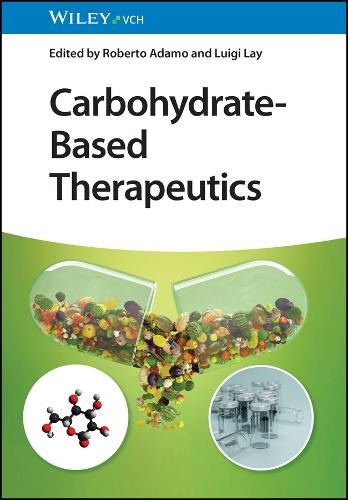
Carbohydrate-based therapeutics
Explores new frontiers in carbohydrate-based therapeutic applications, utilizing a unique approach by providing a detailed background of diseases coupled with subsequent carbohydrate-based therapies. The link between chemistry and design of novel carbohydrate-based medicines is highlighted and a broad overview of all the potential applications of carbohydrates is given. Emphasis is laid on concepts used for carbohydrate drug design, structure– activity relationship, and impact on health and diseases. The text also discusses newer topics like nanoparticles, material science, and tissue generation.
Cannabinoids as Therapeutics
this volume concentrates on the diseases, the physiological effects and therapeutic use of cannabinoids. The volume editor Prof. Mechoulam was the first who isolated the prime active constituent (THC, Tetrahydrocannabiol) of marijuana. He published extensively on the pharmacological activities of cannabinoids. The volume is of interest to researchers and clinicians from pharmacology, neuroscience, and medicinal research
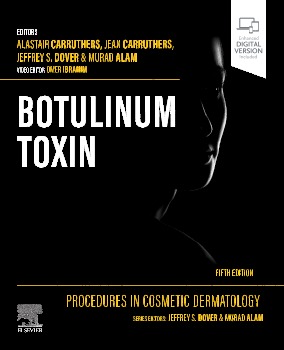
Botulinum toxin
Offering a step-by-step, practical approach to this commonly performed cosmetic procedure, Procedures in Cosmetic Dermatology: Botulinum Toxin, 5th Edition, enables you to master the up-to-date cosmetic techniques that produce the superior results your patients expect. It covers the science behind these neuromodulators and their usage areas in cosmetic dermatology, as well as the latest treatment options—all abundantly illustrated and evidence based. A substantial video library demonstrating injection techniques helps you successfully incorporate the latest procedures into your practice.
Biomarkers as targeted herbal drug discovery : A pharmacological approach to nanomedicines
Looks at the applications of biomarkers as important tools for herbal drug discovery, presenting research on phytoconstituents with advanced nanotechnological applications for healthcare benefits. Herbal drug discovery based on biomarkers is an emerging area in complementary and alternative medicine that has tremendous potential in healthcare. Conventional medications have limited efficacy and high toxicity, whereas herbal drugs are said to provide wide structural diversity that is not usually seen with conventional/synthetic drug molecules. Recognition of various herbal constituents, such as terpenoids, fatty acids, flavonoids and steroids, are well explored in the management and treatment of various disorders in this volume. These agents target various biomarkers such as nitric oxide (NO), cytokines, chemokines, adhesion molecules, NF- kβ, lipoxygenase (LOX), and arachidonic acid. Reviews the literature on inflammatory biomarkers in the treatment of diseases Looks at the development of herbal drug discovery based on biomarkers Explores emerging concepts of nanomedicines for herbal drug delivery Takes an interdisciplinary approach, with application to disciplines related to medical, pharmaceutical, biotechnological, Ayurvedic, Unani and biomedical engineering fields
