



Page 2
Page 2

Handbook of cardiovascular behavioral medicine
Cardiovascular disease is the leading cause of morbidity and mortality in the United States and worldwide. It is well recognized that traditional risk factors for cardiovascular disease have limited predictive utility in the identification of new cardiovascular disease cases and outcomes. Thus, investigators have argued that application of a biopsychosocial research paradigm in this field may be of particular utility in understanding cardiovascular disease pathogenesis. Accordingly, a subdiscipline within the field of behavioral medicine – cardiovascular behavioral medicine – examines interrelations among biological, behavioral, psychological, social, and environmental factors in cardiovascular health and disease.

Enhancing the Role of Ultrasound with Contrast Agents
This bookprovides an up-to-date overview on the clinical value of contrast agents in ultrasound. The volume moves from a background section on technique and methodology to the main sections on the clinical application of contrast ultrasound in the liver and in vascular diseases. A final section discusses results and prospects of contrast ultrasound modality in the other fields.

Enhancing the Dissolution Rate of Atorvastatin by Solid Dispersion Technique
In the last few decades, solid dispersion (SD) technology had been studied as an approach to produce an amorphous carrier to enhance the solubility, dissolution rate, and bioavailability of poorly water-soluble drugs. The use of suitable carrier and methodology in the preparation of SDs play a significant role in the biological behavior of the SDs. Atorvastatin is a statin group HMG-CoA reductase inhibitor drug that is commonly used to adverse cardiovascular events and to lower blood total cholesterol and LDL-cholesterol. the solubility of atorvastatin in water is very low (0.1 mg mL− 1), which results in reduced bioavailability. In order to enhance its solubility, we have prepared solid dispersions (SDs) of atorvastatin at different drug: polymer ratios (1:2, 1:10, 1:20,1:25 and 1:40), using polyethylene glycol 6000 as polymer and different preparation methods (co-precipitate and melting methods) The characterization of the SDs was performed using differential scanning calorimetry (DSC), Fourier transform infrared spectroscopy (FTIR) The solubility of AT was improved by the incorporation PEG6000.

Diagnostic Criteria in Neurology
The criteria cover a wide spectrum of neurological conditions whose diagnosis does not depend solely on histopathology (e.g., brain tumors), including cerebrovascular diseases, dementias and behavioral disorders, demyelinating disorders, and disorders of consciousness and brain death.

CRP and the relation with heart disease
Cardiovascular diseases are the leading causes of mortality and morbidity in industrialized and developing countries. Many efforts have been undertaken during the last decades to identify environmental, behavioral and genetic factors modulating the risk of cardiovascular diseases.It will explain the role of CRP - an acute-phase protein- as indicator of potential cardiovascular disease as well as a predictor of the risk for heart disease and future heart attack

COVID-19 & Cardiovascular Complications
A highly pathogenic human coronavirus, severe acute respiratory syndrome coronavirus 2 (SARS-CoV-2), has been recently recognized in Wuhan, China, as the cause of the coronavirus disease 2019 (COVID-19) outbreak which has spread rapidly from China to other countries in the world, causing a pandemic with alarming morbidity and mortality. The emerging epidemiological data about COVID-19 patients suggest an association between cardiovascular diseases (CVD) and SARS-CoV-2 infection, in term of clinical features at hospital admission and prognosis for disease severity. The aim of our review is to describe the cardiological features of COVID-19 patients at admission, the acute cardiac presentation, the clinical outcome for patients with underlying CVD and the pharmacological implications for disease management.

Contemporary management of acute and chronic venous disease
With a focus on evidence-based, contemporary, and clinically relevant information, this practical new resource provides a concise, clinical, and techniques-focused guide to the medical, endovenous, and surgical management of patients with acute and chronic venous disease. Internationally recognized chapter authors cover the general principles of the pathophysiology, diagnosis, indications, and decision-making around the management of acute and chronic venous disease. The text emphasizes endovenous and surgical techniques where applicable, and also addresses symptomatic peripheral venous insufficiency, deep venous thrombosis, and the care of patients with symptomatic central venous disease.

Co-enzyme Q10
Coenzyme Q10 is a vitamin like substance that has been found in both microorganisms and plants as well as in animals and humans. In this research we will talk about CoenzymeQ10, it’s biochemical functions and roles in health and diseases such as Parkinson, cardiovascular diseases, diabetes, male fertility, cancers , covid19 and immune functions. Some coQ10 determination methods in foods will be discussed. At the last can we use it as asupplement? Does it have an adverse effects and contraindications? and what are the factors that affect on it’s plasma concentrations ? .
Cardiovascular Regeneration Therapies Using Tissue Engineering Approaches
The cardiovascular system transports oxygen and nutrients to all parts of the body; therefore, any impediment to this system through, for example, a circulatory disorder, represents a serious threat to organs, tissues, and cells. Obstructive diseases of vessels with a diameter of more than 1 mm can be treated by conventional surgical and interventional approaches; however, blockages in small vessels with a diameter of less than 1 mm cannot be treated by conventional methods. As a consequence, therapeutic ang- genesis and vasculogenesis for the treatment of ischemic diseases have been widely studied in the last decade. These methods may contribute to the re pair of intractable cardiovascular diseases with a main vascular involvement in the body's smallest vessels. In this book, Hikaru Matsuda and I have tried to summarize recent Japanese developments in the field of cardiovascular regeneration therapies using tissue engineering.
Au-delà de linformation, la prévention : Par l’équipe du département de prévention Épidaure = Prevention goes beyond information : By the Epidaure Prevention department team
The prevention of the most frequent and deadly pathologies (cancers, cardiovascular diseases, accidents) essentially involves modifying risky behavior, a challenge which cannot be resolved by the simple dissemination of information. To be able to modify behavior, it is necessary to take into account, on the one hand, the individuals themselves and what leads them to change their ways of living and, on the other hand, the cultural, social, physical and economic environment. who shapes people and whose modifications are necessary for individual changes. Thus, preventive health actions are effective as long as they strengthen the ability to exercise control over individual and collective health determinants.
Applications of functional foods in disease prevention
Functional food sources are growing in popularity because they are exceptionally nutritious and provide amazing medical advantages. They can help ensure against infection, prevent supplement deficiency, and advance appropriate health development and improvement. With illustrative case studies, this new volume explores the many roles of functional foods in the prevention and management of various diseases, including diabetes, autism spectrum disorder, weight loss and obesity, microbial infections, ulcers and other gastrointestinal diseases, mental disorders and brain health, cardiac health and cardiovascular diseases, osteoporosis and bone health, and more.

Aortic valve disease
Your heart has four valves to keep blood flowing in the direction. These valves include the mitral valve, tricuspid valve, pulmonary valve and aortic valve. Each valve has flaps (epiphysis or leaflets) that opens and close once during each heartbeat sometimes the valve do not open or close completely; this interferes with the flow of blood inside the heart, and may lead to impaired ability to pump blood to your body. In aortic valve disease, the aortic valve between the lower left chamber (left ventricle) and the primary artery that delivers blood from the heart to the body (the aorta) does not work completely. It may not close completely; This causes blood to leak back into the left ventricle (regurgitation), or possibly narrowing of the valve (stenosis).

Anti-Obesity drugs
As a chronic and relapsing disease, obesity impairs metabolism and causes diabetes, cardiovascular diseases and cancer. Although behavioral modification is important for the treatment of obesity, it is difficult to achieve an ideal weight or sustain the process of long-term weight loss. Therefore, the obesity control guidelines strongly recommend lifestyle interventions along with medical treatment for patients who are overweight. There is sufficient evidence supporting that pharmacotherapy in combination with behavior-based interventions can result in significant weight loss and improvement of the health.

Anticoagulants and coronary artery disease
Blood thinners are medicines that help blood flow smoothly through your veins and arteries. There are two. The first is called anticoagulants (Warfarin, Heparin, Enoxaparin) and The second class of blood thinners is called antiplatelet (Aspirin, Ticagrelor , Clopidogrel). . Coronary arteries supply blood to the heart muscle. Coronary artery disorder or disease can have serious implications by reducing the flow of oxygen and nutrients to the heart muscle. This can lead to a heart attack and possibly death. Atherosclerosis. Medications to reduce the risk of blood clots, such as anticoagulants (including aspirin) and antiplatelet. , in particular aspirin, are effective in preventing platelet activation and thus thrombus formation and Clopidogrel is an inhibitor of platelet activation.
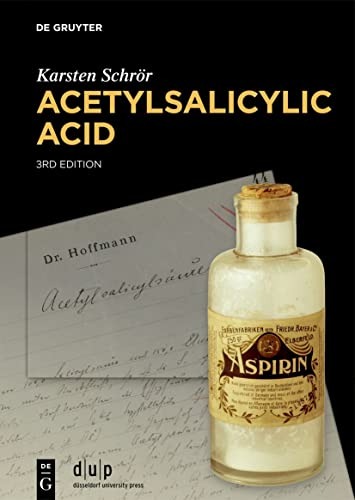
Acetylsalicylic Acid
Contains the latest results of clinical and pharmacological research on Acetylsalicylic acid, addressing the multiple pharmacological properties of this famous drug with a balanced view on their translation into clinical practice, including prevention and treatment of cardiovascular diseases, thromboinflammation and colorectal cancer. Understandable for clinicians, pharmacists, biomedical researchers and pharmacologists alike.
