



Page 2
Page 2

Clinical cases in implant dentistry
Presents 49 actual clinical cases, accompanied by academic commentary, that question and educate the reader about essential topics in implant dentistry, encompassing diagnosis, surgical site preparation and placement, restoration, and maintenance of dental implants. Unique case-based format supports problem-based learning Promotes independent learning through self-assessment and critical thinking Highly illustrated with full-color clinical cases Covers all essential topics within implant dentistry
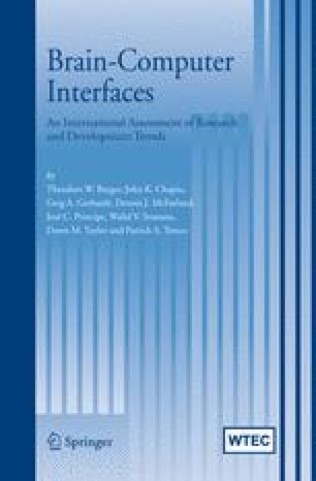
Brain-computer interfaces : An international sssessment of research and development trends
This WTEC study gathered information on worldwide status and trends in BCI research to disseminate to government decisionmakers and the research community. The study reviewed and assessed the state of the art in sensor technology, the biotic-abiotic interface and biocompatibility, data analysis and modeling, hardware implementation, systems engineering, functional electrical stimulation, noninvasive communication systems, and cognitive and emotional neuroprostheses in academic research and industry.
Biodentine : Properties and clinical applications
A comprehensive guide to BiodentineTM, an innovative biocompatible and bioactive material based on pure tricalcium silicate that can permanently replace dentin and can also serve as a temporary enamel substitute. Although BiodentineTM has been widely used across the world for the past decade, this is the first book to be devoted to its properties, interactions with the soft and hard tissues, and its multiple clinical applications. The coverage encompasses applications in primary and permanent teeth, in specialties as diverse as restorative dentistry, endodontics, paediatric dentistry, dental traumatology, and prosthetic dentistry. BiodentineTM application both in vital pulp therapy and endodontic procedures is illustrated and clinical step by step protocols are provided. The book provides a detailed update on BiodentineTM use to preserve the pulp vitality in direct/indirect pulp capping, pulpotomy and irreversible pulpitis treatment. It also details BiodentineTM use for non-vital teeth treatment in indications such as root/furcation perforation repair, apexification as well as in regenerative endodontic procedures.
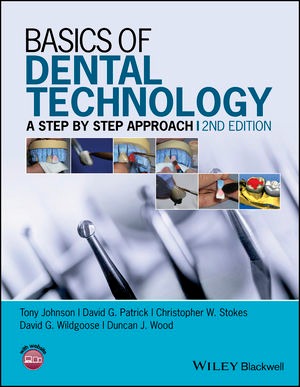
Basics of dental technology : a step by step approach
A complete reference for the current techniques and materials used in dental technology. Retains the accessible, task-based approach and step-by-step guidance. Features digital dental technology and an interactive student website to support self-assessment. Explains key competencies, concepts, instruments, and equipment, and also introduces more specialist techniques and procedures, such as denture prosthetics, fixed prosthodontics and orthodontic work. Provides essential information for trainee dental technicians and students learning about dental technology, including study tips and strategies for working effectively within a dental team
Advances in dentures: prosthetic solutions, materials and technologies
Includes eight chapters that focus on various important aspects of dental prosthetics and implantology, such as modern materials choices, prosthetic management of teeth malposition, and novel approaches to restoration design.
Advances in dental implantology using nanomaterials and allied technology applications
Discusses how nanotechnology has influenced the provision of implant treatment from surgery to prosthetic reconstruction and post treatment biological complications. It aims to present both the nanotechnology and allied research along with the clinical concepts of almost every different aspect of implantology in one volume.
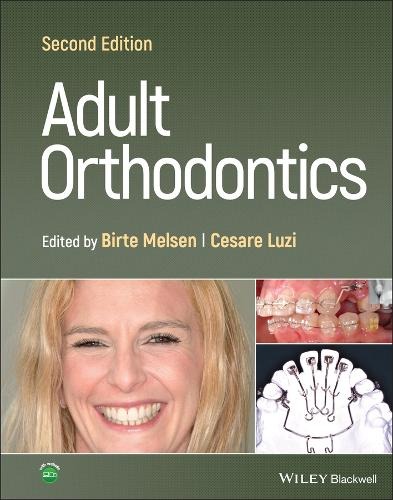
Adult Orthodontics
An authoritative resource on the subject of adult orthodontics, marrying together clinical guidance with a thorough evaluation of the evidence base. Sample topics discussed within the book include: Context for adult orthodontics, including patient demographics and aetiologyTreatment planning considerations, including patient case profiles, initial outcomes and longer-term expectationsInterdisciplinary and multidisciplinary approaches, including the links between adult orthodontics and periodontics, prosthetics, and temporomandibular disorders

A Study about Prevalence of Thalassemia Complications in Syrian Patients
Inherited haemoglobin disorders, including thalassemia and sickle-cell disease, are the most common monogenic diseases worldwide. Several clinical forms of α-thalassemia and β-thalassemia, including the co-inheritance of β-thalassemia with haemoglobin E resulting in haemoglobin E/β-thalassemia, have been described. The disease hallmarks include imbalance in the α/β-globin chain ratio, ineffective erythropoiesis, chronic hemolytic anemia, compensatory hemopoietin expansion, hypercoagulability, and increased intestinal iron absorption. The complications of iron overload, arising from transfusions that represent the basis of disease management in most patients with severe thalassemia. The mature Hb molecule is a tetramer composed of 2 a-globin and 2 b-globin polypeptides, which assemble, along with a heme prosthetic group, to form the complete molecule.
A History of Limb Amputation
This book traces humanity’s long experience of natural amputations due to congenital absence, disease, frostbite, toxins, domestic and wild animal trauma, and for non-medical reasons related to punitive, ritual, and legal actions, ultimately leading to the development of elective surgical amputation. While the evolution of surgical techniques forms a major chapter in the book, many ancillary problems are addressed including the control of hemorrhage and infection, the approach to pain relief, the development of suitable instruments and equipment, and the invention of prostheses, all suitably illuminated with case histories and relevant illustrations. In addition, alternative procedures designed to avoid amputation, increasingly important in the last two centuries, are debated, and factors associated with self-amputation in extremis, not rare according to press reports, are also examined. A separate chapter considers the philosophy and interpretations of society, patients, and surgeons faced with amputation, particularly before anesthesia.
4th Kuala Lumpur International Conference on Biomedical Engineering 2008 ; BIOMED 2008 25–28 June 2008 Kuala Lumpur, Malaysia
The topics covered in the conference proceedings include: Artificial organs, bioengineering education, bionanotechnology, biosignal processing, bioinformatics, biomaterials, biomechanics, biomedical imaging, biomedical instrumentation, bioMEMS, clinical engineering, prosthetics.
