



Page 2
Page 2

Dental Hard Tissues and Bonding : Interfacial Phenomena and Related Properties
This book comprehensively reviews bonding to enamel, dentin and cementum and analyses relevant adhesion mechanisms. Emphasis is placed on the characterization of material interfaces with dental tissues in situ. The volume also stresses the importance of appropriate experimental protocol design in facilitating clinically-relevant research methods, clarifies the mechanisms of adhesion of polymeric materials to hard dental tissues and furnishes a handy reference for routine clinical procedures in restorative and prosthetic dentistry as well as orthodontics. The book introduces important aspects of the chemistry of dental materials and their adaptation to dental hard tissues. It also analyses interfacial phenomena occurring during application of materials, including mechanical properties, and structural-compositional alterations. The text presents the current instrumental approaches in studying related issues and a summary of the current status of theories concerning bonding to dental tissues.

Dental Composite Materials for Direct Restorations
Covers both basic scientific and clinically relevant aspects of dental composite materials with a view to meeting the needs of researchers and practitioners. Following an introduction on their development, the composition of contemporary composites is analyzed. A chapter on polymerization explains the setting reactions and light sources available for light-cured composites. The quality of monomer-to-polymer conversion is a key factor for material properties. Polymerization shrinkage along with the associated stress remains among the most challenging issues regarding composite restorations. A new classification of dental composites is proposed to offer more clinically relevant ways of differentiating between commercially available materials.

Dental Ceramics : Fracture Mechanics and Engineering Design
This book is an evidence-based update on recent most significant advances in dental ceramics, specifically related to the relationships between composition, microstructure and mechanical behavior.

Dental caries : The selection of restoration methods and restorative materials
Includes seven chapters that focus on various important aspects of dental caries, including etiology, diagnosis, prevention, treatment, and management.

Dental biomaterials: from fundamental principles to clinical applications
Novel approaches are being developed to prevent and treat prevalent oral diseases like dental caries, periodontitis, and oral cancer. Researchers are also exploring the potential of biomaterials in regenerative dentistry, such as promoting bone growth and repairing damaged oral tissues.The ongoing research and development in dental materials and biomaterials holds great promise for improving oral health outcomes. However, it is imperative to maintain a sustained focus on research to fully leverage their potential and effectively address the existing gaps in dental care.In the special issue titled "Dental Biomaterials: From Fundamental Principles to Clinical Applications," significant findings have emerged from a variety of sources, including in vitro experiments and clinical trials.

Craig’s Restorative Dental Materials ; 1st ed.
Covers everything you need to know to understand the science of selecting dental materials when designing and fabricating restorations. It begins with fundamentals and moves on to advanced skills in the manipulation of dental materials, providing insight on the latest advances and research along the way. From an expert author team led by Ronald Sakaguchi, this comprehensive resource is considered to be the standard in the field of dental restorations.

Contemporary Esthetic Dentistry
Covering both popular and advanced cosmetic procedures, Contemporary Esthetic Dentistry enhances your skills in the dental treatments leading to esthetically pleasing restorations. Then covers essential topics such as ultraconservative dentistry, color and shade, adhesive techniques, anterior and posterior direct composites, and finishing and polishing. Popular esthetic treatment options are described in detail, including bleaching or tooth whitening, direct and porcelain veneers, and esthetic inlays and onlays.
Materials, Chemicals and Methods for Dental Applications
Focuses on the materials used for dental applications looking at the fundamental issues and the developments that have taken place the past decade. While it provides a broad overview of dental materials, the chemicals that are used for the preparation and fabrication of dental materials are explained as well. Also, the desired properties of these materials are discussed and the relevance of the chemical, physical, and mechanical properties is elucidated. Methods for the characterization and classification, as well as clinical studies are reviewed here. In particular, materials for dental crowns, implants, toothpaste compositions, mouth rinses, as well as materials for toothbrushes and dental floss are discussed. For example, in toothpaste compositions, several classes of materials an chemcials are incorporated, such as abrasives, detergents, humectants, thickeners, sweeteners, coloring agents, bad breath reduction agents, flavoring agents, tartar control agents, and others. These chemicals, together with their structures, are detailed in the text.
Materials science for dentistry
A standard resource for undergraduate and postgraduate courses in dentistry. It provides fundamental coverage of the materials on which dentistry depends, covering the structure and chemistry that govern the behavior and performance of materials. Particular classes of materials include gypsum, polymers, acrylic, cements, waxes, ceramics and metals. Other chapters review surfaces, corrosion, mixing, casting, cutting and bonding, and mechanical testing. This updated edition, which includes substantial chapters on chemistry, has been extensively revised with new material on temporary restoration resins, hydraulic silicate cements and the practical aspects of wetting surfaces. Mindfully written to provide explanations for behavior, formulation, clinical and laboratory instructions and procedures, there is no comparable resource for researchers, students, teachers and practitioners in the field of dentistry.

Materials for medical applications : Principles and practices
Discusses advanced knowledge about the synthesis and application of materials in the medical field for diagnostic and therapeutic conditions. These materials have been extensively used in various biological and medical applications, especially in drug delivery, tumor screening, bioimaging, diagnosis, and therapies. Materials for Medical Applications provides comprehensive but concise information about materials and their medical applications. The readers will get information about the trends in materials and their medical applications, as well as current material-based products that are used in the medical field. The book also discusses how materials are tested in research laboratories, preclinical (animal) trials, and clinical (human) trials, and how material-based products go through various regulatory and safety phases before reaching patients. It also discusses topics such as materials delivery, imaging, and treatments for various diseases. It includes a chapter dedicated to regulatory guidelines and policies in the application of nanomaterials and will include current clinical trial information on the materials. Finally, the book has topics such as health safety, toxicity, dosages, and long-term implications of materials.
Comprehensive esthetic dentistry
Allows a clinician to shape dental treatment and elevate patient smiles. Based on scientific research, clinical evidence, and the practical experience of the authors, this book is a practical approach to esthetic dentistry.
Composite and polymeric materials for dentistry: enhancing antimicrobial and mechanical properties
Focuses on enhancing antimicrobial and mechanical properties of polymeric materials and composites for dentistry. In recent years, special attention has been focused on the possibility of giving materials new or improved properties by the introduction of nano or submicron size additives, fibers or whiskers. Another area of research is the application of antibacterial monomers, which can be copolymerized in resins to kill oral pathogenic microflora. In addition, we are currently looking for new data regarding colonization of dental materials by pathogenic microbes and their influence on the other properties. Further, there are many new commercially available materials which should be investigated to verify their properties, which is important from the point of view of clinical practice. Original new research and reviews related to any of the topics mentioned above indicate the current directions of development of dental materials.

Comparative analysis of failure mods in fiber posts, ever-x, ribboned fiber and natural teeth (control)
This randomized controlled trial aims to compare the failure modes of different restorative materials, including fiber posts, Ever-X, ribboned fiber, and natural teeth, under mechanical stress. Understanding the failure behavior of these materials will guide clinicians in selecting the most durable and repairable options for dental restorations.

Clinical guide to principles of fiber-reinforced composites in dentistry
Fiber-reinforced composites (FRCs) are a novel group of dental materials characterized by fibrous fillers that are being increasingly used in place of traditional prosthodontic materials. They allow fabrication of minimally invasive, lightweight, durable and biocompatible restorations. This book will provide clinicians and students with theoretical and clinical guidelines to use the FRCs for dental applications. The book begins with an introduction to the fundamentals of FRCs in dentistry. Further chapters cover the treatment possibilities, fabrication and application procedures of FRCs, followed by information on care and maintenance.
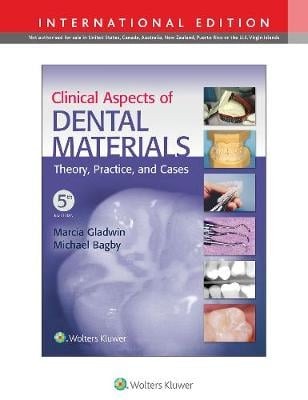
Clinical aspects of dental materials : Theory, practice, and cases
The book’s three-part structure addresses types of dental materials in the 22 chapters of Part I, includes laboratory and clinical applications (essentially a built-in lab manual) in Part II, and presents 11 case studies in Part III that serve as an overall review and help students strengthen their critical thinking skills when providing patient care.
Celebrating applied sciences reaches 20,000 articles milestone: invited papers in "applied dentistry and oral sciences" section
Encompasses a wide range of disciplines, covering everything from dental materials and biomaterials to preventive and therapeutic strategies, from clinical applications to regenerative dentistry.We envision this milestone as a stepping stone toward even greater accomplishments. Through the collaboration and collective efforts of researchers worldwide, we strive to push the boundaries of dental science, explore new frontiers, and improve oral health outcomes for individuals across the globe.
Bulk Fill Resin Composites in Dentistry : A Clinical Guide
Dedicated to all relevant aspects of bulk fill materials and their uses in clinical practice. Today, we count over 30 different bulk fill materials, which can be used in the dental clinic. The composition of bulk fill materials and their different modes of application for moderate to large direct resin restorations placement are explained in this book. It is written by a group of international specialists and allows the reader to evaluate available materials, learn predictable techniques and evaluate long term survival as well as future developments. The book covers all fields related to the history of bulk fill composites, their composition and physical properties, and a step by step guide to their successful clinical applications.

Biomimetic restorative dentistry
Biomimetic dentistry represents a significant advancement in restorative practices, emphasizing the preservation of natural tooth structure and the use of innovative materials that closely mimic biological tissues. This article explores the potential impact of biomimetic approaches on patient outcomes, highlighting key findings that demonstrate improved longevity of dental restorations and reduced incidence of secondary caries.
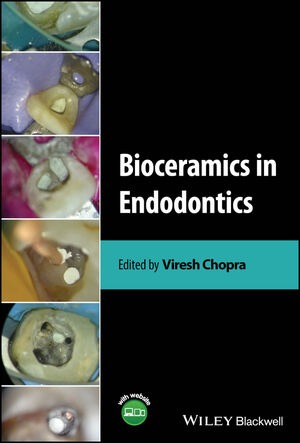
Bioceramics in endodontics
Focuses on overall makeup of dental bioceramics and relevant clinical situations in endodontics. Blends together detailed information on the physico-chemical and biological properties of bioceramics with their clinical application in endodontics, exploring history and chemistry, mechanical properties, advantages of bioceramics over other materials, and clinical cases with high definition pictures and videos demonstrating their usage across wide variety of clinical situations in endodontics.
Bioceramic Materials in Clinical Endodontics
This book focuses on hydraulic calcium silicate-based materials available in clinical dentistry, used as pulp capping materials, root canal sealers, root-end fillers, or root repair materials and which offer improved properties and easier clinical application compared with the original mineral trioxide aggregate. The book introduces the current classification of bioceramic materials and explains their characterization and their physicochemical and biological properties.
