



Page 2
Page 2

Brain and Heart Dynamics
Despite the increasing awareness that neural mechanisms are the primary cause of cardiac disease and its progression, therapy continues to focus on end-organ protection and does not approach the neural core of the problem. Growing public health problems such as heart failure are still treated with autonomic drugs that are 30-40 years old and simply act on cardiac receptors. However, it has now been shown that the progression of ischemic heart disease to heart failure is mainly due to abnormal central responses to incipient cardiac disease, with neural activation the primary cause rather than the consequence of cardiac remodeling.
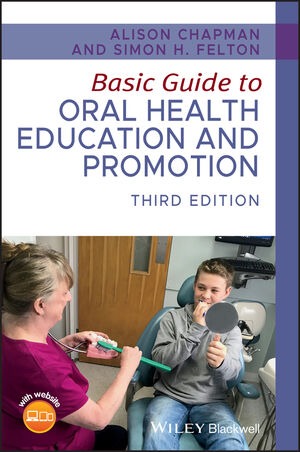
Basic guide to oral health education and promotion ; 3rd ed.
An essential guide to help dental nurses prepare for a qualification in Oral Health Education and thereafter practice as an Oral Health Educator. It will help readers confidently educate patients about diseases and conditions that affect the oral cavity, and support their prevention, treatment, and management. Offers a guide for dental nurses taking a post-registration Certificate in Oral Health Education Is fully updated to reflect changes in the industry, science, and course syllabus Incorporates information on the new classification of periodontal and peri-implant diseases Contains new information on topics including dementia, denture advice, and burning mouth syndrome Includes an expanded section on promotion

Alzheimer's disease : Peptide vaccine and immunotherapy
Peptide vaccines and immunotherapies against aggregating proteins involved in the pathogenesis and progression of Alzheimer's disease (AD) the ẞ-amyloid peptide (Aẞ) and tau are promising therapeutic avenues against AD. Two decades of effort has led to the controversial United States Food and Drug Administration (FDA) approval of the monoclonal antibody Aducamumab (Aduhelm), which has subsequentially sparked the revival and expedited review of promising monoclonal antibody immunotherapies that target Aẞ.

Alzheimer's Disease
Alzheimer is a disease which has not a cure yet, and about 10% of the population worldwide will suffer from it. However younger people may also develop this disease mainly at 45 years old mainly women who has double the rate of incidence since 1 if five women will certainly develop it. Therefore the goal of our research is to study first of all the history of such popular disease and its risk factors and current therapies or iagnostic tools and more important we will introduce a test which was discovered few months ago to predict the risk of developing Alzheimer few decades before it occurs and we will apply it in our laboratories in Syria as well. Beside this preventive test we will add also a very important diet to follow up by people who has a family history.
Alzheimer : 100 Years and Beyond
Few medical or scientific addresses have so unmistakeably made history as the presentation delivered by Alois Alzheimer on November 4th, 1906 in Tübingen. The celebratory event, "Alzheimer 100 Years and Beyond" organized on the initiative of the Alzheimer community in Germany and worldwide, in collaboration with the Fondation Ipsen, at the very site of the original lecture, namely the Institute of Psychiatry at the University of Tübingen in Germany from November 2nd to 5th, 2006, was the highlight of the Alzheimer Year. Over the last century of Alzheimer research (1906-2006), remarkable progress has been achieved. Most of the authors of the major discoveries and the people involved in research in this field will present, during the meeting and in this volume, the pioneering research explaining the conditions under which they were conducted. The goal of this book is to honor the work accomplished, to summarize the most important knowledge and to provide material for the history of science.
Aging Well : Solutions to the Most Pressing Global Challenges of Aging
Outlines the challenges of supporting the health and wellbeing of older adults around the world and offers examples of solutions designed by stakeholders, healthcare providers, and public, private and nonprofit organizations in the United States. The solutions presented address challenges including: providing person-centered long-term care, making palliative care accessible in all healthcare settings and the home, enabling aging-in-place, financing long-term care, improving care coordination and access to care, delivering hospital-level and emergency care in the home and retirement community settings, merging health and social care, supporting people living with dementia and their caregivers, creating communities and employment opportunities that are accessible and welcoming to those of all ages and abilities, and combating the stigma of aging. The innovative programs of support and care in Aging Well serve as models of excellence that, when put into action, move health spending toward a sustainable path and greatly contribute to the well-being of older adults.
A Multidisciplinary Approach to Capability in Age and Ageing
This book provides insight on how to interpret capability in ageing – one’s individual ability to perform actions in order to reach goals one has reason to value – from a multidisciplinary approach. the book describes this demographic trends as well as the large global challenges and important societal implications this will have such as a worldwide increase in the number of persons affected with dementia, and in the ratio of retired persons to those still in the labor market. Through contributions from many different research areas, it discussed how capability depends on interactions between the individual (e.g. health, genetics, personality, intellectual capacity), environment (e.g. family, friends, home, work place), and society (e.g. political decisions, ageism, historical period).
