



Page 2
Page 2

Design of the residential building in Damascus
تصميم مبنى برجي سكني متعدد الوظائف مؤلف من عشر طوابق سكنية وكل طابق مؤلف من أربع شقق سكنية بالأضافة إلى الطابق اللأرضي المؤلف من البهو والمكاتب التجارية ويوجد في القبو غرف التدفئة والتكييف بالإضافة إلى الرامب المعد للسيارات وتخديمها للبناء.

Design of residential tower in the Damascus city
The Project is a Residential building in the city of Damascus. The bulding consisting of a shelter and basement and ten stories and each story consists of four apartments.

Design of residential tower
The project is of a residential tower in Mashro Domar (Damascus suburbs). The building consists of two basements, ground floor and 13 typical floors, the basement is used as a car Parking and storage area.

Design of residential building in Damascus
تصميم مبنى سكني مكون من: قبو، الطابق الأرضي، طابق متكرر والارتفاع الطابق h= 3.3m، يحوي المبنى مصعدين ودرج.

Design of residential building in Damascus
The structural form of this building contains 15 storys and one basement. In our project, the ultimate limit state design method is mainly used for the superstructure Building which is considered to be the most economical design method.

Design of residential building
The project is a mass of multi-story residential building is located in Damascous city. The building consists of one basement, ground floor and 17 typical floors, the basement are used as a car Parking and shelter.

Design of hospital building at Damascus
Design of Hospital Building تصميم مبنى مشفي في مدينة دمشق

Design of commercial building in Damascus
تصميم سكني وتجاري يتألف من: قبو والطابق الأرضي، 8 طابق متكرر والارتفاع الطابق h= 3m، يحوي المبنى مصعدين ودرج ثلاثي الشواحط.

Design and performance of tall buildings for wind
Design and Performance of Tall Buildings for Wind, MOP 143 provides a framework for the design of tall buildings for wind, based on the current state-of-practice in tall building structural design and wind tunnel testing

Design Added Value : How Design Increases Value for Architects and Engineers
Enables architects, engineers, contractors and owner-clients of buildings to benefit from extraordinary design and construction features. It explains the rationale and motivation for D-AV methodology, outlines and illustrates this methodology with examples, provides complete and detailed examples of how the key analysis techniques work through historical case studies, and describes specific methods used in application of the D-AV methodology, such as Bayesian statistics, cost benefit analysis, pairwise comparison techniques, cognitive walkthroughs, and optimization.

Design a residential building in Damascus
A building which consist of 13 stories (12floors + 1basement), it’s a residential building, The height of each story is 3.3m and the height of the basement is 3.75 m, The height of whole building is 46.8m.

Dense + Green cities : Architecture as urban ecosystem
In which ways does a "green building" contribute to the ecology of its surroundings? And how can ecologically designed urban districts, with their green and blue networks, link up with the elements and technologies of building design? All dimensions of "green building" are investigated in this book in an effort to understand and evaluate some of the most recent and innovative Dense+Green Cities in Asia, the Americas and Europe.

Data-driven BIM for Energy Efficient Building Design
Conceptualises the scale and spectrum of Building Information Modelling (BIM) and Artificial Intelligence (AI) approaches in energy efficient building design and to develop its functional solutions with a focus on four crucial aspects of building envelop, building layout, occupant behaviour and heating, ventilation and air-conditioning (HVAC) systems. Drawn from theoretical development on the sustainability, informatics and optimisation paradigms in built environment, the energy efficient building design will be marked through the power of data and BIM-intelligent agents during the design phase.

Cultural center
الكتلة الأولى: تحتوي بشكل رئيسي على المدرج بالإضافة إلى صالات التدريب والغرف المخدمة. الكتلة الثانية: تحتوي على المكتبات و الغرف الإدارية بالإضافة إلى دورات المياه.

Creating Healthy and Sustainable Buildings : An Assessment of Health Risk Factors
The book discusses human health and wellbeing within the context of built environments. It provides a comprehensive overview of relevant sources of literature and user complaints that clearly demonstrate the consequences of lack of attention to health in current building design and planning. Current designing of energy-efficient buildings is mainly focused on looking at energy problems and not on addressing health. Therefore, even green buildings that place environmental aspects above health issues can be uncomfortable and unhealthy, and can lead to public health problems. They point to the need for public health specialists, engineers and planners to come together and review built environments for human wellbeing and environmental sustainability. The authors therefore present a tool for holistic decision-making processes, leading to short- and long-term benefits for people and their environment.

Construction 4.0 : advanced technology, tools and materials for the digital transformation of the construction industry
Construction 4.0 Advanced Technology, Tools and Materials for the Digital Transformation of the Construction Industry provides readers with a state-of-the-art review of the ongoing digital transformation of the sector within the new 4.0 framework, presenting a thorough investigation of the emerging trends, technologies, and strategies in the fields of smart building design, construction.

Commercial and apartment building
Residential Commercial Building Project. Built in Morata City, Damascus, Syria. This Project consists of a building made up of: One Basement, One Parking Lot, Five Commercial Floors, Seven Apartments, A Hall Made for Sports.

Comfort and Perception in Architecture
This book discusses the design of comfortable buildings and shows that design perception and, as a result, comfort should be an intentional feature of architectural design. Modern buildings are often sealed boxes without operable windows or daylighting design. However, contemporary designers increasingly find themselves faced with the task of creating spaces that are comfortable in terms of thermal and visual aspects.
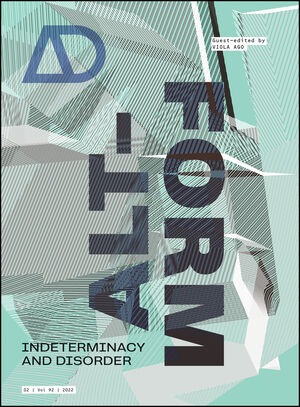
lt-Form : Indeterminacy and Disorder
Aims to reach peripheral disciplines in order to support an architecture that no longer operates as a standalone field of study, and is rather one that responds to broader, urgent and pluralistic cultural shifts.
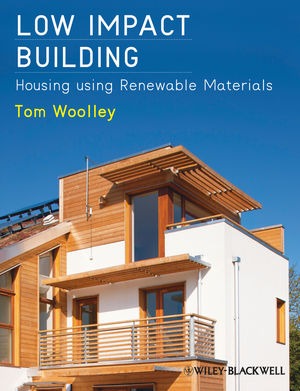
Low impact building : Housing using renewable materials
Guides to the designs, technologies and materials that really make green buildings work will help architects, specifiers and clients make informed choices, based on reliable technical information. Low Impact Building: Housing using Renewable Materials is about changing the way we build houses to reduce their 'carbon' footprint and to minimise environmental damage. One of the ways this can be done is by reducing the energy and environmental impact of the materials and resources used to construct buildings by choosing alternative products and systems. In particular, we need to recognise the potential for using natural and renewable construction materials as a way to reduce both carbon emissions but also build in a more benign and healthy way.
