



Page 18
Page 18
Le cancer du sein = Breast cancer
The reader will find there both a synthetic summary of the current state of knowledge of epidemiology, risk factors and pathological aspects as well as a presentation of the surgical aspects, in particular, of the new approach that constitutes the sentinel node procedure. Radiotherapy, in a practical view, is divided into essential clinical questions. The medical treatment is then discussed according to the different situations encountered on a daily basis. Particular attention is of course paid to recent data both with the contribution of hormone therapy and targeted therapies. Finally, the symptomatic treatments and especially the psychological care of these patients are not forgotten.
La phytocosmétologie thérapeutique = Herapeutic phytocosmetology
Deals with restorative cosmetology. This is understood through the eyes of the doctor specializing in phytotherapy. Three main aspects are discussed: the diagnosis of disturbance of the skin and integuments, external treatment with natural substances, as well as oral treatment (internal treatment). Oral cosmetology has no official recognition, yet the effects of plant extracts on the condition of the skin and integuments are well known. After an introduction to the physiology of the skin, the dosage and the phenomena of skin deterioration, the author discusses different types of treatment depending on the extracts used while explaining their mode of action. This work was written by a doctor, Doctor Paul Goetz, teacher in clinical phytotherapy, and a pharmacist, Doctor Christian Busser, pharmaceutical and scientific advisor, doctor in ethnology and ethnopharmacologist.
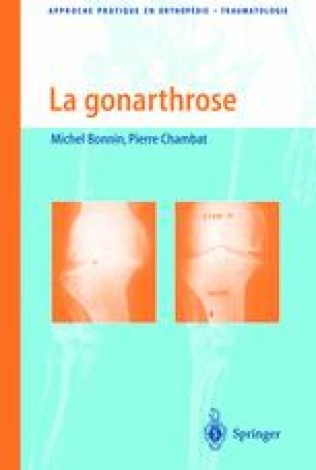
La gonarthrose : Traitement chirurgical : De l´arthroscopie à la prothèse = Knee osteoarthritis : Surgical treatment : from arthroscopy to prosthesis
The aim of this work is to take stock in a clear and didactic way on all the current knowledge on osteoarthritis of the knee and its treatment. It successively addresses the diagnosis and the medical treatment, then the surgical treatments then finally the various aspects of the total knee prosthesis. This book is designed to be read at several levels: basic information is intended particularly for non-specialist or trainee surgeons, rheumatologists, rehabilitation physicians, radiologists and physiotherapists. More specialized aspects are discussed in a second part of the book concerning the future of medical treatment (biology, gene therapy) and certain complex problems of surgical techniques. The points of controversy concerning the total knee replacement are discussed in the last part of the book, of interest to physicians and surgeons.
La disprassia in età evolutiva : Criteri di valutazione ed intervento = Dyspraxia in developmental age : Evaluation criteria and intervention
As clinical and rehabilitation practice shows, children with dyspraxia are unable to plan and organize an action plan; they cannot control what they are doing during an action; therefore, they cannot do something, but we could also admit that they cannot yet do something; that is, they have not yet learned to perform functions. Functions and actions, however, can be learned and performed with the help of targeted exercises performed consistently. It is, however, essential to recognize the difficulties children with dyspraxia face when faced with new, unusual tasks. The author proposes an assessment and intervention model that takes into account etiological and neuropsychological hypotheses, emphasizing the need to proceed with an analysis on multiple levels: perceptual, motor, and representational. Particular importance is given to early diagnosis and intervention to define and implement appropriate treatment plans. The work concludes with the analysis and description of clinical cases related to some specific forms of dyspraxia: verbal dyspraxia and dysgraphia.
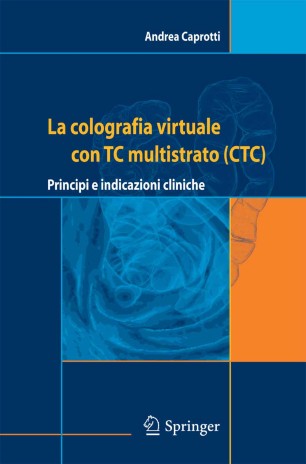
La colografia virtuale con TC multistrato (CTC) = Virtual colonography with multislice CT
With the spread of multidetector row CT (MDCT), virtual colonography (VC) is establishing itself as a new, proven alternative radiological method in the diagnosis of intestinal polyps and colorectal cancer. VC is already considered the first-line examination for identifying synchronous tumor lesions in patients with colorectal cancers that cannot be penetrated by endoscope, simultaneously providing accurate staging of malignant lesions. Its minimally invasive nature makes VC a valid alternative to pancolonoscopy, even in the detection of intestinal polyps, and provides the basis for interesting developments regarding future applications in screening programs. The text, aimed at radiologists who are approaching the method, radiology technicians and doctors involved in the diagnostic and therapeutic process of colorectal pathology, indicates the advantages of the normal method, the normal method with fourteen chondrii, the normal method with fourteen chondrii, the pathological method with fourteen chondrii indications.

Kumar and Clarks cases in clinical medicine
Provides a comprehensive collection of over 200 real-life clinical cases designed to support clinical reasoning and enhance diagnostic and management skills through case-based learning. The cases cover a wide range of acute symptoms and conditions encountered in medicine, with clear and concise advice on diagnosis and management. The level of detail is ideal for exam revision as well as to support junior doctors and other healthcare professionals on the wards.

KI 2005 : Advances in Artificial Intelligence ; 28th Annual German Conference on AI, KI 2005, Koblenz, Germany, September 11-14, 2005, Proceedings
Constitutes the refereed proceedings of the 28th Annual German Conference on Artificial Intelligence, KI 2005, held in Germany. This work presents papers organized in topical sections on knowledge representation and reasoning, machine learning, diagnosis, neural networks, planning, robotics, and cognitive modeling, philosophy, natural language.

Jaundice
Jaundice in an adult patient can be caused by a wide variety of benign or life-threatening disorders. Organizing the differential diagnosis by prehepatic, intrahepatic, and posthepatic causes may help make the work-up more manageable. Prehepatic causes of jaundice include haemolysis and hematoma resorption, which lead to elevated levels of unconjugated (indirect) bilirubin. Intrahepatic disorders can lead to unconjugated or conjugated hyperbilirubinemia. The conjugated (direct) bilirubin level is often elevated by alcohol, infectious hepatitis, drug reactions, and autoimmune disorders. Posthepatic disorders also can cause conjugated hyperbilirubinemia. Gallstone formation is the most common and benign posthepatic process that causes jaundice; however, the differential diagnosis also includes serious conditions such as biliary tract infection, pancreatitis, and malignancies.

ITI treatment guide ; Vol.13 : Prevention and management of peri-implant diseases
Provides clinicians with the latest evidence-based information on the prevention and management of peri-implant diseases. This information is based in part on the proceedings of the 6th ITI Consensus Conference held in Amsterdam in 2018, as well as on a review of the current literature. Seventeen clinical cases presented by experienced clinicians from all over the world illustrate the diagnosis and treatment of peri-implant diseases.
Complications in Endodontic Surgery : Prevention, Identification and Management
Presents up-to-date recommendations for the prevention, diagnosis, and management of complications in endodontic surgical procedures, based on the best available scientific evidence.
Complex dental implant complications
This book offers up-to-date guidance in the diagnosis and management of the various complex complications that may be encountered during or after the placement of dental implants. The aim is to raise the awareness of clinicians regarding such complications and to equip them with the knowledge needed in order to deal with complications promptly and effectively.

Compartment Syndrome : A Guide to Diagnosis and Management
Compartment syndrome is a complex physiologic process with significant potential harm, and though an important clinical problem, the basic science and research surrounding this entity remains poorly understood. This book fills the gap in the knowledge of compartment syndrome, re-evaluating the current state of the art on this condition. The current clinical diagnostic criteria are presented, as well as the multiple dilemmas facing the surgeon. Pathophysiology, ischemic thresholds and pressure management techniques and limitations are discussed in detail. The main surgical management strategy, fasciotomy, is then described for both the upper and lower extremities, along with wound care. Compartment syndrome due to patient positioning, in children and polytrauma patients, and unusual presentations are likewise covered. Novel diagnosis and prevention strategies, as well as common misconceptions and legal ramifications stemming from compartment syndrome, round out the presentation.

Community-Acquired Pneumonia : The reality of Pneumonia and the most responsible Pathogens with Diagnosis, Treatment, and Prevention
This labor will discuss community acquired pneumonia as a disease associated with death and as a problem in order to solve it. As a disease I showed a definition of it, how it occurs, the sign and symptoms, risk factor, epidemiology, mortality, causes, and pneumonia in children. And as a problem I present how the world deals with this disease and suggest how we should deal with it in our country abilities, By mention satisfactory and studies associated with diagnosis, treatment, and prevention of CAP then discuss it all one by one in way that produce good quality according to our facilities.
Community-Acquired Pneumonia
Community-acquired pneumonia (CAP) is a disease associated with high morbidity and mortality, with at least one third of cases requiring hospitalization, exceeding the numbers admitted for myocardial infarction and stroke. Despite a broad armamentarium of antimicrobials available, it remains an important cause of death in industrialized countries. CAP is caused by a variety of pathogens with their order of importance dependent on the location and population studied. Despite the importance of CAP, reliable data and a recommended evidence-based therapy are lacking, and basic research must be improved. The goal of this volume is to present state-of-the-art knowledge on epidemiology, clinical presentation, immunology, pathology, and diagnosis including the identification of "new pathogens". Therapeutic approaches, antibiotics resistance, disease management and vaccination strategies are also covered. The volume is of interest to researchers and clinicians in virology, epidemiology and biomedicine.
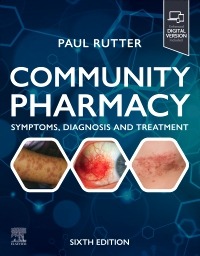
Community pharmacy : symptoms, diagnosis and treatment
Support pharmacists in identifying, diagnosing, treating or referring the illnesses and conditions they will commonly encounter in the community. A logical structure covers the full range of common presentations, including respiratory, ear, eye, gastroenterological and skin conditions. Clear pictures, referral criteria and summaries of treatment options support clinical reasoning, differential diagnosis and selection of appropriate products. Suitable for both pharmacy students and qualified pharmacists, the sixth edition has been fully updated to align with changes to the pharmacy curriculum and the rapidly expanding scope of pharmacists working in primary care and community pharmacy.
Communication in Cancer Care
This textbook represents one of the most fnding a way to support their loved one and help comprehensive as well as clinically relevant - them maintain hope, advocate on their behalf, ited volumes on the subject of communication help collect and integrate information. Tis must in cancer care to appear to date.
Common Eye Diseases and their Management
There have been significant advances in the diagnosis and management of eye disease since the last edition of Common Eye Diseases and their Management was published. The specialty has developed more subspecialties, and the referring doctor has to have a good knowledge of these in order to make appropriate referrals. An increased emphasis on screening has made it necessary for the primary care doctor to have a basic knowledge of eye diseases. This applies particularly to glaucoma and diabetic eye disease. The management of eye conditions in the elderly is also an important and increasing primary care problem.
Common complications in endodontics : Prevention and management
Describes the most commonly encountered endodontic complications and provides up-to-date information on their prevention and management. The opening chapters explain the importance of accurate diagnosis and treatment planning, outline the role of digital radiography and CBCT in managing complications, and highlight the need for close attention to anatomic landmarks in order to avoid damage to neurovascular anatomy. Endodontic problems associated with different procedural errors are then discussed in detail, covering a wide variety of access- and instrumentation-related complications and the difficulties that may arise when using obturation techniques. Readers will also find information on the endodontic–periodontal relationship, special issues in geriatric patients, and the potential medical emergencies and precautions in specific patient subsets.

Clinical nuclear medicine
Clinical Nuclear Medicine … focuses on the universal state of the art in both diagnostic and therapeutic radionuclide methodology. … This book is easily readable, with presentation of essential points and plentiful references, and the quality of the figures and tables is excellent. … is a useful guide to students, technologists, and practitioners in nuclear medicine and radiology, as well as to general physicians who request nuclear diagnosis or treatment. … will be a welcome contribution to the bookshelf of nuclear medicine or radiology clinics.
Clinical Neuro-Ophthalmology : A Practical Guide
Clinical Neuro-Ophthalmology is a challenge for residents and experienced clinicians alike. This book covers all relevant techniques of diagnosis as well as interpretations of clinical signs. All information is highly structured, highlighting ‘definition’, ‘note’ and ‘pearl’, so that it can also be used by the physician during the patient encounter. The included flow chart posters remind the physician of the most important information.
