



Page 15
Page 15

Community schools : Designing for sustainability, wellbeing and inclusion
Reconsiders what is required from physical school environments, building on the learning gathered from the sector over the past two decades. To meet the new social, environmental and economic challenges it advocates designing differently, both in terms of the form that buildings take and the evaluation of their impact and performance. By calling for a reframing of the way that schools are regarded as community-wide amenities, this book explores the potential for architects to deliver design in a manner that supports healthy lifestyles and promotes wellbeing. Through encouraging social connections, new possibilities open up for educational facilities to become open, welcoming and inclusive. Featuring: Over 12 international case studies from practices including: Architype, Argyll + Bute, Bogle Architects, DRMM, Revaerk, Scott Brownrigg and XDGA. Key themes of wellbeing, connectivity, inclusion, indicators and evaluation. Practical guidance and learning points throughout. A new design brief for community schools

Communities of practice to actively manage best practices
Stefano Borzillo examines a large variety of CoPs by means of six success factors and identifies three basic types: innovating strategic, operational excellence, and social and productive space CoPs.

Clinical metabolomics applications in genetic diseases
Helps readers discover the forefront of personalized medicine on clinical metabolomics and its applications in genetic diseases. This comprehensive guide offers a functional relationship map between cell components and genetic variations in various diseases, providing insights that can be applied to personalized medicine. Covers the latest developments in metabolomics for health, with practical guidance for clinical experts looking to advance their laboratory techniques and career. The metabolomics profile is a powerful tool that has revolutionized our understanding of the relationship between genetics, clinical readouts, and disease outcomes. By integrating metabolomics with genomics and clinical phenotypes, the authors have developed diagnostic and prediction models that have vastly improved patient outcomes and deepened the understanding of disease mechanisms.

Clinical cases in early orthodontic treatment an atlas of when, how, and why to treat
Describes the most common types of malocclusion in children and presents illustrated step-by-step guidance on the procedures employed in their management, with the focus on early intervention. Advice is provided on the challenging decisions of when to start orthodontic treatment and whether to choose a one-phase or a two-phase treatment, taking into account the malocclusion, its severity, and its etiology.

Clinical aspects of dental materials : Theory, practice, and cases
The book’s three-part structure addresses types of dental materials in the 22 chapters of Part I, includes laboratory and clinical applications (essentially a built-in lab manual) in Part II, and presents 11 case studies in Part III that serve as an overall review and help students strengthen their critical thinking skills when providing patient care.

Clinical applications of botulinum toxin
Botulinum toxin (BoNT) is a neurotoxin produced by the Gram-positive, rod-shaped, sporeforming anaerobic bacterium Clostridium botulinum. Although there are seven major serotypes of Botulinum Neurotoxin (BoNT/A-G), only type A and B are used clinically. For the purpose of this research paper, we will refer to this agent as BoNT. This research paper primarily serves to provide a historical review of the toxin, assess its mechanism of action, and highlight the most common clinical applications of BoNT therapy across multiple medical specialties in an organized, specialty-based manner, including their complications and recommended BoNT dosages.

Climate change : Environment and history of the Near East
When the ?rst edition of this book was published in 2004, the following year 2005 has happened to have been the warmest year since 1880, when the ?rst reliable worldwide instrumental records came into existance. Claiming no li- age between the publication of our book and the temperature record, yet this record demonstrates the trend of increase in the global surface temperatures during thepast20years,reinforcedbyevidenceofriseofatmosphere’sand oceans’ temperatures, and increased melting of ice and snow in the arctic and antarctic regions as well as on mountain tops. All these observations are par- leled by the increase in the quantity of heat trapping gases in the atmosphere, causing most probably, the global greenhouse effect. In order to try and predict, what might be the impact of this effect on the on the natural and human environments of the Near East, (Figs. 1–1d) the authors adopted the saying that the past is the key for the future. The practical conclusion of this principle says that the acquiring knowledge of the impact of past climate changes on the nature and human societies, may allow conclusions with regard to future possible impact of climate changes. By correlating proxy data of all types, paleo-sea and lake levels, paleo-hydrology, pollen pro?les, environmental isotopes as well as archaeological and historical documents, the authors tried to collect as much as possible of this knowledge.

Clashes of Knowledge : Orthodoxies and Heterodoxies in Science and Religion
"Clashes of Knowledge" is the first volume of a series called "Knowledge and Space" dealing with spatial disparities of knowledge and the impact of the spatial context on the production and application of knowledge. The contributions in this book explore the conflicts between various types of knowledge, especially between orthodox and heterodox knowledge systems, which range from religious fundamentalism to heresies within the scientific community itself.
Chromosomal alterations : Methods, results and importance in human health
Cytogenetics is a very important research tool in basic and applied research. The uses of cytogenetics in human-population monitoring, in biological dosimetry in radiation accidents and in astronauts and as a predictive measure of cancer are topics discussed in this book. The book will help the reader to better understand cytogenetics and the intricacies of the methodology. The different methods of fluorescence in situ hybridization are discussed and the results achieved are presented. The book provides a comprehensive review of basic and applied aspects of cytogenetics and therefore will be of interest to all who are interested in chromosomes and their alterations by different types of mutagens, including chemical mutagens and ionizing and nonionizing radiation, with special reference to electromagnetic fields.

Chiral Diazaligands for Asymmetric Synthesis
The use of phosphine derivatives has historically induced the tremendous development of catalysis (both non-asymmetric and asymmetric). Although the chemistry of amines is more documented, the use of nitrogen-containing ligands only appeared recently. Nevertheless, during the last ten years, the results describing chiral diamine preparations and their uses in asymmetric catalysis and synthesis are increasing faster than their phosphorus counterparts. The reader will find in this volume the most recent methods for the synthesis of chiral diamines as well as their applications in asymmetric catalysis of CC bond formation. Particular attention will be given to spartein and derivatives of such diamines. Recently, the particular properties and the chemistry of amines allowed to obtain catalysts easy to separate and recycle and new types of ligands such as diaminocarbenes, ureas and thioureas. Finally, the complexing properties of some diamines allowed the formation of complexes with chirality "at the metal " which is of major theoretical interest and presents numerous potential applications.
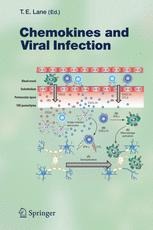
Chemokines and Viral Infection
This edition of Current Topics in Microbiology and Immunology examines the role of chemokines and chemokine receptors in host defense and disease development following viral infection. Chemokines represent a family of over 40 small proteins that, for the most part, are secreted into the environment and function by binding to G protein-coupled receptors (GPCRs) that are expressed on numerous different cell types. When initially identified close to 30 years ago, these molecules were associated with various human inflammatory diseases and it was recognized that expression may be integral in leukocyte recruitment to inflamed tissue. There are now four sub-families of chemokines identified based on defined structural criteria relating to the positional location of conserved cysteine residues within the amino-terminus of the protein. Chemokines are now recognized as important in numerous biological processes ranging from maintaining the organizational integrity of secondary lymphoid tissue to participating in various aspects of both innate and adaptive immune responses following microbial infection. With this in mind, this book highlights the functional roles of chemokines and their receptors in participating in various aspects of the immune response against well-known viral pathogens.

Cell Motility in Cancer Invasion and Metastasis
Cancer Morbidity and mortality result from invasive and metastatic spread. Currently, no therapies are aimed at the underlying mechanisms that enable this progression due to only nascent recognition of the distinct biology which occurs only during tumor dissemination. Recent advances have highlighted the central role of cell motility during the dynamic and transient process of tumor invasion and metastasis. This book includes state-of-the-art updates by international leaders in these studies. Chapters first present the novel model systems that enable new investigations and insights. Chapters then describe in depth the key processes and molecules that may be therapeutically targeted. Finally, the role of cell motility and its signals is explored in a number of key tumor types. This compilation should be useful to researchers in basic and translational oncology as well as those developing novel agents to prevent tumor invasion and metastasis.
Cell cycle control : Methods and protocols
Collects techniques to study the highly regulated cell cycle process. Beginning with chapters investigating these processes and assessing how cells respond when these complicated pathways are simplified by using synthetic biology and in vitro reconstitutions, the book continues by exploring how cells sense and respond to environmental conditions, different model systems and cellular types used to visualize cellular architecture during cell division, as well as innovative single cell microscopy techniques to highlight the heterogeneity of the cell population with respect to cell cycle progression. Written for the highly successful Methods in Molecular Biology series, chapters include introductions to their respective topics, lists of the necessary materials and reagents, step-by-step and readily reproducible laboratory protocols, and tips on troubleshooting and avoiding known pitfalls.

Catalytic Carbonylation Reactions
Carbonylation reactions are of major importance in both organic and industrial chemistry. Due to the availability, price and reactivity pattern, carbon monoxide is becoming a more and more important building block for fine and bulk chemicals. The major reaction types of carbon monoxide are comprehensively discussed by leading experts from academia and industry. The authors highlight important carbonylation reactions such as hydroformylation, alkoxy-carbonylations, co/olefin-copolymerization, Pauson-Khand reactions and others. They illustrate applications in organic synthesis and give industrial examples.
Cancerimmunotherapies : Solid tumors and hematologic malignancies
Presents the clinical scope of cancer immunotherapeutic agents for solid tumors and Hematologic malignancies, elaborates on the scientific details of their modes of action, and presents the impact of these agents on oncology, patients and the broader healthcare system. At present, cancer immunotherapies fall broadly into three categories: immune checkpoint inhibitors (ICIs), adoptive T cell therapies, and cancer vaccines which have distinct mechanisms of action. Immune checkpoint inhibitors rely upon disrupting tumor antigen recognition as self by the immune system through inhibition of checkpoint molecules. Adoptive T cell therapies involve the engineering of T cells ex vivo to target and destroy tumor cells. The first part of this book will provide an overview of the discovery and mechanistic details of the technology. The second part will be devoted to elaborating on the clinical outcomes, successes and limitations for specific tumor subtypes, which includes both solid tumors and hematologic malignances for both pediatric and adult populations.
Cancer in adolescents and young adults
The chapters highlight the initial efforts of this Committee in addressing the scope of the problem of adolescent and young adult underrepresentation in clinical trials and offer evidence that such adiscrepancy may partially explain outcome differences.In addition, these chapters present information about biologic differences between specific cancer subtypes most common in younger children and those exhibited by the same cancers in adolescents and young adults, and offer plausible explanations for outcome differences as well as potential treatment strategies.

Cancer immunotherapy
Defining Cancer as a disease in which some of the body's cells grow uncontrollably and spread to other parts of the body, making it an enormous medical and economic burden accounting for 9.6 million deaths in 2018. Cancer treatments were being introduced for a long time. The development of specific therapies to treat cancer really depends on the continued discovery of the molecular changes that lead to the malignant progression of human cancers. More and more drugs are being developed to block cancer pathways that lead to impaired growth and survival of cancer cells. In this dissertation, the concept of cellular and immunotherapy of cancer will be discussed briefly, taking into considerations the mechanisms of action, the advantages, challenges and drawbacks of the different types of monoclonal antibodies and CAR T-Cell therapy.

Cancer and War
Armed conflict, especially the most intense types, indirectly impacts civilian mortality. The estimates suggest that almost 30 million civilian deaths were indirectly attributable to armed conflict globally between 1990 and 2017, two thirds of which were due to communicable, maternal, neonatal, and nutritional diseases. Broader and more robust measures of civilian impacts at subnational and national levels are needed to inform policy and advocacy to prevent war and protect civilians. This could include greater use of linkage studies that incorporate data from routine health and demographic sources, exposure to conflict-specific environmental risks, and quantitative epidemiological methods such as national and subnational victimisation surveys.
Cancer
The last decade has seen a dramatic shift in anticancer drug research towards agents that aim to target selectively key regulatory and signaling processes known to drive tumorigenesis. A number of these newer agents have now been introduced into clinical practice. This volume reviews advances in cancer chemotherapy research over the last 10 years and will be of interest to scientists engaged in drug research in the pharmaceutical industry, biotechnology and startup companies, academia and government institutions. Chapters written by leading experts in their field reflect a range of current medicinal chemistry approaches to small molecule drugs, including anti-hormonal therapy, growth factor inhibition, survival signaling, cell cycle inhibition, anti-angiogenics and anti-nvasives. Each chapter aims to cover the drug target and biological rationale, chemotypes, clinical status and future prospects in this rapidly developing area of drug research.
Calcium Signalling and Disease : Molecular Pathology of Calcium
This topic is a new entry in the area of cellular calcium signaling: yet, it now spans the entire area, with discoveries that cover both genetic and acquired pathologies, even offering glimpses in the direction of therapy.Cellular calcium homeostasis, and thus calcium signalling, is mainly regulated by membrane intrinsic proteins and calcium sensor proteins. Both classes may be involved in pathological processes that affect both human and animals, ranging from common and important diseases (e.g. migraine, diabetes, epilepsia, manic depression, infertility, various types of cancer, Alzheimer’s disease, muscular dystrophy) to rare genetic conditions (e.g., a number of genetic heart conditions, autoimmune retinopathies, night blindness, hereditary amyloid polyneuropathy, malignant hyperthermia, cerebellar ataxia, atherothrombotic disease).
