




A Guide to Methods in the Biomedical Sciences
A Guide to Methods in the Biomedical Sciences gives a basic description of common methods used in research. This is not intended to be a methods book. Rather, it is intended to be a book that outlines the purpose of the methods described, their limitations and provide alternative approaches as appropriate. Thousands of methods have been developed in the various biomedical disciplines and those covered in this book represent the basic, essential and most widely used methods in several different disciplines. The historical background (including some interesting anecdotes) leading to the development of ground-breaking techniques are described, especially those that significantly advanced the field of biomedical research. Advances that earned their inventors prestigious Nobel Prizes are emphasized. The book is divided into six sections, highlighting selected methods in protein chemistry, nucleic acids, recombinant DNA technology (including forensic based methods), antibody-based techniques, microscopy and imaging, and the use of animals in biomedical sciences.
Related Books

Thermodynamics for drug product design : A guide for pharmaceutical scientists
Provides real-life drug product design examples, applications, personal anecdotes, and solved problems that contextualize thermodynamic principles for the drug product design scientist. Advanced undergraduate and beginning graduate students will learn to apply thermodynamic principles to create robust drug products and to predict, prevent, analyze, and evaluate the root cause of product failures. Professionals engaged in drug product design will find this book to be a rich and easy to use reference guide.

Phytochemistry and pharmacology of garlic (Allium sativum L.)
Provides a thorough overview on the origin of garlic, history of garlic chemistry, garlic preparations and their use in folklore, health benefits of garlic, garlic as pesticide and its adverse effects. Garlic (Allium sativum) is also used as a popular herbal alternative therapy. There is a lack of consolidated literature on the health benefits of garlic, this book will provide a comprehensive compendium on these benefits. Though it is a scientific research-based knowledge compilation, it will be also equally beneficial to science students as well as the lay reader.
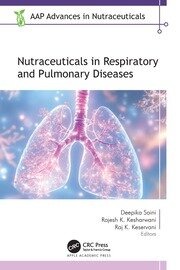
Nutraceuticals in respiratory and pulmonary diseases
Explores nutraceuticals that have been found to be effective in managing and treating respiratory and pulmonary diseases. It explains nutritional supplements that function as adjuvants for respiratory health and which may be useful targets for developing innovative nutraceutical-active respiratory products. The book also discusses the role of vitamins, minerals, and functional foods in the prevention and treatment of respiratory illnesses such as asthma, bronchitis, airway constriction, chronic obstructive pulmonary disorder (COPD), etc. It also explores the potential role of various herbs and foods in the treatment of lung illnesses through the Ayurvedic practices. The effectiveness of various natural and dietary supplements as well as plant and animal-based nutritional supplements for respiratory health are also considered.
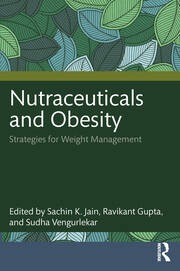
Nutraceuticals and obesity strategies for weight management
his comprehensive volume explores the role that nutraceuticals can play in addressing obesity, shedding light on their potential as tools to promote sustainable weight management strategies as well as addressing associated health risks. Delving into the intricate interplay between nutrition, health, and obesity, the book provides a compelling account that illustrates how nutraceutical interventions can be incorporated into holistic obesity management strategies. It begins with an account of the mechanisms by which nutraceuticals function before featuring chapters on their efficacy and safety, how they can be integrated with other therapeutic interventions, and how they can be tailored for individuals with comorbidities. Offering a global perspective on the issue, there is also coverage of the various regulatory contexts in which nutraceuticals are sold and used.
