


Refine Results
Sort By
From
To

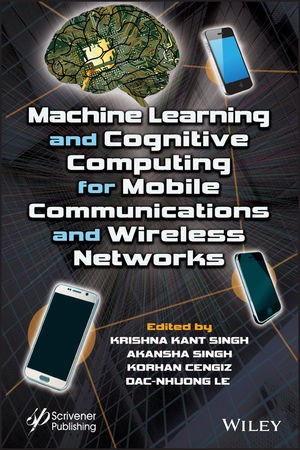
Communication and network technology has witnessed recent rapid development and numerous information services and applications have been developed globally. These technologies have high impact on society and the way people are leading their lives. The advancement in technology has undoubtedly improved the quality of service and user experience yet a lot needs to be still done. Some areas that still need improvement include seamless wide-area coverage, high-capacity hot-spots, low-power massive-connections, low-latency and high-reliability and so on. Thus, it is highly desirable to develop smart technologies for communication to improve the overall services and management of wireless communication. Machine learning and cognitive computing have converged to give some groundbreaking solutions for smart machines. With these two technologies coming together, the machines can acquire the ability to reason similar to the human brain. The research area of machine learning and cognitive computing cover many fields like psychology, biology, signal processing, physics, information theory, mathematics, and statistics that can be used effectively for topology management. Therefore, the utilization of machine learning techniques like data analytics and cognitive power will lead to better performance of communication and wireless systems.
Approaches ML as the computational implementation of the scientific principle. This principle consists of continuously adapting a model of a given data-generating phenomenon by minimizing some form of loss incurred by its predictions. Trains readers to break down various ML applications and methods in terms of data, model, and loss, thus helping them to choose from the vast range of ready-made ML methods.
Machine Learning - Modeling Data Locally and Globally presents a novel and unified theory that tries to seamlessly integrate different algorithms. Specifically, the book distinguishes the inner nature of machine learning algorithms as either "local learning"or "global learning."This theory not only connects previous machine learning methods, or serves as roadmap in various models, but – more importantly – it also motivates a theory that can learn from data both locally and globally. This would help the researchers gain a deeper insight and comprehensive understanding of the techniques in this field. The book reviews current topics,new theories and applications.
Key to our culture is that we can disseminate information, and then maintain and access it over time. While we are rapidly advancing from vulnerable physical solutions to superior, digital media, preserving and using data over the long term involves complicated research challenges and organization efforts. Uwe Borghoff and his coauthors address the problem of storing, reading, and using digital data for periods longer than 50 years. They briefly describe several markup and document description languages like TIFF, PDF, HTML, and XML, explain the most important techniques such as migration and emulation, and present the OAIS (Open Archival Information System) Reference Model. To complement this background information on the technology issues the authors present the most relevant international preservation projects, such as the Dublin Core Metadata Initiative, and experiences from sample projects run by the Cornell University Library and the National Library of the Netherlands. A rated survey list of available systems and tools completes the book.
Every C# programmer needs to learn about LINQ (Language–Integrated Query), Microsoft's breakthrough technology for simplifying and unifying data access from any data source. With LINQ, you can write more elegant and flexible code—not just to access databases and files, but to manipulate data structures and XML. This book is a short, yet comprehensive guide to the major features of LINQ and the significant enhancements introduced with .NET 3.5. There is no better source for getting a head–start on the future of these technologies than this book.
LINQ for Visual C# 2005 is a short, yet comprehensive guide to the major features of LINQ. It thoroughly covers LINQ to Objects, LINQ to SQL, LINQ to DataSet, and LINQ to XML. It also details significant enhancements to C#, .NET, and ADO.NET.
You'll tackle dynamic web programming with the latest versions of today's core technologies: PHP, MySQL, JavaScript, CSS, HTML5, and key jQuery libraries.
Learn how to leverage the BlackBerry 10 Cascades framework to create rich native applications. Learn BlackBerry 10 App Development gives you a solid foundation for creating BlackBerry 10 apps efficiently. Along the way, you will learn how to use QML and JavaScript for designing your app’s UI, and C++/Qt for the application logic. No prior knowledge of C++ is assumed and the book covers the fundamental aspects of the language for writing BlackBerry 10 apps. Also a particular emphasis is put on how to create a visually enticing user experience with the Cascades framework, which is based on Qt and QML.
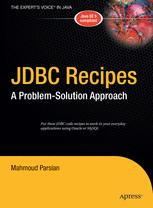
JDBC Recipes provides easy-to-implement, usable solutions to problems in relational databases that use JDBC. You will be able to integrate these solutions into your web-based applications, such as Java servlets, JavaServer Pages, and Java server-side frameworks. This handy book allows you to cut and paste the solutions without any code changes. This book focuses on topics that have been ignored in most other JDBC books, such as database and result set metadata. It will help you develop database solutions, like adapters, connectors, and frameworks using Java/JDBC. The insightful solutions will enable you to handle all data types, including large binary objects. A unique feature of the book is that it presents JDBC solutions (result sets) in XML.
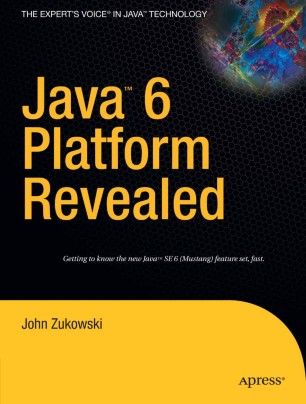
New editions of the platform don't happen that frequently, but when they do, there is a lot to learn about quickly. If you want to come up to speed on the feature set as quickly as possible, Java 6 Platform Revealed will place you well ahead of the pack. You'll find 10 chapters of how to use the JSR implementations and library improvements that are now a part of Mustang. You'll learn about the scripting features of AWT and Swing, like splash screens, system tray access, and table sorting and filtering and lots more. What you won't find in Java 6 Platform Revealed is a "getting started with Java" tutorial. Come prepared with a good working knowledge of Java 5 platform for best results.
Quickly find solutions to dozens of common programming problems encountered while building Java applications, with recipes presented in the popular problem-solution format. Look up the programming problem that you want to resolve. Read the solution. Apply the solution directly in your own code. Problem solved! covers of some of the newest features, APIs, and more such as pattern matching for switch, Restore Always-Strict-Floating-Point-Semantics, enhanced pseudo-random number generators, the vector API, sealed classes, and enhancements in the use of String. Source code for all recipes is available in a dedicated GitHub repository. This must-have reference belongs in your library. You will learn : Look up solutions to everyday problems involving Java SE 17 LTS and other recent releases / Develop Java SE applications using the latest in Java SE technology / Incorporate Java major features introduced in versions 17, 16, and 15 into your code
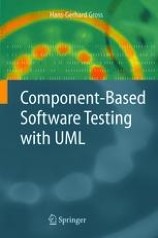
Component-based software development regards software construction in terms of conventional engineering disciplines where the assembly of systems from readily-available prefabricated parts is the norm. Because both component-based systems themselves and the stakeholders in component-based development projects are different from traditional software systems, component-based testing also needs to deviate from traditional software testing approaches. Gross first describes the specific challenges related to component-based testing like the lack of internal knowledge of a component or the usage of a component in diverse contexts. He argues that only built-in contract testing, a test organization for component-based applications founded on building test artifacts directly into components, can prevent catastrophic failures like the one that caused the now famous ARIANE 5 crash in 1996. This book is the first comprehensive treatment of the intricacies of testing component-based software systems. With its strong modeling background, it appeals to researchers and graduate students specializing in component-based software engineering. Professionals architecting and developing component-based systems will profit from the UML-based methodology and the implementation hints based on the XUnit and JUnit frameworks.
Embedded systems are ubiquitous. They appear in cell phones, microwave ovens, refrigerators, consumer electronics, cars, and jets. Some of these embedded s- tems are safety- or security-critical such as in medical equipment, nuclear plants, and X-by-wire control systems in naval, ground and aerospace transportation - hicles. With the continuing shift from hardware to software, embedded systems are increasingly dominated by embedded software. Embedded software is complex. Its engineering inherently involves a mul- disciplinary interplay with the physics of the embedding system or environment. Embedded software also comes in ever larger quantity and diversity. The next generation of premium automobiles will carry around one gigabyte of binary code. The proposed US DDX submarine is e?ectively a ?oating embedded so- ware system, comprising 30 billion lines of code written in over 100 programming languages. Embedded software is expensive. Cost estimates are quoted at around US$15– 30 per line (from commencement to shipping). In the defense realm, costs can range up to $100, while for highly critical applications, such as the Space Shuttle, the cost per line approximates $1,000. In view of the exponential increase in complexity, the projected costs of future embedded software are staggering.
This followup to Jeni Tennison's Beginning XSLT has been updated to accomodate the revised XSLT standard. Part one of this book introduces XML and XSLT at a comfortable pace, and gradually demonstrates techniques for generating HTML (plus other formats), from XML. In part two, Tennison applies theory to real-life XSLT capabilities—including generating graphics. Each chapter includes step-by-step examples (with code available online), plus review questions at the end, to help you grasp the discussed features. In fact, all of the examples and exercises revolve around an interesting common theme: making TV listings available online. This book lives up to its name, and will definitely take you from a novice to a professional, in no time!
Don't waste time on 1,000-page tomes full of syntax; this book is all you need to get ahead in XML development. Renowned web developer Sas Jacobs presents an essential guide to XML. Beginning XML with DOM and Ajax is practical and comprehensive. It includes everything you need to know to get up to speed with XML development quickly and painlessly.
Beginning XML with C# 2008 focuses on XML and how it is used within .NET 3.5. As you'd expect of a modern application framework, .NET 3.5 has extensive support for XML in everything from data access to configuration, from raw parsing to code documentation. This book demystifies all of this. It explains the basics of XML as well as the namespaces and objects you need to know in order to work efficiently with XML. You will see clear, practical examples that illustrate best practices in action. With this book, you'll learn everything you need to know from the basics of reading and writing XML data to using the DOM, from LINQ and SQL Server integration to SOAP and web services.
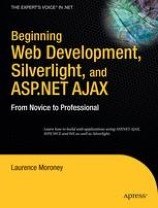
Beginning Web Development, Silverlight, and ASP.NET AJAX: From Novice to Professional aims to give you the skills you need to start building web applications with Microsoft's next–generation technology as quickly as possible. Whether you're interested in ASP.NET AJAX, Silverlight, or the technologies that support them (WPF, WCF, WF, etc.), this book is the starting point that you need. It adopts a “zero to hero” approach that concentrates on achieving practical results you can use in real projects rather than presenting a deep academic treatment that can't be immediately applied.
Beginning Perl Web Development: From Novice to Professional introduces you to the world of Perl Internet application development. This book tackles all areas crucial to developing your first web applications and includes a powerful combination of real-world examples coupled with advice. Topics range from serving and consuming RSS feeds, to monitoring Internet servers, to interfacing with e-mail. You'll learn how to use Perl with ancillary packages like Mason and Nagios. Though not version-specific, this book is an ideal read if you have had some grounding in Perl basics and now want to move into the world of web application development. Author Steve Suehring emphasizes the security implications of Perl, drawing on years of experience teaching readers how to think safe, avoid common pitfalls, and produce well-planned, secure code.
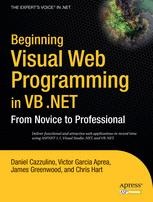
Beginning Web Programming in VB .NET: From Novice to Professional will teach you the fundamentals of the web environment and how Visual Studio .NET (VS .NET) makes it accessible to VB programmers. You'll build a working website that demonstrates all the elements of a VB web application. Author Daniel Cazzulino takes a step-by-step approach to each example to explore the essential technologies and how VS .NET helps to integrate them into a highly interactive, attractive web application.
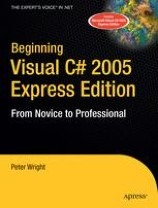
Wright took the same approach with this book that he did with the VB titles, and inside you'll find a fast–paced guide to the essentials to get you programming fast. You'll learn the C# language and the tools Visual C# 2005 Express provides. He covers everything from simple console programs to code that talks to the Internet, and even how to write your own database programs. Whatever your reasons for wanting to learn to program with C#, this book will get you where you want to be quickly, and hopefully with a smile on your face. So dive in and change the way you use computers forever.

Daraa Highway - Ghabagheb - Syria
+963-15 2050 - 15 860 380 /1/2/3 - 11 662 3900