



الصفحة 1
الصفحة 1
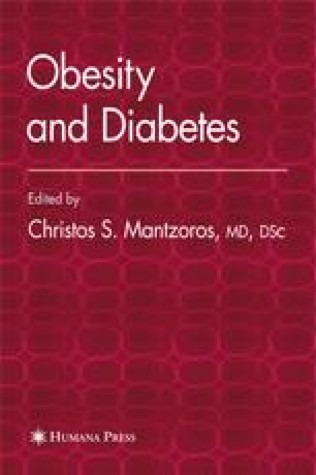
Obesity and Diabetes
The increasing prevalence of diabetes and obesity in western societies today makes these two diseases the leading epidemics of the 21st century. Closely linked with the development of serious complications, including cardiovascular disease and several malignancies, the morbidity and mortality associated with obesity and diabetes will continue to escalate as the population ages and becomes more sedentary. In Obesity and Diabetes, international experts from world-renowned medical schools comprehensively review for practicing clinicians and scientists alike the latest understanding of the epidemiology, causation, and consequences of diabetes and obesity.

Nutritional psychiatry
Provides a comprehensive overview of nutritional psychiatry, elucidating its theoretical foundations, the biological mechanisms linking diet to mental health (including inflammation, oxidative stress, disrupted energy metabolism the gut–brain axis and other implicated pathways), and the current evidence base for dietary impacts on major psychiatric disorders such as depression, anxiety, schizophrenia, bipolar disorder, and ADHD.

New Vision of Metformin in treating cancer
The anti-diabetic drug metformin is rapidly emerging as a potential anticancer agent. Metformin is a biguanide that is effective in treating type 2 diabetes and the insulin resistance syndromes, improves insulin resistance by reducing hepatic gluconeogensis and by enhancing glucose uptake by skeletal muscle. Metformin can reduce the incidence of cancers and can reduce the mortality from cancers, increase the response to treatment cancer cells when using radiotherapy and chemotherapy, reduce the likelihood of relapse. Diabetes can be a factor in the occurrence of various types of cancer, and develop a variety of cancers such as colo-rectal, pancreas and liver cancers, compared to non-diabetic patients. Incidence of various cancers is high among patients of T2DM due to insulin resistance and mitogenic effects caused by hyperglycemia.

Natural Resistance Mechanisms of Plants to Viruses
Resistance phenomena such as the local lesion response, induced resistance, "green islands" and resistance in various crop plants are linked with new information on gene-silencing mechanisms, gene silencing suppressors, movement proteins and plasmodesmatal gating, downstream signalling components, and more.
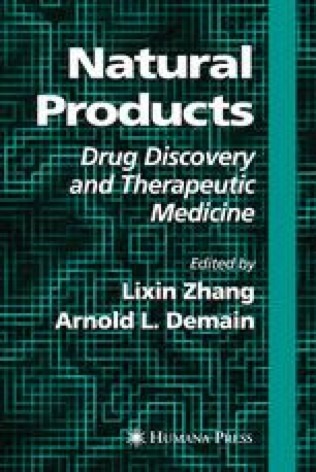
Natural Products : Drug Discovery and Therapeutic Medicine
Although the natural product drug discovery programs of the large drug companies are now equaled by programs for the high throughput screening of synthetic compounds generated through combinatorial chemistry, natural compounds still hold great promise to overcome such problems as antibiotic resistance, the emergence of new diseases, the failure to conquer old diseases, and the toxicity of some contemporary medical products. In Natural Products: Drug Discovery and Therapeutic Medicine, a panel of recognized experts and leaders in the field discuss the past successes of natural products as medicines and review future possibilities arising from both conventional and new technologies. High-performance liquid chromatography profiling, combinatorial synthesis, genomics, proteomics, DNA shuffling, bioinformatics, and genetic manipulation all now make it possible to rapidly evaluate the activities of extracts as well as purified components derived from microbes, plants, and marine organisms. The authors apply these methods to new natural product drug discovery, to accessing microbial diversity, to investigating specific groups of products (Chinese herbal drugs, antitumor drugs from microbes and plants, terpenoids, and arsenic compounds), and to exploiting specific sources (the sea, rainforest, and endophytes). These new opportunities show how research and development trends in the pharmaceutical industry can advance to include both synthetic compounds and natural products, and how this paradigm shift can be more productive and efficacious.

Natural Oral Care in Dental Therapy
Because of increasing antibiotic resistance, stronger antibiotics are reserved for serious active infection, paving the way for a greater use of herbal antibiotics. This book helps dentists in implementing safe and effective natural medicine therapies to complement the current practice guidelines. Oral diseases continue to be a major health problem world-wide. Oral health is integral to general well-being and relates to the quality-of-life that extends beyond the functions of the craniofacial complex. The standard Western medicine has had only limited success in the prevention of periodontal disease and in the treatment of a variety of oral diseases.

National Institute of Allergy and Infectious Diseases, NIH ; Vol.1 : Frontiers in Research
National Institute of Allergy and Infectious Diseases, NIH: Volume 1, Frontiers in Research contains presentations given at the 2006 NIAID Research Conference held in Opatija, Croatia which brought internationally known researchers from the United States and Central and Eastern Europe to focus together on shared interests in microbiology, infectious disease, HIV/AIDS, and basic and clinical immunology. Some of the topics covered include emerging and re-emerging infections, the development of infectious disease prophylactics and therapeutics, drug resistance, and various topics in immunomodulation, autoimmunity, infections and immunity, and the development of vaccines.Extensive and in-depth, National Institute of Allergy and Infectious Diseases, NIH: Volume 1, Frontiers in Research is a valuable, comprehensive guide to the state of research today.

Nanotechnology applied To pharmaceutical technology
Focuses on devising innovative nanopharmaceutical products and solutions to treat such diseases as cancer, infections, eye diseases, and in tackling multi-drug resistance threats. Nanotechnology Applied to Pharmaceutical Technology consists of four sections that include coverage of biosynthesis of nanoparticles, nano-material based formulations and toxicity, and safety issues.

Muscle hypertrophy and role of anabolic hormones in bodybuilding
The goal of our research first of all to give an overall view on the physiology of muscles and we will focus on natural elements such as diet and exercises to improve your aim without using chemical drugs, we will also include other factors affecting hypertrophy muscle such as genetic ones since the variation in between two sportive persons might be more than 50 percent determined by heredity which is a very important element and may lead a sportive man to elevate the doses to reach the same development of ideal muscles.
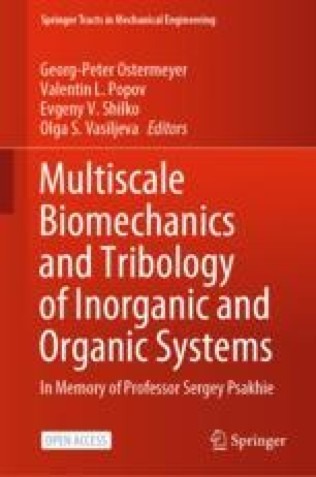
Multiscale Biomechanics and Tribology of Inorganic and Organic Systems : In memory of Professor Sergey Psakhie
This book gathers authoritative contributions concerning multiscale problems in biomechanics, geomechanics, materials science and tribology. It is written in memory of Sergey Grigorievich Psakhie to feature various aspects of his multifaceted research interests, ranging from theoretical physics, computer modeling of materials and material characterization at the atomic scale, to applications in space industry, medicine and geotectonics, and including organizational, psychological and philosophical aspects of scientific research and teaching as well

Multi-Scale Approaches in Drug Discovery : From Empirical Knowledge to In silico Experiments and Back
Drug discovery is an expensive, time-consuming process and the modern drug discovery community is constantly challenged not only with discovering novel bioactive agents to combat resistance from known diseases and fight against new ones, but to do so in a way that is economically effective. Advances in both experimental and theoretical/computational methods envisage that the greatest challenges in drug discovery can be most successfully addressed by using a multi-scale approach, drawing on the specialties of a whole host of different disciplines. Multi-Scale Approaches to Drug Discovery furnishes chemists with the detail they need to identify drug leads with the highest potential before isolating and synthesizing them to produce effective drugs with greater swiftness than classical methods may allow. This significantly speeds up the search for more efficient therapeutic agents.
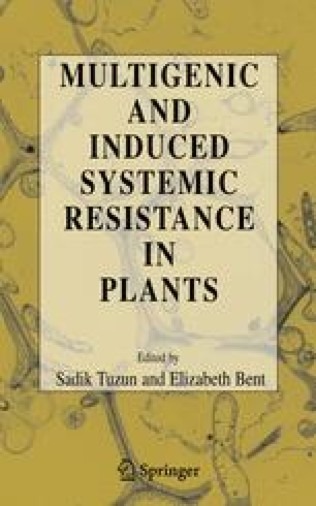
Multigenic and Induced Systemic Resistance in Plants
This comprehensive volume consists of a series of up-to-date reviews, each incorporating current models and knowledge related to mechanisms of resistance either expressed constitutively or induced systemically in plants. Each chapter covers a topic related to the phenomenon of plant resistance to fungal and bacterial pathogens, insects, nematodes, viruses or abiotic stress in plants, as well as the application of this knowledge to protect crops now and in the future. Researchers, upper-level undergraduate and graduate students, and those teaching courses in plant physiology, entomology and plant pathology will find this volume a much needed asset.

Multifunctional Barriers for Flexible Structure : Textile, Leather and Paper
The intent of this book is to give a complete overview of the present state of the art of flexible barrier materials such as textile, paper and leather, including methods for barrier evaluation. It will be of interest to readers in industries, consumers, and members of the scientific community. The scope of the field is clearly delineated here for the first time, and it deals with a number of specific topics such as barrier to fire, antibacterial properties, resistance to waves (electrostatic, electromagnetic, acoustics), anti-odor, etc. combined with characterization techniques as well as material nanotechnology.

Molecular Targeting in Oncology
In Molecular Targeting in Oncology, authors present an overview of the development of targeted therapies for the treatment of cancer with an emphasis on clinical application. The volume covers the complexity of the rapidly developing area of targeted therapies for the treatment of patients with cancer and is structured in a way so readers may begin with chapters that most interest them and work through the rest of the chapters in the order of their choice. The volume is divided into five sections that cover the most important elements of drug development. The first section focuses on approaches using targeted therapies to inhibit cell growth. The second section describes how clinicians are evaluating targeted therapies in specific organ systems. The third section illustrates how various classes of pharmacologic and immunologic agents are developed for individual molecular targets. The fourth section details new drugs that have novel mechanisms of action. The final section looks to the future of targeted therapeutics and includes chapters on appropriate patient selection, use of combination therapy, dealing with tumor cell resistance, and more. Comprehensive and cutting-edge, Molecular Targeting in Oncology is an essential reference for those working in the field.
Molecular Biology in Plant Pathogenesis and Disease Management : Microbial Plant Pathogens ; Vol.1
Studies on molecular biology of pathogens, infection process and disease resistance, have provided information essentially required to understand the vulnerable stages at which the pathogens can be tackled effectively and to adopt novel strategies to incorporate disease resistance genes from diverse sources and /or to induce resistance of cultivars with desirable agronomic attributes using biotic or abiotic agents. The nature of interaction between the gene products of the pathogen and plant appears to determine the outcome of the interaction resulting in either disease progression or suppression. Transgenic plants with engineered genes show promise for effective exploitation of this approach for practical application. Research efforts during the recent years to sequence the whole genomes of the pathogens and plants may lead to development of better ways of manipulating disease resistance mechanisms enabling the grower to achieve higher production levels and the consumer to enjoy safer food and agricultural products. Experimental protocols included in appropriate chapters will be useful for researchers and graduate students.

Molecular Biology in Plant Pathogenesis and Disease Management : Disease Management ; Vol.3
Exclusion and eradication of plant pathogens by rapid and precise detection and identification of microbial pathogens in symptomatic and asymptomatic plants and planting materials by employing molecular methods has been practiced extensively by quarantines and certification programs with a decisive advantage. Identification of sources of resistance genes, cloning and characterization of desired resistance genes and incorporation of resistance gene(s) into cultivars and transformation of plants with selected gene(s) have been successfully performed by applying appropriate molecular techniques. Induction of resistance in susceptible cultivars by using biotic and abiotic inducers of resistance is a practical proposition for several crops whose resistance levels could not be improved by breeding or transformation procedures. The risks of emergence of pathogen strains less sensitive or resistant to chemicals have been reduced appreciably by rapid identification of resistant strains and monitoring the occurrence of such strains in different geographical locations.

Molecular Biology in Plant Pathogenesis and Disease Management : Disease Development ; Vol.2
This volume focuses on the possibility of applying the knowledge on pathogenesis and molecular epidemiology to determine the vulnerable stages in the life cycles of the pathogens that can be disrupted to achieve more effective disease control.

Microcirculation in Cardiovascular Diseases
This book offers an extensive review of the most recent data on the pathophysiological role of structural and functional alterations in the microcirculation, particularly focusing on hypertension and diabetes. It covers several relevant and innovative aspects, including the possible mechanisms involved in the development of microvascular remodeling and rarefaction, the technical approaches available for the detection of microvascular alterations, including non-invasive evaluations, the prognostic role of changes in small resistance artery structure, the possibility of preventing or regressing such alterations with appropriate treatment, and the potential clinical advantages of such intervention.
Metal Matrix Composites
Metal matrix composites (MMCs) have become real engineering materials. MMCs have gone from "niche" materials to several high performance applications in aerospace, electronic packaging, automotive, and recreational products. This text focuses on the synergistic relationships among processing, microstructure, and properties of metal matrix composites. An introductory chapter is followed by a chapter each on reinforcements and common matrix materials. A chapter on the very important topic of processing of MMC is then presented. This is followed by a chapter on interfaces in MMCs, their characterization and techniques to obtain interfacial properties. Next there are chapters on monotonic mechanical and physical properties; followed by cyclic fatigue, creep, and wear resistance. We conclude with a chapter on applications of MMCs. The book is well-suited for upper level undergraduate students, graduate students, and as general source of reference on the subject for the professionals in the field.

Medicinal plants and antimicrobial therapies
Serves as an excellent comprehensive material covering the current understandings and updates on antimicrobial resistance (AMR) and the use of medicinal plant resources for tackling it. Chapters cover important aspects of AMR and strategies to address this threatening issue with medicinal plants and their resources. One health perspectives for addressing AMR have been presented for the readers. Antimicrobial medicinal plant therapeutic resources including crude extracts, active fractions, pure molecules and essential oils, besides using them as functionalizing agents for nano-antimicrobials have been covered. Further, plant endophytes as a source of antimicrobial compounds have been discussed. Chapters cover both the bactericidal as well as resistance-reversal (or potentiating/ combinatorial therapies) potencies of medicinal plant resources. The book also focuses on how medicinal plant resources effectively target major determinants of AMR.
