



الصفحة 1
الصفحة 1
Omics sudies of medicinal plants
Herbal drugs play a pivotal role in modern medicine and pharmaceutical care; however, only limited biotechnology applications have been seen in medicinal plants. Revolutions in high-throughput approaches emphasize omics approaches, such as genomics, transcriptomics, proteomics, and metabolomics. A volume in the Exploring Medicinal Plants series, this book provides a comprehensive and in-depth analysis of breakthroughs in high-throughput approaches for the research of medicinal plants.

Nucleic Acids and Proteins in Soil
With millions of different bacterial species living in soil, the microbial community is extremely complex, varying at very small scales. Microbe-driven functions are essential for most processes in soil. Thus, a better understanding of this microbial diversity will be invaluable for the management of the various soil functions. Nucleic Acids and Proteins in Soil combines traditional approaches in soil microbiology and biochemistry with the latest techniques in molecular microbial ecology. Included are methods to analyse the presence and importance of nucleic acids and proteins both inside and outside microbial cells, the horizontal gene transfer which drives bacterial diversity, as well as soil proteomes. Further chapters describe techniques such as PCR, fingerprinting, the challenging use of gene arrays for structural and functional analysis, stable isotope probing to identify in situ metabolic functions, and the use of marker and reporter genes in soil microbial ecology.

Nuclear pre-mRNA Processing in Plants
In recent years nuclear pre-mRNA processing has taken center stage as an important regulator of gene expression and ultimately growth and development. Large-scale genome and cDNA sequencing projects together with bioinformatic analyses of these sequences have revealed that alternative splicing of pre-mRNAs contributes greatly to transcriptome and proteome complexity in eukaryotes. During the last few years, tremendous progress has been made in understanding various aspects of pre-mRNA processing including alternative splicing and its importance in plant growth and development as well as in plant responses to hormones and stresses. This book, with contributions from leading scientists in this area, summarizes recent advances in nuclear pre-mRNA processing in plants. It provides researchers in the field, as well as those in related areas, with an up-to-date and comprehensive, yet concise, overview of the current status and future potential of this research in understanding plant biology.

Neuronal cell death : Methods and protocols
Covers comprehensive methods on ways to assess structural and ultrastructural changes in the mitochondria, cytoskeleton, and microglia using state-of-the-art microscopy techniques including super-resolution imaging, electron microscopy, and ultra-high field MRI. The chapters in this book cover topics such as analysis of neurodegeneration in the post-mortem characterization of preclinical animal models, in vivo modeling in cell death in different model systems and brain organoids, single cell clonal analysis using Mosaic Analysis with Double Markers in genetic mouse models, and genome and proteomic methods for analysis of mRNA dynamics and quantitation of targeted peptides.

Neuroanatomical Tract-Tracing : Molecules, Neurons, and Systems
"The content of the book also serves to emphasize that neuroanatomy is, perhaps more than ever, a thriving and important part of the neurosciences...Most contributions have in common the combination of modern tract-tracing methods with other means of characterizing neural tissue, and thus the book also serves to highlight the gradual disappearance of borders between traditional neuroanatomy and other approaches to the study of the nervous system...this book should continue to be a useful source of information, and deserves to be available in all laboratories applying or considering to apply neuroanatomical methods."

Natures Versatile Engine : Insect Flight Muscle Inside and Out
Integrates knowledge from various disciplines that study muscle function, from single molecule biophysics to flight aerodynamics. This work features information on advances in muscle research, from the molecular to the organismal. It focuses on Drosophila melanogaster, and other species of flying insects are also covered.
Natural Products : Drug Discovery and Therapeutic Medicine
Although the natural product drug discovery programs of the large drug companies are now equaled by programs for the high throughput screening of synthetic compounds generated through combinatorial chemistry, natural compounds still hold great promise to overcome such problems as antibiotic resistance, the emergence of new diseases, the failure to conquer old diseases, and the toxicity of some contemporary medical products. In Natural Products: Drug Discovery and Therapeutic Medicine, a panel of recognized experts and leaders in the field discuss the past successes of natural products as medicines and review future possibilities arising from both conventional and new technologies. High-performance liquid chromatography profiling, combinatorial synthesis, genomics, proteomics, DNA shuffling, bioinformatics, and genetic manipulation all now make it possible to rapidly evaluate the activities of extracts as well as purified components derived from microbes, plants, and marine organisms. The authors apply these methods to new natural product drug discovery, to accessing microbial diversity, to investigating specific groups of products (Chinese herbal drugs, antitumor drugs from microbes and plants, terpenoids, and arsenic compounds), and to exploiting specific sources (the sea, rainforest, and endophytes). These new opportunities show how research and development trends in the pharmaceutical industry can advance to include both synthetic compounds and natural products, and how this paradigm shift can be more productive and efficacious.

Mucins : Methods and protocols
Explores the latest advancements in mucin research. The chapters in this book are organized into 8 parts and cover a wide range of topics such as mucin extraction, isolation, physicochemical property analysis, and experimental methods. The chapters also discuss the origins of mucins in jellyfish, feces, saliva and salivary glands, bronchi, stomach, and cervical tract; organic synthesis of peptides glycosylated at specific sites; analysis of mucin gene expression and methylation-specific electrophoresis of genes; imaging of mucin networks by AFM; and experimental methods using supported molecular matrix electrophoresis. Written in the highly successful Methods in Molecular Biology series format, chapters include introductions to their respective topics, lists of the necessary materials and reagents, step-by-step, readily reproducible laboratory protocols, and tips on troubleshooting and avoiding known pitfalls.
Molecular Mechanisms of Plant and Microbe Coexistence
Molecular Mechanisms of Plant and Microbe Coexistence presents studies on the complex and manifold interactions of plants and microbes at the population, genomics and proteomics level. The role of soil microbial diversity in enhancing plant health and plant microbe beneficial symbioses is discussed. Microbial communities are shown in the light of evolution. Main topics include genome coexistence and the functional genomics and proteomics of plant-associated microbes, which could form the basis for new environmentally benign strategies to combat infectious plant diseases and regulate plant growth. Further chapters focus on the role of signaling during the different stages of plant microbe coexistence, in symbiotic or pathogenic relationships, in quorum sensing and plant viral infections. Methods for studying the interactions in the root zone complement the book, which will certainly be of relevance in the practical application to agriculture, food security and for maintaining the balance of our ecosystems.

Molecular biology : Structure and dynamics of genomes and proteomes
Illustrates the essential principles behind the transmission and expression of genetic information at the level of DNA, RNA, and proteins. Emphasis is on the experimental basis of discovery and the most recent advances in the field while presenting a rigorous, yet still concise, summary of the structural mechanisms of molecular biology. Topics new to this edition include the CRISPR-Cas gene editing system, Coronaviruses – structure, genome, vaccine and drug development, and newly recognized mechanisms for transcription termination.
Molecular analyses : Medical genomics and proteomics
Methods for extraction, manipulation, and characterization of nucleic acids, peptides, and proteins have been rapidly developed. Extraction from a variety of tissues and samples have become routine and automated. Next generation sequencing (NGS) methods have been developed. This book focuses on medically-focused methods

Microbial Sulfur Metabolism
In nature, sulfur occurs in many different oxidation states and is one of the most versatile elements in life. It is an integral part of many important cell constituents, such as the amino acids cysteine and methionine, and many sulfur compounds serve as the basis for energy-related processes in prokaryotes. In recent years, new methods have been applied to study the biochemistry and molecular biology of reactions of the global sulfur cycle, the microorganisms involved and their physiology, metabolism and ecology. These activities have uncovered fascinating new insights for the understanding of aerobic and anaerobic sulfur metabolism.

Microbial Processing of Metal Sulfides
The application of microbiological methods to the extraction of metals from minerals has definitely gained a prominent role and is supported by the several bioleaching and biooxidation processes operating in different sites over the world. In recent years new techniques and new results about proteomic and bioinformatics are bringing a new perspective on the microbial processes.This book focuses on the basic aspects of the process with special emphasis on recent contributions regarding the chemical and microbial aspects of the bioleaching process and the use of microorganisms in the treatment of complex ores and concentrates.
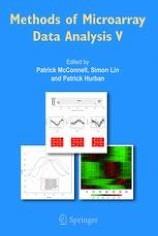
Methods of microarray data analysis V
In this volume, all investigators analyzed a single dataset on the lifecycle of the most deadly of malaria parasites, Plasmodium falciparum. The emphasis this year is on the application of novel and existing computational methodologies towards infectious disease. We highlight an introductory chapter by Raphael D. Isokpehi, a leading expert in the field of malaria. Ten of the papers presented at the conference are included, which range from the inference of genetic networks to the analysis of the spatial correlation of array data. This book is an excellent reference for academic and industrial researchers who want to keep abreast of the state-of-the-art in microarray data analysis.

Methods in Modern Biophysics
Incorporating recent dramatic advances, this textbook presents a fresh and timely introduction to modern biophysical methods. An array of new, faster and higher-power biophysical methods now enables scientists to examine the mysteries of life at a molecular level. This innovative text surveys and explains the ten key biophysical methods, including those related to biophysical nanotechnology, scanning probe microscopy, X-ray crystallography, ion mobility spectrometry, mass spectrometry, proteomics, and protein folding and structure. Incorporating much information previously unavailable in tutorial form, Nölting employs worked examples and 267 illustrations to fully detail the techniques and their underlying mechanisms.

Metabolome Analyses : Strategies for Systems Biology
Metabolome Analyses is intended as a follow-up to Metabolic Profiling: Its Role in Biomarker Discovery and Gene Function Analysis (Kluwer, 2003). That text offered guidelines to currently available technology, bioinformatics and databases. Evidence was presented showing metabolic profiling as a valuable addition to genomics and proteomics strategies devoted to drug discovery and development. This book focuses on how metabolic profiling is being more comprehensively integrated with the other "omics" technologies. It provides more practical applications of such "panomics" or "Systems Biology" approaches. The expanding use of mass spectrometry as a measurement technology in metabolic profiling is addressed through demonstrated applications. The integration of metabolic profiling and proteomics is probably most developed for plant-based studies, which was not addressed in Volume 1. Other areas related to metabolic profiling continue to show significant development. These include database strategies and an increased acceptance by the pharmaceutical industry of metabolic profiling. Also covered is the use of in silico metabolic networks. Again the focus is primarily on the pharmaceutical industry but the importance of metabolic profiling to studies on human nutrition (a burgeoning area) is discussed.

Iron Nutrition in Plants and Rhizospheric Microorganisms
This book uses an interdisciplinary approach to provide a comprehensive review on the status of iron nutrition in plants. International scientists discuss research on acquisition of iron by strategy I and strategy II plants. These reviews summarize a variety of plant species and include both laboratory and field observations. Topics covered in this book include: plants as a source of iron for animals and humans, iron translocation in the plants, iron-stimulated activities that influence crop yield and fruit tree productivity, iron uptake by plants as influenced by microorganisms (i.e. free living soil microorganisms, symbiotic nitrogen-fixing and pathogenic bacteria), the role of plant hormones in iron transport, iron-metal competition in phytoremediation, root zone activities involving interactions between minerals and organic matter, the role of microbial siderophores in rhizospheric iron cycling, iron storage as phytoferritin, proteomic and metabolic studies associated with iron stress response, methods for studying iron metabolism including stable isotopes, and the correction of iron deficiency through the use of synthetic or natural chelates.

Introduction to Systems Biology
Informative and cutting-edge, this volume presents a clear and intuitive illustration of the biological systemic approaches and introduces ideal computational methods for research. Introduction to Systems Biology is an indispensable resource, providing a first glimpse into the state-of-the-art in systems biology.

Innovative Endocrinology of Cancer
Deals with developments in such topics as mechanisms of hormonal carcinogenesis, epidemiology and risk factors, hormone production by tumor tissue and hormonal sensitivity of the latter, genesis, dichotomy and endocrinology of cancer in females, and pharmacogenomics and proteomics in oncoendocrinology.

Immunoinformatics
Immunoinformatics is an emerging subdiscipline of bioinformatics. It utilizes mathematics, information science, computer engineering, genomics, proteomics and immunological methods to bridge immunology and informatics. Similar to bioionformatics which became a driving force in genome research, immunoinformatics enables data-driven research strategies and systems approaches that aim at understanding the networks regulating the immune system. Considering the breath of topic, Immunoinformatics was composed to provide a cross-section of research ranging from data integration, epitope predictions to systems level applications. In ten chapters experts in the field introduce and discuss research strategies for immunologists and bioinformaticians who wish to endeavour existing and new approaches to gain insight into the workings of the immune system.
