



الصفحة 1
الصفحة 1
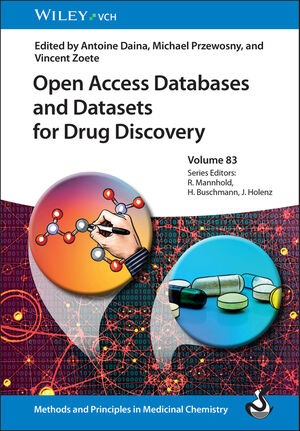
Open access databases and datasets for drug discovery
With an overview of 90 freely accessible databases and datasets on all aspects of drug design, development, and discovery, Open Access Databases and Datasets for Drug Discovery is a comprehensive guide to the vast amount of “free data” available to today’s pharmaceutical researchers. The applicability of open-source data for drug discovery and development is analyzed, and their usefulness in comparison with commercially available tools is evaluated. The most relevant databases for small molecules, drugs and druglike substances, ligand design, protein 3D structures (both experimental and calculated), and human drug targets are described in depth, including practical examples of how to access and work with the data. The first part is focused on databases for small molecules, followed by databases for macromolecular targets and diseases. The final part shows how to integrate various open-source tools into the academic and industrial drug discovery and development process.
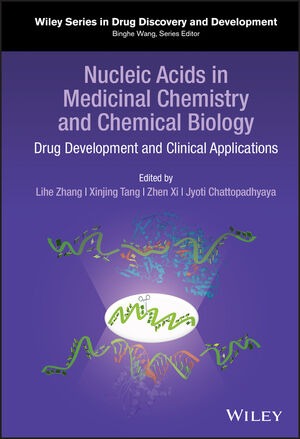
Nuucleic acids in medicinal chemistry and chemical biology : Drug development and clinical applications
Delivers a comprehensive overview of the chemistry and biology of nucleic acids and their therapeutic applications. The book emphasizes the latest research in the field, including new technologies like CRISPR that create novel possibilities to edit mutated genes at the genomic DNA level and to treat inherited diseases and cancers. The authors explore the application of modified nucleosides and nucleotides in medicinal chemistry, a variety of current topics on nucleic acid chemistry and biology, nucleic acid drugs used to treat disease, and more. They also probe new domains of pharmaceutical research, offering the reader a wealth of new drug discovery opportunities emerging in this dynamic field

Novel Drug Delivery Systems for Chinese Medicines
Describes the essential and cutting-edge concepts based on the frontier of pharmaceutical research in TCM, underlying scientific principles, and current advancements of drug delivery systems for Chinese medicines, including sustained-release drug delivery systems, trans-nasal drug delivery systems, dermal and transdermal drug delivery systems, etc. Novel carriers and emerging technologies (such as 3D printing) are also covered. The book provides readers with an overall picture of drug delivery systems for Chinese medicines and also yields benefits for the pharmaceutical industry with regard to TCM-based drug development.
Next generation probiotics from novel drugs to future therapeutics
Provides a comprehensive and cutting-edge exploration of probiotics as powerful therapeutic agents. With the rapid advancements in the field, this book offers a deep dive into how probiotics are evolving beyond traditional uses, addressing complex health conditions and diseases in modern medicine. By combining the latest scientific research with practical applications, this book equips researchers, clinicians, and healthcare professionals with the knowledge needed to incorporate probiotics into clinical practice and future therapeutic strategies.

New Drug Development for Known and Emerging Viruses
This book discusses the entire field of antiviral drug discovery and development from a medicinal chemistry perspective, focusing on antiviral drugs, targets, and viral disease mechanisms. It provides an outlook on emerging pathogens such as Ebola, Zika, West Nile, Lassa, and includes a chapter on SARS Coronoavirus-2 causing the present pandemic.

Natural Products Targeting Clinically Relevant Enzymes
Covers the full spectrum of clinically relevant enzymes that are known to be targeted by natural products. Key enzymes include acetylcholine esterase, angiotensin-I-converting enzyme, cyclooxygenase, dihydrofolate reductase, phospholipase A2, respiratory complexes, and many more. By connecting the diversity of medicinal natural product sources with their potential clinical applications, this volume serves as a companion for the medicinal chemist looking for innovative small molecule compounds as well as for pharmacologist interested in the clinical effects and mode of action of herbal and traditional medicines.

Natural product experiments in drug discovery
Explores a wide range of evidence-based complementary medicine and various bio-analytical techniques used to define botanical products. Collecting recent work and current developments in the field of contemporary phytomedicine as well as their future possibilities in human health care, the book includes unique contributions in the form of chapters on phytomedicine and screening biological activities explained with diverse hyphenated techniques, as well as issues related to herbal medications, such as efficacy, adulteration, safety, toxicity, regulations, and drug delivery. Written for the Springer Protocols Handbooks series, chapters feature advice from experts on how to best conduct future experiments. Extensive and practical, Natural Product Experiments in Drug Discovery serves as an ideal reference for students, professors, and researchers in universities, R&D institutes, pharmaceutical and herbal enterprises, and health organizations.

Multi-Scale Approaches in Drug Discovery : From Empirical Knowledge to In silico Experiments and Back
Drug discovery is an expensive, time-consuming process and the modern drug discovery community is constantly challenged not only with discovering novel bioactive agents to combat resistance from known diseases and fight against new ones, but to do so in a way that is economically effective. Advances in both experimental and theoretical/computational methods envisage that the greatest challenges in drug discovery can be most successfully addressed by using a multi-scale approach, drawing on the specialties of a whole host of different disciplines. Multi-Scale Approaches to Drug Discovery furnishes chemists with the detail they need to identify drug leads with the highest potential before isolating and synthesizing them to produce effective drugs with greater swiftness than classical methods may allow. This significantly speeds up the search for more efficient therapeutic agents.

Molecular Targeting in Oncology
In Molecular Targeting in Oncology, authors present an overview of the development of targeted therapies for the treatment of cancer with an emphasis on clinical application. The volume covers the complexity of the rapidly developing area of targeted therapies for the treatment of patients with cancer and is structured in a way so readers may begin with chapters that most interest them and work through the rest of the chapters in the order of their choice. The volume is divided into five sections that cover the most important elements of drug development. The first section focuses on approaches using targeted therapies to inhibit cell growth. The second section describes how clinicians are evaluating targeted therapies in specific organ systems. The third section illustrates how various classes of pharmacologic and immunologic agents are developed for individual molecular targets. The fourth section details new drugs that have novel mechanisms of action. The final section looks to the future of targeted therapeutics and includes chapters on appropriate patient selection, use of combination therapy, dealing with tumor cell resistance, and more. Comprehensive and cutting-edge, Molecular Targeting in Oncology is an essential reference for those working in the field.

Molecular biology : Structure and dynamics of genomes and proteomes
Illustrates the essential principles behind the transmission and expression of genetic information at the level of DNA, RNA, and proteins. Emphasis is on the experimental basis of discovery and the most recent advances in the field while presenting a rigorous, yet still concise, summary of the structural mechanisms of molecular biology. Topics new to this edition include the CRISPR-Cas gene editing system, Coronaviruses – structure, genome, vaccine and drug development, and newly recognized mechanisms for transcription termination.

Modern medicine : biomedical devices, medical gases, radiopharmaceuticals, new drug discovery, Vol.2
Discusses the procedures of drug approval and regulatory requirements that must be met according to the United States Food and Drug Administration (FDA), the European Medical Agency (EMA), and the Central Drug Standard Control Organization (CDSCO). In the rapidly evolving landscape of modern medicine, groundbreaking innovations have emerged that are reshaping the way we approach healthcare. Modern Medicine delves into the cutting-edge realms of medical devices, medical gases, radiopharmaceuticals, and new drug discovery, offering a comprehensive exploration of these transformative fields that are revolutionizing patient care and medical practices.

Medicinal compounds in modern healthcare : From tradition to innovation
Reviews the evolution, development, and application of medicinal compounds, beginning with their historical context and advancing to modern innovations. The book describes the therapeutic potential of bioactive compounds from microorganisms, the role of antioxidants and anti-inflammatory agents in managing chronic diseases, and the use of small molecules in pain management and mental healthcare. It further explores immunomodulatory compounds, epigenetic modifiers, and the latest advancements in drug development, including integrative medicine approaches and the applications of nanotechnology in traditional medicine. Additionally, the book addresses the use of immunomodulatory agents like methotrexate and paclitaxel in cancer treatment, regulatory considerations for ensuring safety and efficacy in medicinal compounds, and the growing field of nutraceuticals. Towards the end, the book covers the extraction, profiling, and ADMET evaluation of medicinal compounds, intellectual property challenges, and the significance of traditional medicine in modern healthcare.

Medicinal Chemistry for Practitioners
Presenting both a panoramic introduction to the essential disciplines of drug discovery for novice medicinal chemists as well as a useful reference for veteran drug hunters, this book summarizes the state-of-the-art of medicinal chemistry. It covers key drug targets including enzymes, receptors, and ion channels, and hit and lead discovery. The book hen surveys a drug's pharmacokinetics and toxicity, with a solid chapter covering fundamental bioisosteres as a guide to structure-activity relationship investigations.

Medical product regulatory affairs : pharmaceuticals, diagnostics, medical devices
Based on a module prepared by the authors for an MSc course offered by the University of Limerick, Ireland, Medical Product Regulatory Affairs is a comprehensive and practical guide on how pharmaceutical and medical devices are regulated within the major global markets. The Second Edition builds on the success of the first with an even wider scope and full coverage of new EU regulations on the safe use of medical devices. Following a look at drug development, complete sections are devoted to national and EU regulatory issues, manufacturing license application and retention, and regulation in the USA. Other topics dealt with include CDER, CBER and marketing and manufacturing licenses, the ICH process and Good Laboratory/Clinical/ Manufacturing Practices.

Ion channels as targets in drug discovery
Built around ion channel research and, more specifically, ion channels as important therapeutic drug targets. Under the editorial leadership of Gary Stephens in academic research and Edward Stevens from industry, the aim is to bring these strands together to provide a cutting-edge translational reference on ion channel drug discovery. Exploiting our knowledge of ion channel structure and function has clear current and future potential to intervene and correct the pathophysiology associated with debilitating conditions, including cardiovascular disease, diabetes, cystic fibrosis, pain, epilepsy, and neurodegenerative disorders. Individual chapters have a disease focus, also providing a “case study story” that will also appeal to a clinical audience

Introduzione alla medicina molecolare = Introduction to molecular medicine
An indispensable guide for understanding a young science with rapid and promising developments. Now in its third completely revised edition, it presents in a concise yet comprehensive way the scientific and technological principles of this discipline and provides, in widely accessible language, the basic conceptual tools for understanding the human genome, gene expression and regulation, the various aspects of genetic engineering that allow for the manipulation of DNA, and human cloning.

Intelligent drugs : How AI is transforming healthcare
The progress of biotechnologies and artificial intelligence allowed the development of vaccines in less than a year, thus saving millions of human lives and preserving the global economy. The emergence of intelligent drugs is highlighted, with the promise of ultra-targeted, more effective, and safer treatments against a wide range of diseases. Personalized medicine then becomes realistic, with computer-designed drugs, perfectly adapted to each individual, tested on virtual patients before their real use. In the near future, thanks to AI, new drugs will improve physical performance, stimulate cognitive abilities, prevent diseases, and slow down aging.

Insights into Receptor Function and New Drug Development Targets
G-Protein Coupled receptors (GPCRs) and other receptors are significant targets for drug discovery, due to their roles in fundamental physiological processes. Among these roles are: regulation of growth, food intake, reproduction, water balance, sensory perception, blood pressure and heart rate. GPCR-directed drugs account for approximately $40 billion in sales and, of drugs at market, approximately 70% target GPCR function. The availability of combinatorial chemistry coupled with high throughput screening techniques have facilitated discovery of peptidic and non-peptidic ligands of membrane receptors. Mutant receptor models have revealed their role in health and disease and provided insight to new therapeutic approaches, based on control of protein trafficking. Understanding receptor-receptor interactions has provided one mechanism for receptor cross-talk and revealed unexpected interactions.

Innovative dosage forms : Design and development at early stage
Provides information that is essential for the drug development effort Presents the latest advances in the field and describes in detail innovative formulations, such as nanosuspensions, micelles, and cocrystals Describes current approaches in early pre-formulation to achieve the best in vivo results Addresses regulatory and safety aspects, which are key considerations for pharmaceutical companies Includes case studies from recent drug development programs to illustrate the practical challenges of preformulation design

Innovations in healthcare and outcome measurement : New approaches for a healthy lifestyle
Aims to bring up-to-date new ideas, opinions, development, and critical issues in healthcare and personalized medicine. We are interested in relevant articles covering a broad range of topics, such as: Advances in medical devices, Digitalization and data-driven technologies, AI and algorithm-based drug development (molecule building, enhancement, clinical trials), Diagnostic imaging, Personalized medicine, Nutrition, Oral health care, Healthcare management in certain diseases and population groups, Regulatory developments, Data management, Digital healthcare.
