




Insights into Receptor Function and New Drug Development Targets
G-Protein Coupled receptors (GPCRs) and other receptors are significant targets for drug discovery, due to their roles in fundamental physiological processes. Among these roles are: regulation of growth, food intake, reproduction, water balance, sensory perception, blood pressure and heart rate. GPCR-directed drugs account for approximately $40 billion in sales and, of drugs at market, approximately 70% target GPCR function. The availability of combinatorial chemistry coupled with high throughput screening techniques have facilitated discovery of peptidic and non-peptidic ligands of membrane receptors. Mutant receptor models have revealed their role in health and disease and provided insight to new therapeutic approaches, based on control of protein trafficking. Understanding receptor-receptor interactions has provided one mechanism for receptor cross-talk and revealed unexpected interactions.
كتب مشابهة

Thermodynamics for drug product design : A guide for pharmaceutical scientists
Provides real-life drug product design examples, applications, personal anecdotes, and solved problems that contextualize thermodynamic principles for the drug product design scientist. Advanced undergraduate and beginning graduate students will learn to apply thermodynamic principles to create robust drug products and to predict, prevent, analyze, and evaluate the root cause of product failures. Professionals engaged in drug product design will find this book to be a rich and easy to use reference guide.

Phytochemistry and pharmacology of garlic (Allium sativum L.)
Provides a thorough overview on the origin of garlic, history of garlic chemistry, garlic preparations and their use in folklore, health benefits of garlic, garlic as pesticide and its adverse effects. Garlic (Allium sativum) is also used as a popular herbal alternative therapy. There is a lack of consolidated literature on the health benefits of garlic, this book will provide a comprehensive compendium on these benefits. Though it is a scientific research-based knowledge compilation, it will be also equally beneficial to science students as well as the lay reader.
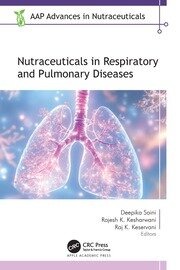
Nutraceuticals in respiratory and pulmonary diseases
Explores nutraceuticals that have been found to be effective in managing and treating respiratory and pulmonary diseases. It explains nutritional supplements that function as adjuvants for respiratory health and which may be useful targets for developing innovative nutraceutical-active respiratory products. The book also discusses the role of vitamins, minerals, and functional foods in the prevention and treatment of respiratory illnesses such as asthma, bronchitis, airway constriction, chronic obstructive pulmonary disorder (COPD), etc. It also explores the potential role of various herbs and foods in the treatment of lung illnesses through the Ayurvedic practices. The effectiveness of various natural and dietary supplements as well as plant and animal-based nutritional supplements for respiratory health are also considered.
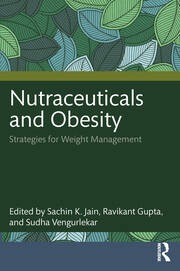
Nutraceuticals and obesity strategies for weight management
his comprehensive volume explores the role that nutraceuticals can play in addressing obesity, shedding light on their potential as tools to promote sustainable weight management strategies as well as addressing associated health risks. Delving into the intricate interplay between nutrition, health, and obesity, the book provides a compelling account that illustrates how nutraceutical interventions can be incorporated into holistic obesity management strategies. It begins with an account of the mechanisms by which nutraceuticals function before featuring chapters on their efficacy and safety, how they can be integrated with other therapeutic interventions, and how they can be tailored for individuals with comorbidities. Offering a global perspective on the issue, there is also coverage of the various regulatory contexts in which nutraceuticals are sold and used.
