



الصفحة 1
الصفحة 1

Ondansetron Patches
The objective of this study was to develop the matrix of transdermal drug delivery system (TDDS) of ondansetron hydrochloride (ODH), in which ondansetron is the first serotonin subtype 3 receptor antagonist indicated for the treatment and/or prophylaxis of postoperative, chemotherapy or radiotherapy induced emesis. It has been proven efficient and safe to treat such symptoms, by using in vitro drug release study and evaluate the effect of eucalyptus oil and different percentage of carbopol 940. The result of drug release decreased by increasing the percentage of carbopol 940 which achieved the purpose of the study by prolonging the release of the ondansetron . The patch provides a means to reduce the side effects associated with its oral therapy, avoidence of the first-pass metabolism and minimize inconsistency in absorption across GIT. Various types of transdermal patches are used to incorporate the active ingredients into the circulatory system via skin.

Oil-in-Water Nanosized Emulsions for Drug Delivery and Targeting
ompiles the step-by-step investigations made concerning the potential of nanosized emulsions on both drug delivery and drug targeting areas by different group of scientists in various laboratories across the world Inverts the common nano-emulsions coverage trend of focusing on focused on the particulate system itself, instead exploring the way to turn nanosized emulsions as biomedical tool, as well as, treating the in vitro and in vivo aspects after administration Provides an overview of the current state-of-the art regarding the development of tocol emulsions, emulsion adjuvants in immunization research, oxygen-carrying emulsions (called as fluorocarbon emulsion) and emulsions for delivering drugs to nasal and topical (ocular and transdermal) routes
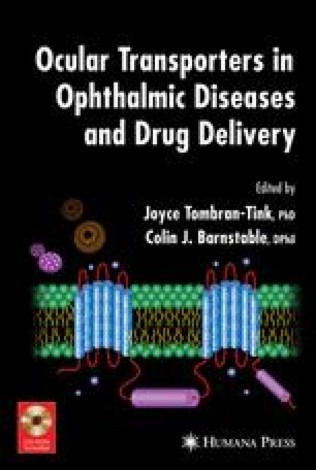
Ocular Transporters in Ophthalmic Diseases and Drug Delivery
This exceptionally important new work represents recent discoveries and advancements in the study of ocular transporters and their roles in ocular physiology, pathology, and drug delivery. Transporters are found on the membranes of cells and play a key role in transmitting signals between cells. In Ocular Transporters in Ophthalmic Diseases and Drug Delivery, a panel of distinguished authors discusses all the latest developments in the study of ocular transporters. Focusing on the molecular characteristics, localization, and substrate specificities in various compartments of the eye, this volume discusses how transporters regulate the clarity of the cornea and lens, the movements of fluids across the ciliary epithelium, and the transport of nutrients across the retinal pigment epithelium. It also provides an in-depth look at how mutations or dysfunction of specific transporters can contribute to various disorders in the eye, including blindness, and provides readers with potential targets and strategies to allow safe passage of therapeutic drugs into the eye.

Ocular Angiogenesis : Diseases, Mechanisms, and Therapeutics
Highlights include illuminating chapters on gene therapy and novel drug delivery systems and excellent summaries of the newest therapeutic approaches. Comprehensive and multidisciplinary, Ocular Angiogenesis: Diseases, Mechanisms, and Therapeutics offers a novel view of the clinical features of pathological angiogenesis in the eye, the molecular and environmental switches that govern vessel growth, and the tremendous opportunities for and progress made in the development of new therapeutics.

Novel Drug Delivery Systems for Chinese Medicines
Describes the essential and cutting-edge concepts based on the frontier of pharmaceutical research in TCM, underlying scientific principles, and current advancements of drug delivery systems for Chinese medicines, including sustained-release drug delivery systems, trans-nasal drug delivery systems, dermal and transdermal drug delivery systems, etc. Novel carriers and emerging technologies (such as 3D printing) are also covered. The book provides readers with an overall picture of drug delivery systems for Chinese medicines and also yields benefits for the pharmaceutical industry with regard to TCM-based drug development.

Novel drug delivery systems : Fundamentals and applications
Serves as a unique resource on the field of novel drug delivery systems (NDDSs). The evolving nature of diseases and the emergence of new health complications have driven a significant shift in drug therapy. Coupled with changes in human lifestyles and economic conditions, these factors have compelled the pharmaceutical industry to develop novel, efficient, and affordable drug products. The rise of promising technologies aimed at enhancing therapeutic performance further underscores the importance of novel drug delivery systems (NDDSs), making this field one of the most dynamic in pharmaceutical sciences today.
Novel Carrier Systems for Targeted and Controlled Drug Delivery
Presents novel carrier systems for the targeted and controlled drug delivery for the treatment of various diseases which are difficult to be treated with conventional drug delivery systems like cancer, autoimmune disorders, and emerging infectious diseases. It also reviews the origins and applications of stimuli-responsive polymer systems and polymer therapeutics such as polymer-protein and polymer-drug conjugates. The book also explores the potential applications of the parenteral route of administration for the delivery of active pharmaceutical substances with a narrow therapeutic index and poor bioavailability. Further, the book presents common routes of administration for the systemic delivery of peptides and proteins. It also examines the applications of various implantable systems in drug delivery. The book also covers the important colloidal drug delivery systems, including liposomes and niosomes and solid lipid nanoparticles, and nanostructured lipid carriers.

New developments in nanosensors for pharmaceutical analysis ; 1st ed.
Presents an overview of developments in nanosensor usage in pharmaceutical analysis, thereby helping pharmaceutical companies attain reliable, precise, and accurate analysis of pharmaceuticals. This book presents very simple, precise, sensitive, selective, fast, and relatively inexpensive methods for pre-treatment, prior to analysis. These methods may be considered for further application in clinical studies and assays. The book includes the manufacturing of sensors for pharmaceutical analysis at nano- or smaller scales, and gives simple and relatable designs for the fabrication of sensors.

Natural Products Targeting Clinically Relevant Enzymes
Covers the full spectrum of clinically relevant enzymes that are known to be targeted by natural products. Key enzymes include acetylcholine esterase, angiotensin-I-converting enzyme, cyclooxygenase, dihydrofolate reductase, phospholipase A2, respiratory complexes, and many more. By connecting the diversity of medicinal natural product sources with their potential clinical applications, this volume serves as a companion for the medicinal chemist looking for innovative small molecule compounds as well as for pharmacologist interested in the clinical effects and mode of action of herbal and traditional medicines.
Natural Products : Drug Discovery and Therapeutic Medicine
Although the natural product drug discovery programs of the large drug companies are now equaled by programs for the high throughput screening of synthetic compounds generated through combinatorial chemistry, natural compounds still hold great promise to overcome such problems as antibiotic resistance, the emergence of new diseases, the failure to conquer old diseases, and the toxicity of some contemporary medical products. In Natural Products: Drug Discovery and Therapeutic Medicine, a panel of recognized experts and leaders in the field discuss the past successes of natural products as medicines and review future possibilities arising from both conventional and new technologies. High-performance liquid chromatography profiling, combinatorial synthesis, genomics, proteomics, DNA shuffling, bioinformatics, and genetic manipulation all now make it possible to rapidly evaluate the activities of extracts as well as purified components derived from microbes, plants, and marine organisms. The authors apply these methods to new natural product drug discovery, to accessing microbial diversity, to investigating specific groups of products (Chinese herbal drugs, antitumor drugs from microbes and plants, terpenoids, and arsenic compounds), and to exploiting specific sources (the sea, rainforest, and endophytes). These new opportunities show how research and development trends in the pharmaceutical industry can advance to include both synthetic compounds and natural products, and how this paradigm shift can be more productive and efficacious.

Natural product experiments in drug discovery
Explores a wide range of evidence-based complementary medicine and various bio-analytical techniques used to define botanical products. Collecting recent work and current developments in the field of contemporary phytomedicine as well as their future possibilities in human health care, the book includes unique contributions in the form of chapters on phytomedicine and screening biological activities explained with diverse hyphenated techniques, as well as issues related to herbal medications, such as efficacy, adulteration, safety, toxicity, regulations, and drug delivery. Written for the Springer Protocols Handbooks series, chapters feature advice from experts on how to best conduct future experiments. Extensive and practical, Natural Product Experiments in Drug Discovery serves as an ideal reference for students, professors, and researchers in universities, R&D institutes, pharmaceutical and herbal enterprises, and health organizations.
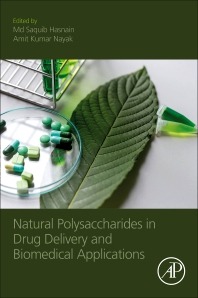
Natural Polysaccharides in Drug Delivery and Biomedical Applications
Provides a fundamental overview of natural polysaccharides, their sources, extraction methodologies, and characterizations. It covers specific natural polysaccharides and their effective application in drug delivery and biomedical use. Additionally, chapters in the book discuss key topics including the sources and extraction methodologies of natural polysaccharides, their role in tissue engineering applications, polysaccharide-based nanoparticles in biomedical applications, and their role in the delivery of anticancer drugs. Written by industry leaders and edited by experts, this book emphasizes recent advances made in the field.Natural Polysaccharides in Drug Delivery and Biomedical Applications provides academics, researchers, and pharmaceutical health care professionals with a comprehensive book on polysaccharides in pharmaceutical delivery process.

Nanotechnology in therapeutics : Basics and trends
Nanotechnology delivers a unique approach, which promises higher drug efficacy, targeted drug delivery, on demand delivery, biocompatibility, etc. For example, nanotechnology-based delivery systems can protect drugs from degradation and help reduce the number of doses required, make treatment a better experience and reduce treatment expenses and a number of nano-based systems allow delivery of insoluble drugs, allowing the use of previously rejected drugs or drugs which are difficult to administer.

Nanotechnology for Oral Drug Delivery : From Concept to Applications
Discusses the current challenges of oral drug delivery, broadly revising the different physicochemical barriers faced by nanotechnolgy-based oral drug delivery systems, and highlighting the challenges of improving intestinal permeability and drug absorption. Oral delivery is the most widely used form of drug administration due to ease of ingestion, cost effectiveness, and versatility, by allowing for the accommodation of different types of drugs, having the highest patient compliance.

Nanotechnology for Microfluidics
The book focuses on microfluidics with applications in nanotechnology. The first part summarizes the recent advances and achievements in the field of microfluidic technology, with emphasize on the the influence of nanotechnology. The second part introduces various applications of microfluidics in nanotechnology, such as drug delivery, tissue engineering and biomedical diagnosis.

Nanotechnology based cosmetics
Explores the applications and advantages of nanotechnology-based cosmetic products compared to conventional formulations. It examines the principles and mechanisms of nanotechnology in enhancing cosmetic product efficacy, delivery, and performance. Key applications covered include nanoparticles for sunscreens, nanoencapsulation for controlled release, nanoemulsions, liposomes for targeted delivery, and antimicrobial nanoparticles. Analyzes case studies from major international cosmetic companies utilizing nanotechnology. It also discusses challenges like safety concerns, potential toxicity, regulations, labeling, consumer awareness, and environmental impact.

Nanotechnology and drug delivery : Principles and applications
Presents an overview of the rapidly developing field of nanotechnology applications in drug delivery systems and covers a variety of technologies and materials that help in achieving vast variation in the particle size needed in technology and drug delivery-based research. It discusses nanotechnology’s use in healthcare for the development of target-specific drug therapy and smart field systems and in the pharmaceutical industry to improve the quality, efficacy, and shelf life of medicines. Bringing together principles, theory, practice, and applications of nanotechnology.

Nanophytomedicine : An emerging platform for drug delivery
Covers recent advances in experimental and theoretical studies on various properties of nanoparticles derived from plant sources. This book assesses the recent advancements and applications of plant-based nanoparticles and also highlights emerging concepts of biomimetics. Contains 24 chapters encompassing various therapeutic applications of phytochemicals derived from plants, ferns, seaweeds, and so on, mediated through nanotechnology and its allied approaches. A fervent attempt has been made to compile every significant advancement in the field of phytonanomedicine so as to accelerate its momentum in the pharmaceutical sector.

Nanopharmaceuticals ; Vol.1 : Expectations and realities of multifunctional drug delivery systems
Reviews advances in the drug delivery field via nanovehicles or nanocarriers that offer benefits like targeted therapy and serves as a single dose magic bullet for multiple drug delivery with improved drug efficiency at a lower dose, transportation of the drug across physiological barriers as well as reduced drug-related toxicity. The chapters are written by a diverse group of international researchers from industry and academia. The series Expectations and Realities of Multifunctional Drug Delivery Systems examines the fabrication, optimization, biological aspects, regulatory and clinical success of wide range of drug delivery carriers. This series reviews multifunctionality and applications of drug delivery systems, industrial trends, regulatory challenges and in vivo success stories. Throughout the volumes discussions on diverse aspects of drug delivery carriers, such as clinical, engineering, and regulatory, facilitate insight sharing across expertise area and form a link for collaborations between industry-academic scientists and clinical researchers. Expectations and Realities of Multifunctional Drug Delivery Systems connects formulation scientists, regulatory experts, engineers, clinical experts and regulatory stake holders. The wide scope of the book ensures it as a valuable reference resource for researchers in both academia and the pharmaceutical industry who want to learn more about drug delivery systems.

Nanopharmaceuticals : Vol.3 : Principles and applications
Focuses on the recent advances of nanopharmaceuticals in cancer, dental, dermal and drug delivery applications and presents their safety, toxicity and therapeutic efficacy. The book also includes the transport phenomenon of nanomaterials and important pathways for drug delivery applications. It goes on to explain the toxicity of nanoparticles to different physiological systems and methods used to assess this for different organ systems using examples of in vivo systems.
