



الصفحة 1
الصفحة 1

Open and Distance Education in Australia, Europe and the Americas : National Perspectives in a Digital Age
This book describes the history, structure and institutions of open and distance education in six countries: Australia, Brazil, Canada, Germany, the UK and the US. It discusses how open and distance education is evolving in a digital age to reflect the needs and circumstances of national higher education systems in these countries, and explores the similarities and differences between the ways in which they are organized and structured. It is the first book to make such comparisons and draw conclusions about the nature of open and distance education in the context of various national higher education systems. In a digital era with growing use of online education as well as open and distance education.

Open and distance education in Asia, Africa and the Middle East : National perspectives in a digital age
This book describes the history, structure and institutions of open and distance education in six countries: China, India, Russia, Turkey, South Africa and South Korea. It describes how open and distance education is evolving in a digital age to reflect the needs and circumstances of the national higher education systems in these countries. It also explores the similarities and differences between how their open and distance higher education systems are managed and structured. The book compare and draw conclusions about the nature of open and distance education in the context of various national higher education systems. In a digital era characterized by the growing use of online, open and distance education, this book will prove particularly valuable for policy-makers and senior administrators who want to learn about establishing or expanding open and distance education services. In addition, it offers a valuable reference guide for researchers, academics and students interested in understanding the different approaches to open and distance education.
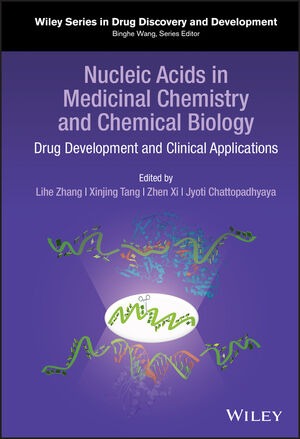
Nuucleic acids in medicinal chemistry and chemical biology : Drug development and clinical applications
Delivers a comprehensive overview of the chemistry and biology of nucleic acids and their therapeutic applications. The book emphasizes the latest research in the field, including new technologies like CRISPR that create novel possibilities to edit mutated genes at the genomic DNA level and to treat inherited diseases and cancers. The authors explore the application of modified nucleosides and nucleotides in medicinal chemistry, a variety of current topics on nucleic acid chemistry and biology, nucleic acid drugs used to treat disease, and more. They also probe new domains of pharmaceutical research, offering the reader a wealth of new drug discovery opportunities emerging in this dynamic field

Nucleic Acids Hybridization : Modern Applications
Several approaches, such as microarray hybridization, have become extremely popular tools for specialists in biochemistry and biomedicine, while the potential of many other advantageous techniques seems to be underestimated. Written by an international team of authors, this book details the current state-of-art in hybridization techniques. Coverage includes experimental protocols along with comprehensive and detailed method descriptions.

Nuclear pre-mRNA Processing in Plants
In recent years nuclear pre-mRNA processing has taken center stage as an important regulator of gene expression and ultimately growth and development. Large-scale genome and cDNA sequencing projects together with bioinformatic analyses of these sequences have revealed that alternative splicing of pre-mRNAs contributes greatly to transcriptome and proteome complexity in eukaryotes. During the last few years, tremendous progress has been made in understanding various aspects of pre-mRNA processing including alternative splicing and its importance in plant growth and development as well as in plant responses to hormones and stresses. This book, with contributions from leading scientists in this area, summarizes recent advances in nuclear pre-mRNA processing in plants. It provides researchers in the field, as well as those in related areas, with an up-to-date and comprehensive, yet concise, overview of the current status and future potential of this research in understanding plant biology.

Nuclear Import and Export in Plants and Animals
Nuclear Import and Export in Plants and Animals provides insight into the remarkable mechanisms of nuclear import and export. This book covers a range of topics from the nuclear pore structure, to nuclear import and export of macromolecules in plant and animal cells. In addition, the book covers the special cases of nuclear import of Agrobacterium T-DNA during plant genetic transformation, nuclear import and export of animal viruses, and nuclear intake of foreign DNA. A chapter on research methods to study nuclear transport concludes the book.

Non-viral Gene Therapy: Gene Design and Delivery
The development of gene medicine based on the concept of molecular therapy has opened new medical horizons. Among the many techniques in gene medicine, gene design and delivery are especially significant in clinical applications. This book presents state-of-the-art information on non-viral gene-delivery techniques, covering a broad spectrum of disciplines that include chemistry, molecular biology, cell biology, and pharmacokinetics

Nonlinear Dynamics of Structures Under Extreme Transient Loads
Covers model building for different engineering structures and provides detailed presentations of extreme loading conditions. A number of illustrations are given quantifying; a plane crash or explosion induced impact loading, the effects of strong earthquake motion, and the impact and long-duration effects of strong stormy winds—along with a relevant framework for using modern computational tools. The book considers the levels of reserve in existing structures, and ways of reducing the negative impact of high-risk situations by employing sounder design procedures.

Neurocutaneous disorders : A clinical, ciagnostic and therapeutic approach
Provides extensive data on the more common and many of the more rare congenital and hereditary syndromes that manifest in the nervous system and skin. Though often complex and multi-systemic, these disorders can frequently be diagnosed using a combination of simple visual inspection and sound clinical expertise. Drawing on fully referenced information from thousands of articles, the international editorial team has prepared a comprehensive overview that includes historical perspectives, clinical features, the pathogenesis, and diagnostic and therapeutic strategies. In addition, it addresses the biochemical, molecular, and genetic basis of the disorders.
Neonatal Immunity
New advances in cellular immunology, molecular biology, recombinant DNA and proteins, and the function of cytokines and chemokines have revolutionized the study of neonatal immune responsiveness. In Neonatal Immunity, Constantin Bona, MD, critically reviews the classic, as well as most recent-and quite seminal-findings concerning the phenotypic and molecular characteristics of both fetal and neonatal B and T cells, the cells that mediate antibody and cellular immune responses in newborns and infants. Dr. Bona shows how the antibody response of neonates is modulated by maternal antibodies and how, in certain cases, this can cause transient or life-threatening neonatal autoimmune disease. He also describes the characteristics of neonatal tolerance induced by foreign allo- and self-antigens, which are the basis for understanding impaired infant immune response and which provide a rationale for the development of efficient neonatal vaccines. By making clear the characteristics and differences between the immune system and the immune responses of both newborns and infants, compared to those of adults, Dr. Bona offers insights and challenging hypotheses that promise to help overcome the poor responses of neonates to various antigens. Authoritative and forward-looking, Neonatal Immunity critically reviews what we know of the neonatal immune response today, and how this is dramatically opening new therapeutic horizons in such areas as infant vaccination, stem cells, gene therapy, and transplantation.

Neanderthals Revisited : New Approaches and Perspectives
This volume presents cutting-edge research by leading scientists re-examining the major debates in Neanderthal research with the use of innovative state-of-the art methods and exciting new theoretical approaches.Topics addressed include the re-evaluation of Neanderthal anatomy, inferred adaptations and habitual activities, developmental patterns, phylogenetic relationships, and the Neanderthal extinction; new methods include computer tomography, 3D geometric morphometrics, ancient DNA and bioenergetics. The diverse contributions offer fresh insights and advances in Neanderthal and modern human origins research.
Natural Products : Drug Discovery and Therapeutic Medicine
Although the natural product drug discovery programs of the large drug companies are now equaled by programs for the high throughput screening of synthetic compounds generated through combinatorial chemistry, natural compounds still hold great promise to overcome such problems as antibiotic resistance, the emergence of new diseases, the failure to conquer old diseases, and the toxicity of some contemporary medical products. In Natural Products: Drug Discovery and Therapeutic Medicine, a panel of recognized experts and leaders in the field discuss the past successes of natural products as medicines and review future possibilities arising from both conventional and new technologies. High-performance liquid chromatography profiling, combinatorial synthesis, genomics, proteomics, DNA shuffling, bioinformatics, and genetic manipulation all now make it possible to rapidly evaluate the activities of extracts as well as purified components derived from microbes, plants, and marine organisms. The authors apply these methods to new natural product drug discovery, to accessing microbial diversity, to investigating specific groups of products (Chinese herbal drugs, antitumor drugs from microbes and plants, terpenoids, and arsenic compounds), and to exploiting specific sources (the sea, rainforest, and endophytes). These new opportunities show how research and development trends in the pharmaceutical industry can advance to include both synthetic compounds and natural products, and how this paradigm shift can be more productive and efficacious.
Nanotechnology : Science and Computation
This book offers a unique and authoritative perspective on current research in nanoscale science, engineering and computing. Leading researchers cover the topics of DNA self-assembly in two-dimensional arrays and three-dimensional structures, molecular motors, DNA word design, molecular electronics, gene assembly, surface layer protein assembly, and membrane computing.

Nanopharmaceuticals : Vol.3 : Principles and applications
Focuses on the recent advances of nanopharmaceuticals in cancer, dental, dermal and drug delivery applications and presents their safety, toxicity and therapeutic efficacy. The book also includes the transport phenomenon of nanomaterials and important pathways for drug delivery applications. It goes on to explain the toxicity of nanoparticles to different physiological systems and methods used to assess this for different organ systems using examples of in vivo systems.

NanoBiotechnology : BioInspired Devices and Materials of the Future
NanoBioTechnology: BioInspired Devices and Materials of the Future is a groundbreaking text that will assist scientists and students in learning the fundamentals and cutting-edge nature of this new and emerging science. Focusing on materials and building blocks for nanotechnology, leading scientists from around the world share their knowledge and expertise in this authoritative volume. The volume is broken into five sections. The first section presents an overview of nanotechnology and describes the many aspects of the field. Section 2 details biological materials serving as nanotemplates for bottom-up fabrication. Section 3 covers the use of biological macromolecules for electron transfer and computation. Section 4 presents a brief overview of the extensive and rapidly growing field of nanomedicine. Finally, Section 5 details de-novo designed structures and the various approaches different scientific groups take with molecular level training and language

Mouse Models of Human Blood Cancers : Basic Research and Pre-clinical Applications
Although it remains an open question among some people whether mice and humans are similar in disease development, the laboratory mouse has emerged as the preeminent animal model for human diseases. This is underscored by the recently completed mouse and human genome projects, which have revealed that mice and humans share the vast majority of their genes, and thus get many of the same diseases, and for the same reasons. Emphasizing why mouse models are valuable in vivo systems for understanding disease mechanisms and developing therapeutic strategies for human blood cancers, "Mouse Models of Human Blood Cancers: Basic Research and Pre-clinical Applications," edited by Shaoguang Li, aims on presenting thorough analyses of the pathological features and the molecular bases of several major types of blood cancer and to describe translational research using mouse cancer models.
Molecular Techniques in the Microbial Ecology of Fermented Foods
Molecular Methods and Microbial Ecology of Fermented Foods presents the latest findings in microbial ecology as determined by the application of molecular methods, reports the most recent advances in the field, and offers details on primers and protocols most suitable for studying specific food ecosystems. It provides analytical details and suggestions useful in research, as well as evaluation of the criticism of using novel approaches in food fermentation microbiology. This book also discusses new insights drawn from the use of bio-molecular techniques in the microbial ecology of fermented foods.
Molecular Pathology in Clinical Practice
This book addresses all areas of molecular pathology clinical practice in a single text, including: molecular biology basics, genetics, infectious diseases, hematopathology, solid tumors, HLA typing, identity testing and laboratory management. This text will provide a comprehensive reference for molecular pathologists as well as the practicing molecular pathologist and trainees.

Molecular Paradigms of Infectious Disease : A Bacterial Perspective
This comprehensive volume, written by leading authors in the field, provides a fundamental understanding of the complex cellular and molecular processes that are important for bacterial virulence and the infectious disease process. Written in a clear and engaging manner, the book highlights key techniques and methodologies that have driven recent discoveries in bacterial pathogenesis, major structures and mechanisms in bacteria that are important for the pathogenesis of these organisms, the regulation of these virulence determinants by global regulators, and bacterial biowarfare agents. Molecular Paradigms of Infectious Disease: A Bacterial Perspective is an ideal book for students, microbiologists, immunologists and scientists and researchers of bacterial pathogenesis.
Molecular Mechanisms of Fanconi Anemia
Molecular Mechanisms of Fanconi Anemia will give research students a platform for further investigation, and act as a source of information regarding experimental design. Clinicians will find this title useful for its comprehensive description of Fanconi Anemia and information on the latest molecular theories underlying its causes.
