



الصفحة 1
الصفحة 1
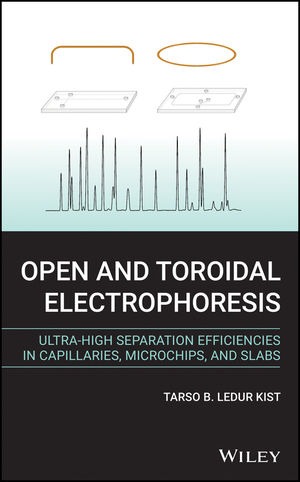
Open and Toroidal Electrophoresis : Ultra-High Separation Efficiencies in Capillaries, Microchips and Slabs
Written by one of the developers of Toroidal Capillary Electrophoresis (TCE), this book is the first to present this novel analytical technique, in detail, to the field of analytical chemistry. The exact expressions of separation efficiency, resolution, peak capacity, and many other performance indicators of the open and toroidal layouts are presented and compared.
Natural Products : Drug Discovery and Therapeutic Medicine
Although the natural product drug discovery programs of the large drug companies are now equaled by programs for the high throughput screening of synthetic compounds generated through combinatorial chemistry, natural compounds still hold great promise to overcome such problems as antibiotic resistance, the emergence of new diseases, the failure to conquer old diseases, and the toxicity of some contemporary medical products. In Natural Products: Drug Discovery and Therapeutic Medicine, a panel of recognized experts and leaders in the field discuss the past successes of natural products as medicines and review future possibilities arising from both conventional and new technologies. High-performance liquid chromatography profiling, combinatorial synthesis, genomics, proteomics, DNA shuffling, bioinformatics, and genetic manipulation all now make it possible to rapidly evaluate the activities of extracts as well as purified components derived from microbes, plants, and marine organisms. The authors apply these methods to new natural product drug discovery, to accessing microbial diversity, to investigating specific groups of products (Chinese herbal drugs, antitumor drugs from microbes and plants, terpenoids, and arsenic compounds), and to exploiting specific sources (the sea, rainforest, and endophytes). These new opportunities show how research and development trends in the pharmaceutical industry can advance to include both synthetic compounds and natural products, and how this paradigm shift can be more productive and efficacious.

Metabolomics : The frontier of systems biology
Metabolism is the sum of the chemical reactions in cells that produce life-sustaining chemical energy and metabolites. In the post-genome era, metabolism has taken on new significance for biological scientists: metabolites are the chemical basis of phenotypes that are final expressions of genomic information. This book covers research on metabolomics, ranging from the development of specialized chemical analytical techniques to the construction of databases and methods for metabolic simulation. The authors have been directly involved in the development of all the subject areas, including capillary electrophoresis, liquid chromatography, mass spectrometry, metabolic databases, and metabolic simulation. Breakthrough achievements and the future of metabolome studies are described, making this book a valuable source for researchers in metabolomics in diverse fields, such as plant, animal, cellular, microbial, pharmaceutical, medical, and genetic sciences.

Integrated Reaction and Separation Operations : Modelling and experimental validation
The book presents the latest developments in simulation of integrated processes as well as new methods of process synthesis and process control. It shows details of experimental approaches for model validation, determining of model parameters and measurement techniques. The combination of sophisticated modelling, optimisation methods and experimental results has not ben published up to now. The book gives deep insights into the overall evaluation of integrated processes as well as development of methods for a systematic design and optimisation of integrated reaction and separation processes. Potentials for process integration and the technical as well as economic limitations have been identified. The book covers several case studies of reactive distillation, reactive extraction, reactive gas-adsorption and chromatographic reactors which have been investigated from the modelling and experimental point of view. Based on validated models process simulation was used to optimize these processes. Following the concept of integrated process design approaches have been developed for model predictive control and process optimisation during production. Another new and very important focus of the book is systematic synthesis of integrated processes.

Fundamentals of analytical toxicology : Clinical and forensic ; 2nd ed.
An integrated introduction to the analysis of drugs, poisons, and other foreign compounds in biological and related specimens. Assuming only basic knowledge of analytical chemistry, this invaluable guide helps trainee analytical toxicologists understand the principles and practical skills involved in detecting, identifying, and measuring a broad range of compounds in various biological samples. Clear, easy-to-read chapters provide detailed information on topics including sample collection and preparation, spectrophotometric and luminescence techniques, liquid and gas-liquid chromatography, and mass spectrometry including hyphenated techniques. Focuses on analytical, statistical, and pharmacokinetic principles / Describes basic methodology, including colour tests and immunoassay and enzyme-based assays / Outlines laboratory operations, such as method validation, quality assessment, staff training, and laboratory accreditation / Follows IUPAC nomenclature for chemical names and recommended International Non-proprietary Name (rINN) for drugs and pesticides / Includes discussion of 'designer drugs' (novel pharmaceutical substances NPS)

Flavours and Fragrances : Chemistry, Bioprocessing and Sustainability
This book is an introduction to the fascinating world of aroma chemicals, essential oils, fragrances and flavour compositions for the food, cosmetics and pharmaceutical industry. The present state-of-the-art technology, the future use of resources and biotechnological approaches for the production of the respective chemical compounds are described. A large section is devoted to the description of the renewable resources of flavours: spice plants, fruits from moderate to tropical climates, vegetables, fermented and heated plants. Analytical methods, such as gas chromatography coupled to human or electronic noses or to a mass spectrometer, are outlined and consumer trends, legal and safety aspects are described. Novel renewable resources come from biotechnology.

Essentials of pharmaceutical analysis
Provides detailed information on the background, basic principles, and components of techniques used for the analysis of pharmaceuticals and biopharmaceuticals. Focusing on those analytical techniques that are most frequently used for pharmaceuticals, it classifies them into three major sections and 19 chapters, each of which discusses a respective technique in detail. Chiefly intended for graduate students in the pharmaceutical sciences, the book will familiarize them with the components, working principles and practical applications of these indispensable analytical techniques.

Clinical applications of mass spectrometry in drug analysis : Methods and protocols
This fully updated volume describes methods and protocols for a number of drugs and toxins in a stepwise manner. Exploring the versatility and flexibility of mass spectrometry, the book covers the advantages of this technology, which typically include elimination of the need for special reagents such as antibodies, increased sensitivity and specificity, and multi-component analysis enabling the screening of tens to hundreds of compounds in a single assay run. Written for the highly successful Methods in Molecular Biology series, chapters include introductions to their respective topics, lists of the necessary materials and reagents, step-by-step and readily reproducible laboratory protocols, as well as tips on troubleshooting and avoiding known pitfalls.
Chromatography for Sustainable Polymeric Materials : Renewable, Degradable and Recyclable
This volume is a valuable contribution to sustainability research. … This interesting, well-written book provides the reader with an excellent resource on how to effectively use simple chromatographic techniques to aid in determining processing conditions, additive formulations, quality control, service life, degradation pathways, and more.
Cell Separation : Fundamentals, Analytical and Preparative Methods
This special volume on cell separations discusses fundamental and applied aspects of the analytical and preparative cell-separation technologies. The aim is to enlighten the reader with the new developments in cell-separation technologies and at the same time provide sufficient knowledge with other existing and more commonly used techniques. The volume is comprised of contributions from subject experts from both academia and industry, focuses on the research and commercial aspects of cell-separation technology, and provides readers with broader choice. Unlike protein separation, the major challenge in cell separation has been the recovery of the cells in viable form after they are bound to the separation matrix, as cells bind more strongly through multipoint attachment. This is an important focus of the present work and one we believe will provide new insight to researchers in this field
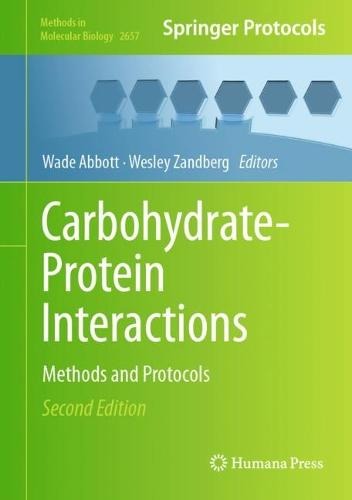
Carbohydrate-protein interactions : Methods and protocols
Provides new and updated tools for studying protein-carbohydrate interactions ranging from traditional biochemical methods to state-of-the-art techniques. This book focuses on four different research themes detailing methods for screening and quantifying CAZyme activity, investigating the interactions between proteins, carbohydrate ligands, methods for the visualization of carbohydrates, protein-carbohydrate complexes, structural and “omic” approaches for studying systems of CAZymes.
Cancer cell biology : methods and protocols
Provides detailed methods on the mechanisms of underlying cancer cell biology. Chapters guide readers through techniques for culturing cancer cell lines, xenografts, cryopreservation of tumor cells, analyzing the co-culture of breast cancer cells, protein secretion by ELISA, flow cytometry-based, multi-parametric immunofluorescence analysis, protein expression by western blot, analysis of surface protein levels, protein recycling by biotinylation assay, and proteomics analysis by liquid chromatography-mass spectrometry.
Bioactive Marine Natural Products
Bioactive Marine Natural Products is the first book available that covers all aspects of bioactive marine natural products. It fills the void in the literature for bioactive marine natural products. The book covers various aspects of marine natural products and it is hoped that all the major classes of bioactive compounds are included. Different classes of marine organisms and the separation and isolation techniques are discussed. The chemistry and biology of marine toxins, peptides, alkaloids, nucleosides and prostanoids are discussed in detail. Biological, toxicological and clinical evaluations are also dealt with to ensure that the book may be adopted at any stage by any practicing organic chemist or biologist, working in academia or in R&D divisions of pharmaceutical companies. Each chapter in the book includes an abstract to highlight the major points discussed in the text and concluding remarks are given. References to books, monographs, review articles and original papers are provided at the end of each chapter.
Basic methods for the biochemical lab
Covers : quantitative methods (proteins, nucleic acids, phospholipids and carbohydrates), electrophoresis (several polyacrylamide and agarose systems, 2D-PAGE, detection methods and affinity electrophoresis), chromatographic protocols (thin-layer chromatography, GPC, IEC, affinity chromatography, HPLC), immunochemical protocols (hapten-carrier and enzyme conjugation, immunization and antibody purification, immune affinity chromatography, ELISA), centrifugation (differential and density gradient centrifugation for cells and cellular fractions), radioactivity (labeling and counting), buffers (buffer properties and compositions).
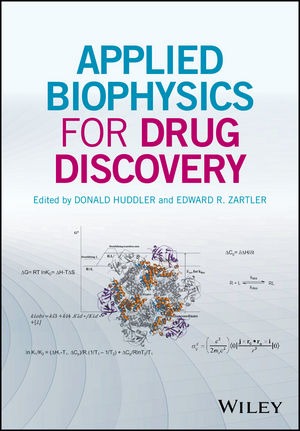
Applied biophysics for drug discovery
It is a guide to new techniques and approaches to identifying and characterizing small molecules in early drug discovery. Biophysical methods are reasserting their utility in drug discovery and through a combination of the rise of fragment-based drug discovery and an increased focus on more nuanced characterisation of small molecule binding, these methods are playing an increasing role in discovery campaigns.
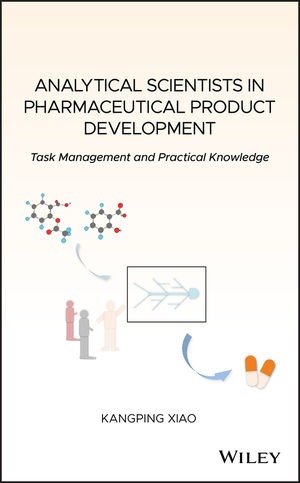
Analytical scientists in pharmaceutical product development : Task management and practical knowledge
Explains task management concepts and outlines practical knowledge to help pharmaceutical analytical scientists become productive and enhance their career. •Presents broad topics such as product development process, regulatory requirement, task and project management, innovation mindset, molecular recognition, separation science, degradation chemistry, and statistics. •Provokes thinking through figures, tables, and case studies to help understand how the various functions integrate and how analytical development can work efficiently and effectively by applying science and creativity in their work. •Discusses how to efficiently develop a fit-for-purpose HPLC method without screening dozens of columns, gradients, or mobile phase combinations each time, since the extra effort may not provide enough of a benefit to justify the cost and time in a fast-paced product development environment.
