



الصفحة 3
الصفحة 3

Membrane Trafficking in Viral Replication
The ability of viruses to exploit cellular functions for their own ends makes them highly effective pathogens and exquisite experimental tools. Work with viruses underpins much of our current understanding of molecular cell biology and related fields. Each of the eight chapters in this volume deals with a specific aspect of viral interactions with cellular membranes. These include chapters on viral entry, viral membrane fusion, viral membrane protein synthesis and transport, viral replication, viral interactions with cytoskeletal systems and the nucleus, the trafficking of viral membrane proteins and viral perturbation of host cell protein trafficking. These chapters should provide both an overview of cellular membrane trafficking mechanisms and viral interactions with these systems, as well as reviews of the current state of each of the fields.

Introduction to food chemistry
Bridges this gap in the relevant literature, as it employs the latest pedagogical theories in textbook writing to present the subject to students with broad range of cognitive skills. This book presents specific learning objectives for each chapter and is self-contained so students will not need to search for essential information outside the textbook. This new edition has been expanded to include chapters on sweeteners, glass transition, amino acids, proteins for major food commodities and food additives. All of the original chapters have been updated and expanded to include new research and technologies.

Introduction to biologic and biosimilar product development and analysis
Gives a concise introduction to development and analysis of pharmaceutical biologics for those in the pharmaceutical industry who are switching focus from small molecules to biologics processing, analysis, and delivery. In order to maintain a limited focus, Introduction to Biologic and Biosimilar Product Development and Analysis, will deal only with peptides, proteins and monoclonal antibodies.

Integrated Molecular and Cellular Biophysics
Biophysics represents perhaps one of the best examples of interdisciplinary research areas, where concepts and methods from disciplines such as physics, biology, b- chemistry, colloid chemistry, and physiology are integrated. It is by no means a new ?eld of study and has actually been around, initially as quantitative physiology and partly as colloid science, for over a hundred years. For a long time, biophysics has been taught and practiced as a research discipline mostly in medical schools and life sciences departments, and excellent biophysics textbooks have been published that are targeted at a biologically literate audience. With a few exceptions, it is only relatively recently that biophysics has started to be recognized as a physical science and integrated into physics departments’ curr- ula, sometimes under the new name of biological physics.

Insights into Receptor Function and New Drug Development Targets
G-Protein Coupled receptors (GPCRs) and other receptors are significant targets for drug discovery, due to their roles in fundamental physiological processes. Among these roles are: regulation of growth, food intake, reproduction, water balance, sensory perception, blood pressure and heart rate. GPCR-directed drugs account for approximately $40 billion in sales and, of drugs at market, approximately 70% target GPCR function. The availability of combinatorial chemistry coupled with high throughput screening techniques have facilitated discovery of peptidic and non-peptidic ligands of membrane receptors. Mutant receptor models have revealed their role in health and disease and provided insight to new therapeutic approaches, based on control of protein trafficking. Understanding receptor-receptor interactions has provided one mechanism for receptor cross-talk and revealed unexpected interactions.

Innate Immunity of Plants, Animals, and Humans
This book wants to give an overview of our current knowledge about the innate immune system of plants, animals and humans. It not only covers the innate immune mechanisms and responses of so diverse organisms such as plants, Cnidaria, Drosophila, urochordates and zebrafish, but also the major receptor systems in mammalians and humans as well as the central defense mechanisms, antimicrobial peptides and the complement system.

Innate and Adaptive Immunity in the Tumor Microenvironment
Recent studies, indicate that the tumor microenvironment is unique in providing both supportive and inhibitory factors that determine the fate of the tumor and its host. Accordingly, microenvironmental immunity that operates inside and around a tumor plays a crucial role in cancer development and progression. The aim of the present volume is to compile reviews on innate and adaptive immune responses at the tumor microenvironment with emphasis on positive and negative outcomes that affect the progression of the disease. These reviews have been solicited from experts in the field who published original research studies focusing on these issues.

Inhibitory Regulation of Excitatory Neurotransmission
This book reviews aspects of GABAA receptor function, as well as the properties of a variety of other important inhibitory proteins, such as GABAC receptors, G-protein coupled receptors (specifically, GABAB receptors, metabotropic glutamate receptors and neuropeptide receptors), glycine receptors, GABA transporters and potassium channels. In addition, the consequences of mutations that disrupt the regulation of excitatory neurotransmission, and efforts to target the GABAergic system for therapeutic benefit, are discussed.

Inherited inborn errors in amino acids metabolism
Proteins are the most abundant organic molecules in animals, playing important roles in all aspects of cell structure and function. Proteins are biopolymers of acids, so named because the amino group is bonded to the carbon atom, next to the carbonyl group.

Inflammation and natural products ; 1st ed.
Brings together research in the area of the natural products and their anti-inflammatory action in medical, nutraceutical and food products, addressing specific chronic inflammatory diseases like cancer and the mechanistic aspects of the mode of action of some key natural products. Inflammation is a complicated process, driven by infection or injury or genetic changes, which results in triggering signalling cascades, activation of transcription factors, gene expression, increased levels of inflammatory enzymes, and release of various oxidants and pro-inflammatory molecules in inflammatory cells. Excessive oxidants and inflammatory mediators have a harmful effect on normal tissue, including toxicity, loss of barrier function, abnormal cell proliferation, inhibiting normal function of tissues and organs and finally leading to systemic disorders. The emerging development of natural product formulations utilizing the unique anti-inflammatory compounds such as polyphenols, polysaccharides, terpenes, fatty acids, proteins and several other bioactive components has shown notable successes.

Inflammation and cancer : Methods and protocols
Discusses the latest findings on the development and characterization of representative research models for chronic immune-based diseases and inflammation-associated cancers.And covers biochemical, molecular, and cellular biological techniques that are commonly used to dissect the molecular mechanisms and cellular processes that drive the pathogenesis of certain disease states.

Induced Plant Resistance to Herbivory
This book provides a thorough overview of the anatomical, chemical, and developmental features contributing to plant defense, with particular emphasis on plant responses that are induced by wounding or herbivore attack. Written by leading experts.

Human Cytomegalovirus
The golden age of cytomegalovirus research was ushered in during the late 1970s and early 1980s by a set of powerful new technologies that included restriction enzymes, DNA cloning, DNA sequencing, and open reading frame prediction. The genetic manipulation and propagation of novel CMV strains was accelerated with the app- cation of bacterial artificial chromosome technology. Today, we still struggle to understand the full spectrum of disease associated with human CMV. To the molecular biologist, CMV is a master of regulation in the eukaryotic cell where it either replicates or remains latent. To the immunologist, CMV is a master of immune evasion with tools to escape both the innate and acquired immune responses. The use of animal models with non-human CMVs has become significantly more sophisticated and tied to a more certain understanding of the interrelationships of non-human and human CMV genes.

Human and Animal Relationships
Pathogenic fungi are widely distributed and can infect many organisms, particularly humans, but also other vertebrates and insects. Due to a growing number of fungal infections, there is an increasing need to understand the interaction of pathogenic fungi with their hosts. This second completely updated and revised edition of Volume VI of The Mycota consists of state of the art reviews written by experts in the field, covering three major areas of this rapidly developing field. In the first part the current understanding of pathogenic fungi and the physiological reactions relevant for the pathogen - host interaction are elucidated. The second part describes novel technologies for the identification of proteins, virulence factors and mechanisms central to the host - pathogen interaction. The third part deals with the characterization of the host response towards pathogenic fungi and addresses timely clinical aspects.

Hormones and the brain
Peripheral hormones have a major impact on the brain: they are able to interfere with its development, to affect release of neurotransmitters and concentrations of receptors, to trigger growth factors involved in lesion repair. These multiple actions account for their capacity to modulate a number of physiological parameters, from reproductive functions to memory, behaviour and aging. Depending upon intensity and duration of exposure, they can be either neuroprotective or neurotoxic, for instance by affecting production of free radicals. This book, based on contributions of pioneer investigators in the field, outlines the ambiguous actions of gonadal steroids (estradiol, progesterone, testosterone, inhibin and activin) and of neurosteroids, related moieties produced in the brain itself. After summarizing their multiple mechanisms of action, which involve both direct effects on neuronal membranes and activation of genes coding for specific proteins in neurons or glial cells, the book outlines the role of hormones in pathogenic processes such as mental disturbances or neurodegenerative diseases.

Homing Endonucleases and Inteins
This book provides detailed summary of the genetics, structure, function, mechanisms of action, evolution and engineering of homing endonucleases and inteins. These two unique protein superfamilies have generated considerable excitement for their fundamental, structural, and functional properties, their evolution as parasitic elements, and their widespread applications as gene targeting agents and as instruments for the generation of modified proteins and novel protein combinations.
High dilution effects : Physical and biochemical basis
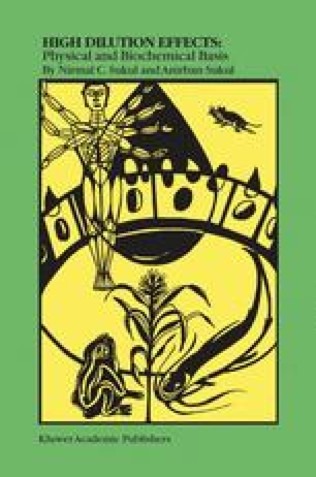
this volume provides evidence in support of effects from control clinical studies, and in vitro tests without any organisms (Chapter II). An overview of the methods for preparing drugs at ultra high dilution is also provided as well as the basic principles of homeopathy, (Chapter I). Chapter III provides physical basis of high dilutions as evidence from the NMR, IR, UV and fluorescence spectra of those drugs.Chapter IV focuses on the mechanism of action of potentized drugs in the living system, discussing the structure of the cell, the plasma membrane, the integral proteins on the membrane, the interaction between these proteins and high dilutions and the manifestations of the therapeutic effects of high dilutions.

High Density Lipoproteins : From Biological Understanding to Clinical Exploitation
In this Handbook of Experimental Pharmacology on “High Density Lipoproteins – from biological understanding to clinical exploitation” contributing authors (members of COST Action BM0904/HDLnet) summarize in more than 20 chapters our current knowledge on the structure, function, metabolism and regulation of HDL in health and several diseases as well as the status of past and ongoing attempts of therapeutic exploitation.

Hepatitis Delta Virus ; Vol. 307
Since its discovery nearly 30 years ago, hepatitis delta virus (HDV) has continued to surprise and fascinate. At 1,680 nucleotides the HDV genome is the smallest known to infect man. It is unique among animal viruses, the closest known relatives being plant viroids. To compensate for its limited protein coding capacity, HDV relies heavily on host functions and on structural features of its circular RNA genome. HDV infection depends on hepatitis B virus as a helper, and increases the severity of liver disease caused by HBV alone. There is currently neither an effective HDV vaccine nor a generally accepted useful therapy for HDV infection. This volume encompasses recent developments in HDV research, from molecular virology to genetics to experimental investigation of new therapeutic and vaccine candidates.
Hepatitis C Virus Disease
Emphasizes the most recent advances on the Hepatitis C virus infection (HCV) moving from basic research to clinical application. In spite of the numerous studies on HCV infection, its pathogenesis and medical treatment have not been fully explained. The first chapters of this volume analyize the full spectrum of immune responses to HCV taking into account either innate or adoptive immunity involvement. The volume also includes a series of contributions which explain the state of art of IFN-alpha treatment in HCV patients and the effectiveness of therapy also in relation to HCV genotypes. The use and applications of pegylated IFNs will also be discussed as well as the complicated HCV disease and its treatment. Hepatitis C Virus Disease: Immunobiology and Clinical Applications is an ideal volume for researchers, scientists, professionals, clinicians, physicians and graduate students in the fields of infectious disease, immunology, virology, microbiology, pharmacology and medicine.
